 28°C
28°C

Dominican Housing Sector Calls for Review of Solid Waste Law Amendments
Leading organizations representing the Dominican Republic's homebuilding industry are urging the Chamber of Deputies to reconsider proposed amendments to the country's Solid Waste Management Law, arguing the changes could increase housing costs and create legal uncertainty for real estate projects.


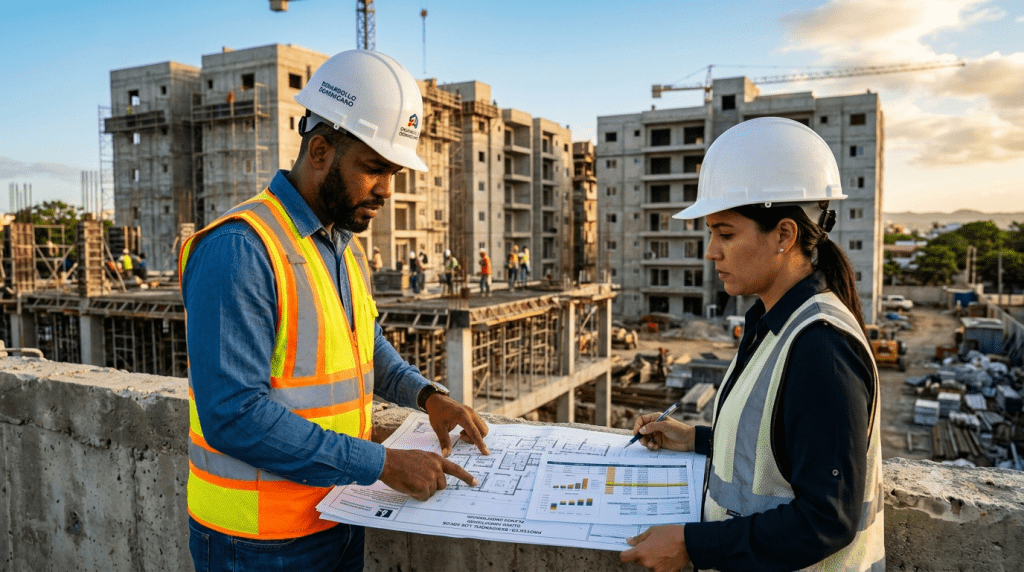
Major associations representing the Dominican Republic’s housing construction sector have expressed concern over amendments to Law No. 225-20 on the Comprehensive Management and Co-processing of Solid Waste, warning that the proposed changes could have significant financial consequences for residential development.
The organizations also criticized the Senate’s approval of the bill under an expedited legislative procedure, arguing that the proposal advanced without sufficient technical discussion or consultation with affected sectors.
Industry Warns of Double Taxation
According to the construction groups, one of the main concerns is that the proposed legislation would impose new tax obligations on autonomous patrimonies (trust structures), commonly used to finance and develop real estate projects in the Dominican Republic.
The associations argue that these entities already bear existing tax obligations and that the amendments could result in double taxation by applying additional charges to the same economic activity. They contend that the added costs would ultimately be reflected in higher home prices for buyers.
Industry representatives also maintain that the proposal conflicts with the special legal framework established under Law No. 189-11, which was enacted to encourage access to housing and support the development of the country’s mortgage market.
Support for Environmental Goals, but Concerns Over Economic Impact
Despite their objections to the proposed amendments, the organizations reiterated their support for strengthening the country’s solid waste management system and promoting environmentally responsible practices.
However, they argued that environmental policies should also uphold the principles of proportionality, legal certainty, and economic sustainability, avoiding unintended consequences for sectors considered essential to national development, including housing construction.
Call for Dialogue in the Chamber of Deputies
The associations called on the Chamber of Deputies to open a dialogue with stakeholders before moving forward with the legislation. They urged lawmakers to reassess the scope of the proposal and ensure that any final version is supported by technical analysis and balances environmental objectives with legal certainty, investment incentives, and access to affordable housing.
The appeal comes as the proposed amendments continue through the legislative process, where the Chamber of Deputies will determine whether to approve, modify, or reject the Senate’s version of the bill.