 25°C
25°C

Dominican Gastronomy: Discover the Flavors That Define the Caribbean Nation
Dominican gastronomy is a diverse Caribbean cuisine shaped by Indigenous Taíno traditions, Spanish colonial influences, African heritage, later migration and the agricultural products of the island. For visitors, understanding the food means going beyond resort buffets: rice and beans, plantains, cassava, stewed meats, seafood, tropical fruit, coffee, cocoa and distinctive sweets form a culinary landscape that changes from the capital to the coast and from the Cibao Valley to the southern and eastern regions. The Dominican Republic’s official tourism authorities identify dishes such as mangú, la bandera, sancocho, mofongo, fried fish, goat and cassava bread among the foods visitors should experience.


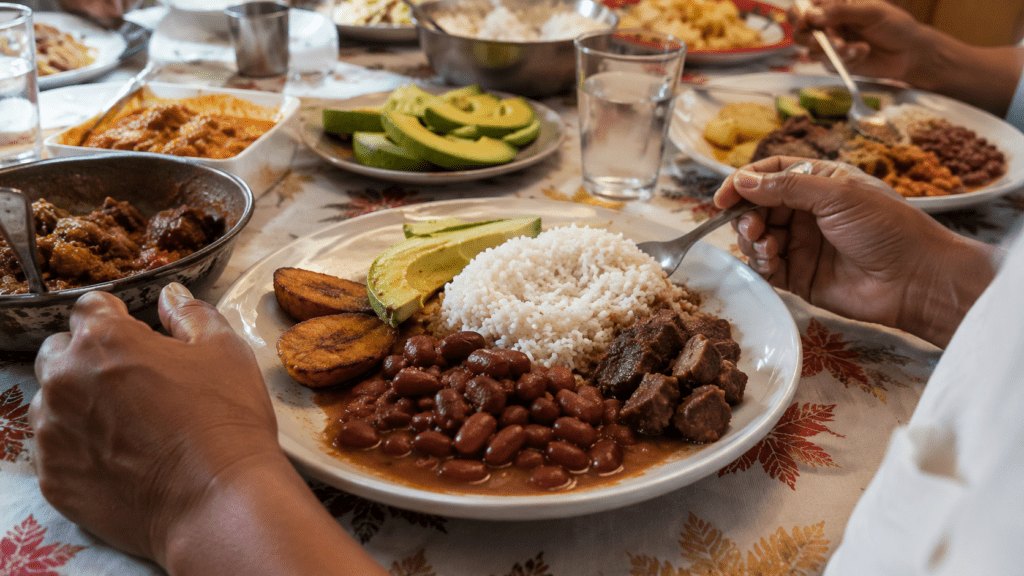
For many international visitors, Dominican food first appears deceptively familiar. Rice, beans, chicken, pork, seafood, fried plantains and tropical fruit are common across the Caribbean and Latin America. Yet the way these ingredients are seasoned, combined and served gives Dominican gastronomy its own character. A meal can be as simple as mashed green plantains with eggs and fried cheese, or as elaborate as a large pot of sancocho prepared for a family gathering.
Dominican cuisine is also inseparable from the country’s history. Indigenous Taíno foodways contributed crops and techniques that remain visible in ingredients such as cassava. Spanish colonization introduced new crops, livestock and culinary practices, while the forced migration of Africans profoundly influenced the foods and techniques that developed in the Caribbean. Later migrations added further layers to the country’s culinary culture. The result is not a single standardized cuisine but a living tradition that varies according to region, family, occasion and available ingredients.
What Is Dominican Gastronomy?
Dominican gastronomy is the collection of culinary traditions, ingredients, cooking methods and food customs that have developed in the Dominican Republic. Its foundation is strongly associated with rice, beans, plantains, cassava and other root crops, meats, seafood, tropical fruits and aromatic seasonings. The country’s official tourism authority describes Dominican cuisine as a product of the mixture of Taíno, African and Spanish cultures, together with other influences that arrived throughout the country’s history.
The cuisine is particularly recognizable for its reliance on stewed and seasoned foods, fried plantains, mashed root vegetables, rice dishes and combinations designed to be eaten together rather than as isolated components. Sofrito-style seasoning bases, garlic, onions, herbs, peppers and other aromatics are important to many preparations, although recipes differ substantially between households and regions.
For a foreign visitor, one of the most useful things to understand is that Dominican food is generally not defined by extreme heat. A dish can be deeply seasoned without being particularly spicy. The emphasis is often on aroma, savory depth, herbs, garlic, onions, slow cooking and the natural flavor of the main ingredients.
The Historical Roots of Dominican Cuisine
Food in the Dominican Republic reflects centuries of cultural contact. Before European colonization, Taíno communities cultivated and consumed crops including cassava and developed food-processing techniques that remain important to Dominican culinary culture. Cassava bread, known as casabe, is one of the clearest surviving examples. The Dominican government describes casabe as a Taíno heritage that has remained part of the country’s food traditions.
The Spanish colonial period brought livestock, agricultural products and European cooking practices that changed the island’s food system. Pork, cattle, chickens and other ingredients became increasingly important, while Spanish techniques for stewing, roasting and seasoning were adapted to local conditions.
African influence is equally important to understanding the cuisine. The Dominican government’s cultural material identifies mangú as an African heritage that became a defining Dominican breakfast dish. Plantain-based foods and techniques associated with mashed and pounded starchy ingredients are part of a broader Caribbean culinary history shaped by African traditions.
The resulting cuisine should therefore not be understood as the product of a single ancestral tradition. Dominican food developed through cultural interaction, adaptation and the everyday cooking of communities over generations. That history is visible not only in famous dishes but also in the ingredients and techniques used in ordinary homes.
The Ingredients That Define Dominican Food
Although Dominican cuisine is diverse, several ingredients appear repeatedly enough to provide a useful framework for visitors. Learning these ingredients makes restaurant menus easier to understand and helps explain why apparently simple dishes can be so characteristic of the country.
Rice
Rice is one of the central foods of Dominican cooking. It is commonly served alongside beans and a meat or vegetable preparation, but it also appears in dishes such as locrio, a seasoned rice preparation cooked with meat or other ingredients. Rice is not merely a side dish; in many Dominican meals it provides the base around which the rest of the plate is organized.
Beans and Habichuelas
Beans are another fundamental component. The familiar combination of rice and stewed beans forms the heart of what Dominicans call la bandera dominicana, or the Dominican Flag. The official tourism authority describes the typical midday meal as rice, red kidney beans, a meat stew and tostones.
Visitors may encounter red, black or other varieties of beans depending on the dish and region. In everyday Dominican cooking, beans can be served separately from the rice or prepared in a way that allows the sauce to mingle with it.
Plantains
Plantains are among the most recognizable ingredients in Dominican food. Green plantains can be boiled and mashed for mangú, sliced and fried for tostones, or incorporated into other dishes. Ripe plantains can also be fried, producing a sweeter preparation known as maduros.
The distinction between green and ripe plantains matters. Green plantains are starchy and savory, while ripe plantains develop considerably more sweetness. A visitor ordering plantains should therefore expect very different flavors depending on how mature the fruit is and how it has been prepared.
Cassava and Other Root Crops
Cassava, or yuca, has deep historical roots in the Caribbean and remains important in Dominican cooking. It can be boiled, fried or processed into casabe. Other starchy crops, including yams and different tubers, also appear in traditional dishes and stews.
Pork, Chicken, Beef and Goat
Meat is prominent in many Dominican meals. Chicken and pork are particularly common, while beef and goat feature in specific dishes and regional traditions. Goat, or chivo, is especially associated with the northwestern region and is often prepared as a slow-cooked stew.
The Dominican government specifically highlights chivo liniero, associated with the northwest, as an important traditional preparation.
Seafood
The country’s long coastline naturally contributes seafood to the national food culture. Fish, octopus, crab, conch and other marine ingredients can be found in coastal communities and restaurants. Coconut milk is particularly associated with some seafood preparations, adding richness and a distinctly Caribbean flavor.
Tropical Fruit
Mango, pineapple, papaya, guava, passion fruit, citrus and other tropical fruits are widely used in juices, desserts and blended drinks. The official tourism authority lists passion fruit, guava, pineapple, orange, strawberry, mango, mandarin and papaya among the fruits commonly used in Dominican batidas, or fruit shakes.
The Essential Dominican Dishes Every Visitor Should Know
Trying Dominican food becomes much easier once visitors recognize a handful of foundational dishes. These preparations are widely associated with Dominican food culture, although recipes and presentation vary from one cook or restaurant to another.
Mangú
Mangú is made from boiled green plantains that are mashed until soft. It is particularly associated with breakfast and is commonly served with eggs, fried cheese and fried salami. The combination is often known as Los Tres Golpes when the three customary accompaniments are included.
The texture is important. Mangú is soft and dense rather than crisp, and it is normally eaten together with its accompaniments. Pickled onions are also frequently served on top or alongside it, adding acidity that balances the starch and richness of the rest of the meal.
The Dominican government identifies mangú as a dish of African heritage and as a particularly characteristic breakfast food.
La Bandera Dominicana
La bandera is perhaps the most useful dish for a visitor who wants to understand an everyday Dominican lunch. It traditionally combines white rice, stewed beans and a meat preparation, with plantains or another side often accompanying the plate. The official tourism authority describes rice, red kidney beans, meat stew and tostones as a typical midday combination.
There is no single universal recipe. Chicken, beef or pork may be used, and the bean preparation can vary. What matters is the structure of the meal: rice, beans, protein and sides are brought together into a substantial plate designed for everyday eating.
Sancocho
Sancocho is one of the country’s most emblematic stews. It is a substantial soup or stew made with combinations of meats, root vegetables, plantains and seasonings. Different versions exist, and the exact ingredients depend on the recipe.
The Dominican government’s cultural series describes sancocho as having roots reaching back to the colonial period and emphasizes its importance to Dominican identity.
Visitors may hear references to a seven-meat sancocho, although not every preparation follows exactly the same recipe. The dish is strongly associated with gatherings and occasions when cooking a large pot makes sense. Because it is rich and filling, it is generally more appropriate for a substantial meal than a light lunch.
Mofongo
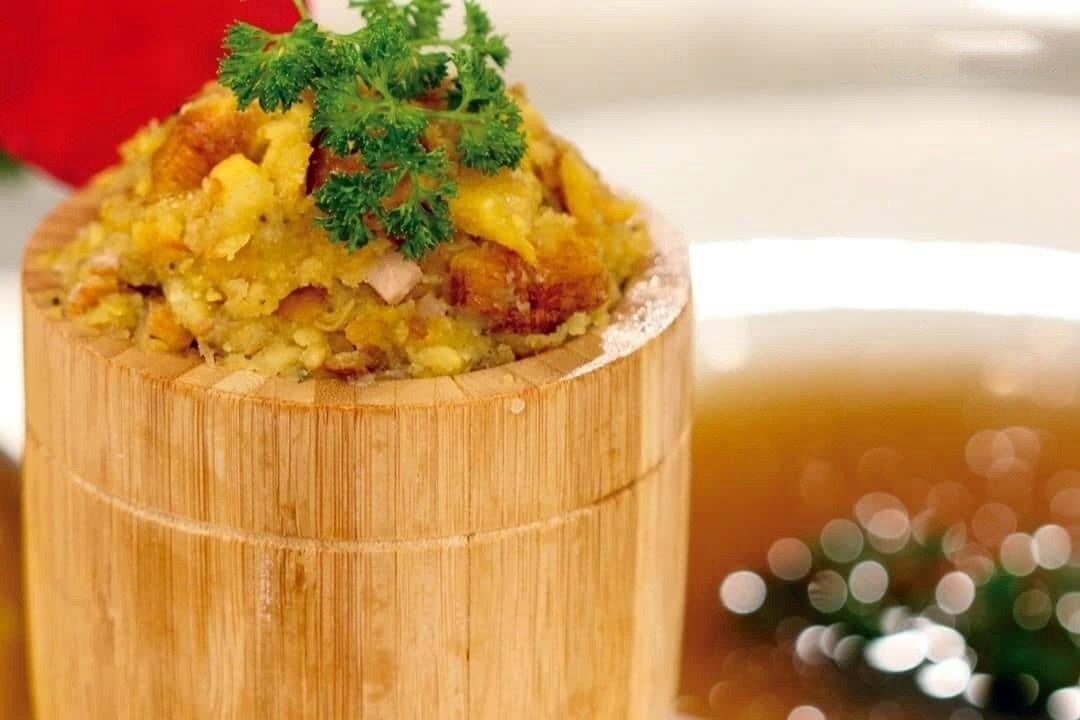
Mofongo consists primarily of fried green plantain that is mashed with garlic and traditionally combined with pork cracklings. It may be shaped into a mound and served with meat, seafood or broth.
The Dominican tourism authority describes mofongo as a dish with African roots and notes that Dominican versions can include plantain, cassava and other ingredients, with fillings or accompaniments ranging from pork to seafood.
For visitors, mofongo is useful as an introduction to the versatility of plantains. The same basic ingredient that becomes soft and creamy in mangú becomes dense, garlicky and textured when fried and mashed for mofongo.
Tostones
Tostones are green plantain slices that are fried, flattened and fried again. They are crisp on the outside and starchy inside, and are commonly served as a side dish with meat, seafood or other savory foods.
They are particularly common at beachside restaurants and casual establishments. A simple serving of fried fish with tostones is one of the easiest ways for a visitor to experience the combination of seafood and plantain that is characteristic of Caribbean cooking.
Locrio
Locrio is a seasoned rice dish cooked with ingredients such as chicken or other meats. It can look familiar to visitors who know dishes such as Spanish rice or other Caribbean rice preparations, but Dominican seasoning and cooking methods give it a distinct local identity.
It is an important reminder that Dominican rice dishes are not limited to the classic combination of plain white rice and beans.
Chicharrón
Chicharrón refers to crisp fried pork, particularly pork skin and fatty portions. It is associated with casual eating and can be served with plantains, cassava, rice or other sides.
The texture is central to the dish. Visitors accustomed to leaner cuts of meat should expect something considerably richer and more intensely savory.
Chivo
Goat is an important regional specialty, particularly in the northwestern Dominican Republic. It is commonly stewed slowly with seasoning until tender and can be served with rice, cassava or other starches.
The country’s official cultural material specifically highlights chivo liniero as a traditional specialty.
Fried Fish and Coastal Seafood
Along the coast, fresh fish prepared simply can offer a very different experience from the heavier dishes associated with inland cooking. Fried fish with tostones is a familiar combination, while restaurants may also serve seafood with coconut-based sauces or stewed preparations.
The Dominican tourism authority specifically recommends fried fish and identifies it as a common coastal dish served with crisp green plantains.
Dominican Breakfast: More Than Coffee and Pastries
Breakfast in the Dominican Republic can be substantial. Mangú with eggs, fried cheese and fried salami is one of the country’s best-known breakfast combinations, and the official tourism authority identifies it as a traditional morning meal.
Visitors staying in hotels may encounter both international breakfast options and Dominican preparations. Outside the resort environment, a local breakfast can be an important introduction to the country’s food culture because it demonstrates how plantains, eggs, cheese and meat are combined in a single meal.
Another feature worth noticing is the use of fried cheese. Dominican fried cheese has a firm enough texture to withstand cooking and is often browned until crisp on the exterior. It provides a salty contrast to softer foods such as mangú.
Lunch and the Importance of the Daily Meal
For many visitors, lunch is the best opportunity to understand everyday Dominican cooking. A typical Dominican lunch is not necessarily built around a single spectacular dish. Instead, several components are combined: rice, beans, meat, plantains, salad, avocado or another side.
This approach explains why la bandera is so important. It represents a pattern of eating rather than simply one recipe. Rice supplies the principal starch, beans add flavor and texture, meat provides protein and seasoning, and side dishes bring freshness or additional texture.
Visitors should therefore resist the temptation to judge Dominican food only by individual dishes. The cuisine is also about how several foods interact on the same plate.
Dinner, Stews and Foods for Sharing
Evening meals can range from simple sandwiches or fried foods to substantial stews and seafood. Sancocho is especially associated with communal meals and gatherings, while fish and seafood are particularly natural choices in coastal destinations.

Dominican food culture also places considerable importance on eating together. The country’s official cultural material connects gastronomy with shared sweets, family dinners and gatherings among friends, while the tourism authority notes the importance of cooking and sharing food during family celebrations and holidays.
Dominican Desserts and Sweet Foods
Dominican desserts deserve separate attention because they demonstrate how beans, milk, coconut, tropical fruit and sugar can be transformed into completely different preparations.
Habichuelas con Dulce
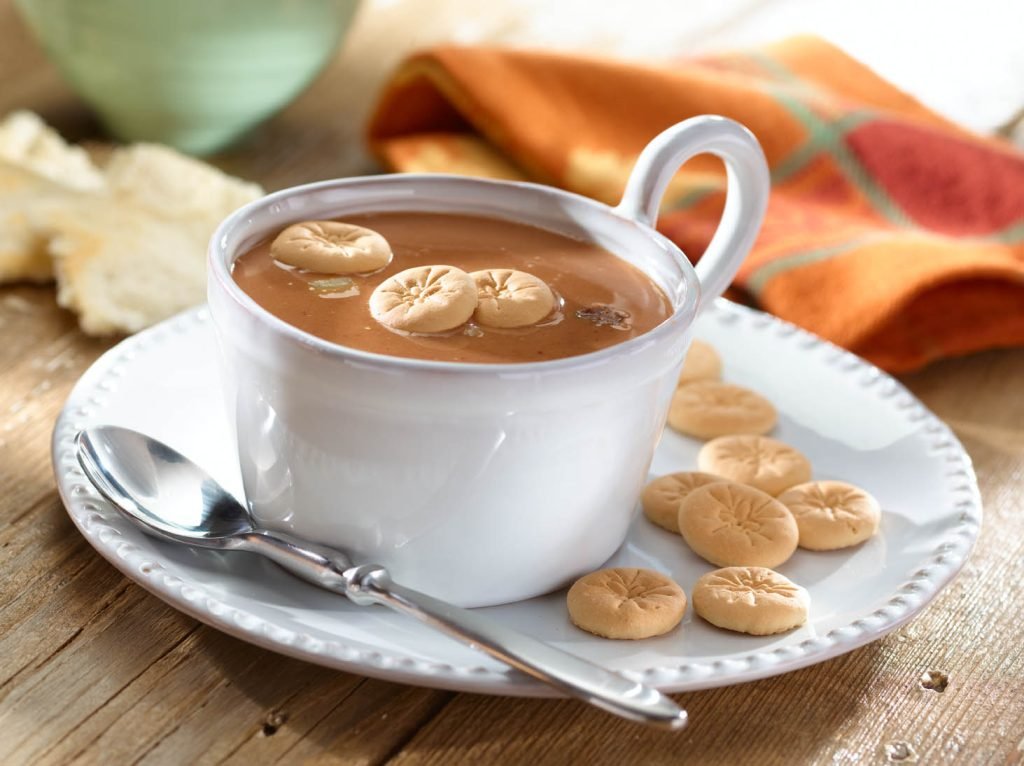
Habichuelas con dulce is one of the country’s most distinctive desserts. It is a sweet preparation made with beans and commonly enriched with ingredients such as milk, coconut milk, spices and sugar. It is strongly associated with Lent and Holy Week and is traditionally prepared in large quantities for sharing.
For a foreign visitor, the idea of a sweet bean dessert may sound unusual. The flavor is closer to a sweet, spiced cream or pudding than to a savory bean dish, which makes it one of the more interesting examples of Dominican culinary creativity.
Coconut and Milk-Based Sweets
Coconut appears in several Dominican sweets, while milk-based desserts are also common. The official tourism authority lists coconut preparations, milk sweets, sour-milk desserts, orange sweets, papaya and pineapple desserts, and guava and cashew pastes among traditional sweet foods visitors can encounter.
Fruit Preserves and Dulces
Preserved fruit is another important category. Guava, papaya, pineapple, orange and other fruits may be cooked with sugar into concentrated sweets or preserves. These products can be found in traditional markets, small shops and specialty food businesses.
Drinks: Coffee, Chocolate, Batidas and Tropical Refreshments
Dominican Coffee
Coffee is part of everyday life in the Dominican Republic. It is commonly consumed in small, strong servings rather than only as a large breakfast beverage. Visitors staying in rural or mountain areas may also encounter coffee-growing landscapes that provide context for the drink itself.
For travelers interested in food origins, coffee experiences can be particularly useful because they connect what is served in a cup with agriculture and rural communities.
Cocoa and Dominican Chocolate
Cocoa has an important place in the Dominican agricultural economy and culinary culture. Research indexed by the Food and Agriculture Organization identifies cocoa as one of the country’s important export crops, while the United Nations Development Programme has documented the importance of cocoa production to smallholder families and the country’s agricultural economy.
The Dominican Republic is also recognized internationally as a producer of fine or flavor cocoa. The International Cocoa Organization’s expert panel recognized the Dominican Republic as a fine or flavor cocoa-producing country.
For tourists, this creates opportunities to experience chocolate not simply as a finished confection but as part of an agricultural process. The official tourism authority promotes cocoa and community-based experiences involving products such as coffee, cocoa, cassava bread, honey and fruit.
Batidas
A batida is a fruit-based blended drink. Depending on the preparation, it may contain fruit, milk, water, ice or other ingredients. Common flavors include passion fruit, mango, papaya, guava and pineapple.
Visitors should learn the word chinola, the Dominican term commonly used for passion fruit. This is particularly useful when ordering juices or shakes.
Coconut Water and Sugarcane Juice
Fresh coconut water is widely associated with tropical travel in the Dominican Republic, while fresh sugarcane juice is another traditional refreshment mentioned by the country’s tourism authority.
These drinks are particularly relevant when visiting agricultural areas, markets or roadside establishments rather than relying exclusively on hotel restaurants.
Regional Differences in Dominican Food
Dominican gastronomy is national in identity but regional in expression. Geography, agriculture, fishing traditions and local history influence what appears on the table.
Santo Domingo
Santo Domingo, the capital and largest metropolitan center, offers the broadest concentration of Dominican and international dining. Traditional dishes can be found alongside contemporary restaurants that reinterpret Dominican ingredients and techniques.
For a visitor who wants a broad introduction to Dominican cuisine without traveling between several regions, the capital is an appropriate starting point because it brings together culinary traditions from across the country.
The Cibao Region
The Cibao, the fertile northern interior of the country, has strong agricultural traditions. Santiago and surrounding areas are associated with hearty Dominican cooking, while the wider northern region is important for agricultural production.
The Cibao is also relevant to cocoa and other agricultural experiences. The country’s tourism authority identifies the northern region as particularly characteristic for cocoa production.
The Northwest and Chivo
The northwestern region has a particularly strong association with goat dishes. The official Dominican cultural program specifically highlights chivo liniero, making goat one of the foods worth seeking out when traveling through this part of the country.
Samaná and the Coastal Northeast
Samaná and other coastal areas are naturally associated with seafood and coconut. Fish, shellfish and coconut-based preparations are especially relevant to the culinary identity of coastal communities.
The visitor should not assume that every seafood dish is identical across the coast. Local catches, restaurant traditions and preparation methods vary, which is one reason coastal food is best experienced as part of the destination rather than treated as a standardized national menu.
The Eastern Region
The eastern Dominican Republic, including the major resort areas of La Altagracia and La Romana, has an extensive tourism industry. International visitors will find Dominican food alongside international cuisine, particularly in hotels and resort complexes.
Travelers who want a stronger connection with local gastronomy should look beyond all-inclusive dining when practical and explore reputable local restaurants, markets and food experiences. The goal is not to reject resort food but to complement it with dishes and settings that better reflect everyday Dominican eating.
How Dominican Seasoning Works
One of the most important concepts for understanding Dominican food is sazón. The word is often translated simply as seasoning, but in everyday use it can refer to the characteristic combination of aromatics and cooking knowledge that gives a dish its identity.
Garlic, onion, herbs and peppers are common components of Dominican seasoning, while individual cooks may have their own combinations and proportions. Meat and vegetables are frequently seasoned before cooking, and sauces created during stewing become part of the final dish.
This means that two restaurants can serve the same named dish while producing noticeably different results. Dominican cuisine has strong recognizable patterns, but it is not a rigid system in which every dish has one universally fixed recipe.
Dominican Food and the Importance of the Family Table
Food has a social function in Dominican life. Meals are often associated with family, celebrations, holidays and gatherings rather than simply with nutrition. The official Dominican cultural program describes gastronomy through shared sweets, family dinners and gatherings among friends, reinforcing the connection between food and social identity.
Christmas and Easter are particularly important periods for traditional food. The official tourism authority notes that these holidays remain significant family occasions, especially in rural areas, where people return to their hometowns to celebrate, cook and spend time together.
This context matters for visitors because some of the most meaningful dishes may not be found in a restaurant menu at all. Certain preparations are strongly associated with family kitchens, holidays or community gatherings.
Street Food and Casual Dominican Eating
Casual food is an important part of experiencing Dominican gastronomy, but visitors should distinguish between culinary authenticity and food safety. A crowded local establishment can be perfectly good, while an apparently traditional stall may not follow food-handling practices that a traveler is comfortable with.
Common casual foods include fried plantains, fried pork, sandwiches, empanada-like pastries, grilled or fried meats and other inexpensive preparations. Availability varies by location, time of day and establishment.
A useful approach for visitors is to choose busy establishments with high turnover, observe basic hygiene practices and favor food that is freshly cooked and served hot. Travelers with particular dietary or medical requirements should be more cautious and communicate their restrictions clearly before ordering.
Eating at Local Restaurants Versus All-Inclusive Resorts
All-inclusive resorts can provide a convenient introduction to Dominican dishes, but the selection is often designed for an international audience. A buffet may include mangú, rice and beans, fried plantains or local desserts without necessarily representing the full range of everyday Dominican cooking.
Local restaurants can provide a more focused experience, especially when they specialize in Dominican dishes. However, the quality and hygiene standards of individual establishments vary. Visitors should evaluate restaurants on practical grounds rather than assuming that either a resort or a local establishment is automatically superior.
For someone staying in a resort area, a balanced approach is often the most useful: sample Dominican dishes at the hotel, then explore a reputable local restaurant or food experience outside the resort when circumstances allow.
How to Read a Dominican Menu
| Spanish term | What it usually means |
|---|---|
| Mangú | Mashed boiled green plantains, usually served with breakfast accompaniments. |
| Tostones | Green plantain slices fried, flattened and fried again. |
| Maduros | Ripe plantains, commonly fried and sweeter than tostones. |
| Habichuelas | Beans, usually prepared as a savory stew or sauce. |
| La bandera | A classic meal built around rice, beans and a meat preparation. |
| Locrio | Seasoned rice cooked with meat or another principal ingredient. |
| Mofongo | Mashed fried plantain with garlic and traditionally pork cracklings, served with various accompaniments. |
| Sancocho | A hearty stew made with combinations of meats, tubers, plantains and seasonings. |
| Chivo | Goat, often slow-cooked or stewed. |
| Casabe | Crisp cassava bread with deep Indigenous Caribbean roots. |
| Queso de hoja | A traditional fresh-style Dominican cheese made from cow’s milk. |
| Batida | A blended fruit drink or fruit shake. |
Learning these terms can make ordering considerably easier. The country’s official tourism authority specifically recommends foods including mangú, la bandera, chicharrón, locrio, mofongo, seafood, chivo, sancocho, casava bread and queso de hoja for visitors.
What Foreign Visitors Should Know About Portions
Traditional Dominican meals can be substantial. Rice, beans, meat and fried plantains can create a much larger and heavier meal than a visitor accustomed to smaller portions may expect.
When ordering unfamiliar food, starting with one main dish and a modest number of sides can be more practical than ordering several large preparations at once. Restaurants differ considerably in portion size, so it is useful to ask before ordering when sharing a meal.
Dietary Restrictions and Special Diets
Visitors following vegetarian, vegan, gluten-free or other specialized diets should explain their requirements clearly. Dominican cuisine contains many plant-based ingredients, but traditional dishes are frequently prepared with meat, animal fat, dairy or other animal products.
A dish containing rice, beans or vegetables should not automatically be assumed to be vegetarian. The cooking method and seasoning base matter. Likewise, fried foods may be cooked in oil that has also been used for meat or seafood.
Travelers with allergies should communicate the specific ingredient rather than simply saying that they are following a diet. When the risk of cross-contact is significant, choosing a simpler preparation from a restaurant that can clearly explain its ingredients may be safer.
Food Safety for Travelers
Food safety is not unique to the Dominican Republic; the same basic precautions apply to international travel generally. Visitors should prioritize establishments with good hygiene, food that is thoroughly cooked, safe drinking water and proper refrigeration of perishable foods.
Freshly cooked food served hot is generally preferable to food that has been sitting at room temperature for long periods. Raw seafood, unpasteurized products and foods whose storage conditions are unclear require greater caution, particularly for travelers who are more vulnerable to foodborne illness.
Travelers should also follow the guidance of their healthcare provider when they have specific medical or dietary concerns. General travel advice cannot substitute for individualized medical guidance.
Common Mistakes Visitors Make With Dominican Food
Assuming Dominican Food Is the Same as Puerto Rican or Cuban Food
There are obvious Caribbean connections between Dominican, Puerto Rican and Cuban cuisines, including the importance of rice, beans, plantains and Spanish colonial influences. Nevertheless, Dominican cooking has its own dishes, techniques and regional traditions. Treating the cuisines as interchangeable can cause visitors to overlook what makes Dominican food distinctive.
Expecting Everything to Be Spicy
Dominican food can be strongly seasoned without being intensely hot. Visitors who expect every dish to contain significant chili heat may misunderstand the role of seasoning in the cuisine.
Only Eating at the Resort
A resort can offer perfectly good Dominican dishes, but the culinary experience may be limited by an international menu designed to satisfy a broad range of guests. Exploring reputable local establishments can reveal a wider range of everyday foods.
Ordering Too Much at Once
Rice, beans, meat and plantain-based dishes can be filling. Ordering several heavy mains without understanding portion sizes can result in considerable waste.
Confusing Green and Ripe Plantains
Green plantains are starchy and commonly used for mangú and tostones. Ripe plantains are sweeter and are often fried as maduros. Knowing the difference makes it easier to choose the flavor and texture you actually want.
How to Experience Dominican Gastronomy as a Tourist
The most rewarding culinary experience usually comes from combining different settings rather than searching for one definitive dish. A visitor could begin with a Dominican breakfast, try la bandera for lunch, sample seafood in a coastal community, visit a market, taste local fruit, and finish with a traditional dessert or Dominican chocolate.
Travelers interested in food origins can also include agricultural experiences. The official tourism authority highlights community tourism connected with products such as coffee, cocoa, cassava bread, bananas and honey.
In practical terms, a strong food-focused itinerary might include three layers: everyday Dominican cooking, regional specialties and agricultural products. This approach provides a more complete understanding than simply checking famous dishes off a list.
A Practical Dominican Food Checklist for First-Time Visitors
Someone visiting the Dominican Republic for the first time does not need to try everything. A representative selection is enough to understand the main culinary patterns.
- Try mangú with traditional breakfast accompaniments.
- Order la bandera for a classic Dominican lunch.
- Taste tostones and compare them with sweet fried plantains.
- Try mofongo if you enjoy garlic and substantial plantain dishes.
- Sample sancocho when it is available.
- Look for chivo when traveling through the northwest.
- Eat fresh fish or seafood in a reputable coastal restaurant.
- Try casabe to experience an ingredient with deep Indigenous Caribbean roots.
- Taste queso de hoja or another traditional Dominican cheese.
- Order a tropical batida made with local fruit.
- Try habichuelas con dulce if visiting during the season when it is traditionally prepared.
- Explore Dominican coffee or cocoa if your itinerary includes an agricultural or cultural experience.
Where Dominican Gastronomy Fits Into the Country’s Tourism Experience
Dominican gastronomy is increasingly relevant to tourism because food provides a way to experience places beyond beaches and resorts. The Ministry of Tourism maintains destination information for areas including Santo Domingo, Santiago, Samaná, Puerto Plata, La Romana and La Altagracia, reflecting the geographic diversity of the country’s tourism sector.
Food also provides a direct connection between tourism and agriculture. Cocoa, coffee, fruit, cassava and other products link restaurants and food experiences with the communities and farms that produce their ingredients. This is particularly valuable for travelers who want to understand how a destination’s landscape contributes to its cuisine.
The broader importance of food is also recognized institutionally. The Dominican government presents gastronomy as part of national cultural identity, describing it through family recipes, shared sweets and social gatherings.