 29°C
29°C

Dominican Republic and Colombia Launch Landmark Deep-Sea Expedition
The Dominican Republic and Colombia will join forces in a major international scientific mission to explore the Beata Submarine Ridge in 2027, expanding knowledge of deep-sea ecosystems and supporting long-term marine conservation across the Caribbean.


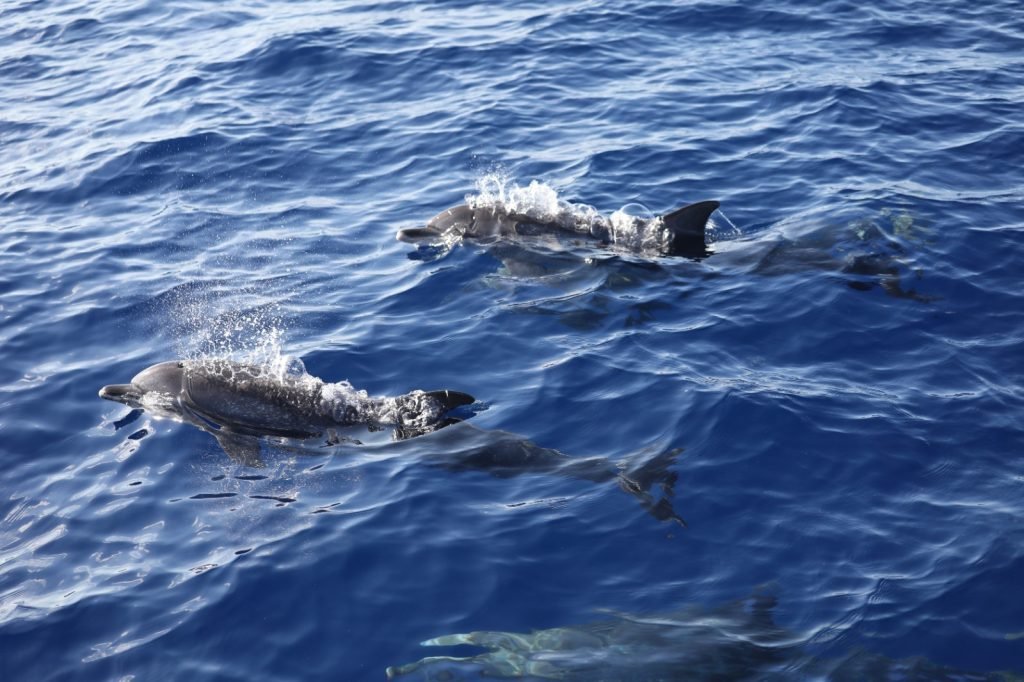
The Dominican Republic’s Ministry of Environment and Natural Resources and Colombia’s National Natural Parks will participate in a landmark international scientific expedition to study the deep-sea ecosystems of the Beata Submarine Ridge, one of the Caribbean’s most ecologically significant underwater regions. The mission was announced during the Our Ocean Conference in Mombasa, Kenya, where Jonathan Delance represented the Dominican delegation.
Scheduled for 2027, the expedition will form part of the inaugural research program aboard REV Ocean, the world’s largest ocean research and exploration vessel. Scientists will investigate deep marine habitats shared by the Dominican Republic and Colombia, including the Orlando Jorge Mera Marine Sanctuary and Colombia’s Beata Natural Reserve, both located within the Beata Submarine Ridge.
International Collaboration to Study Deep-Sea Biodiversity
The mission will be coordinated by the Dominican Ministry of Environment and Natural Resources and Colombia’s National Natural Parks, working alongside leading academic and scientific institutions from both countries. Participating organizations include the Pontifical Bolivarian University, the King Abdullah University of Science and Technology (KAUST), the National University of Colombia, Lehigh University, the Geological Survey of Colombia, and the Monterey Bay Aquarium Research Institute (MBARI).
The research team aims to map deep-water ecosystems, document marine biodiversity, and generate scientific data that will strengthen conservation strategies for one of the least explored marine environments in the Caribbean.
Supporting Marine Protection Through Science
Jonathan Delance, director of conservation for the Dominican Republic’s National 30×30 Program, described the expedition as a milestone for marine science and conservation. He said the project will improve understanding of the geological features and ecological dynamics of deep-sea ecosystems, providing essential information to guide future conservation planning and strengthen protection for fragile marine habitats.
Researchers will study deep-sea species, oceanographic processes, and habitats located thousands of meters below the surface. Using advanced technology, they will collect data on biodiversity, environmental DNA, microplastics, and ecological connectivity to better understand how these ecosystems function.
Advancing Conservation Goals in the Caribbean
The findings are expected to expand scientific knowledge of the underwater geological formations within the Orlando Jorge Mera Marine Sanctuary and their relationship with surrounding water columns and marine species. The information will support future conservation decisions for deep marine protected areas within the Dominican Republic’s National System of Protected Areas (SINAP).
The expedition also aligns with the international goal of protecting at least 30% of the world’s oceans by 2030 under the global 30×30 conservation initiative, reinforcing regional efforts to preserve marine biodiversity and improve the sustainable management of ocean ecosystems.
Building on Bilateral Conservation Efforts
The Dominican Republic’s participation highlights the country’s continued commitment to scientific research and marine conservation while strengthening cooperation with Colombia on the protection of shared marine resources.
The initiative builds on the Joint Declaration for the Protection of the Beata Submarine Ridge, signed by the Dominican Republic and Colombia in July 2022. By combining international scientific expertise with cutting-edge exploration technology, the 2027 mission is expected to provide valuable insights that will shape conservation policies for deep-sea ecosystems across the Caribbean for years to come.