 27°C
27°C
Dominican Republic Expands Training to Protect Entangled Humpback Whales
The Dominican Republic has strengthened its marine conservation efforts by training specialists to safely rescue humpback whales trapped in fishing gear, enhancing the country's preparedness ahead of future whale-watching seasons.


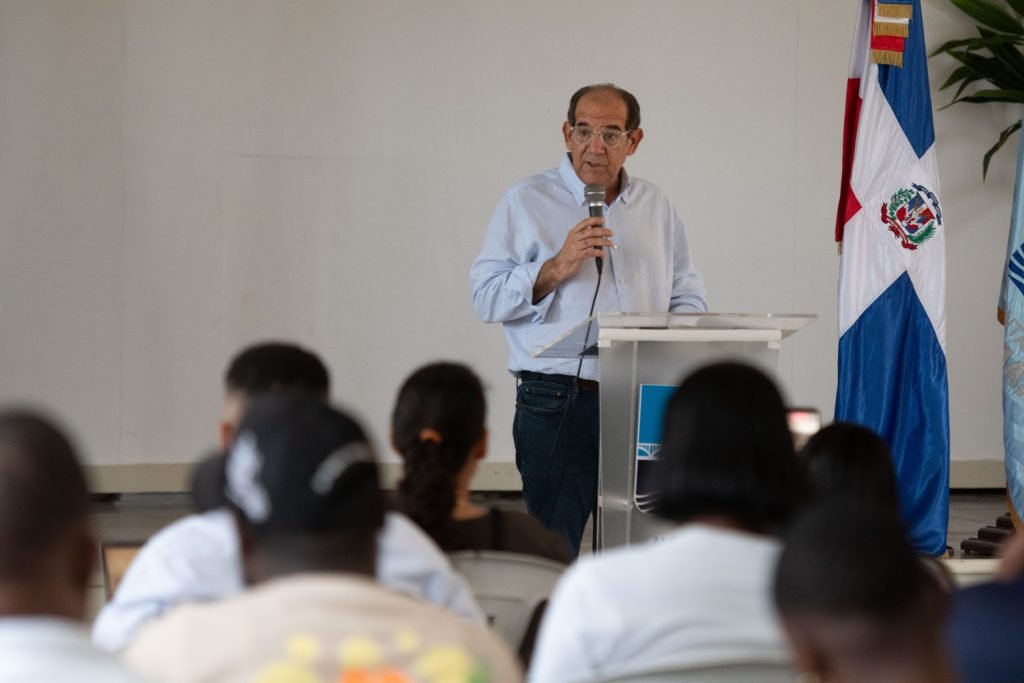
The Ministry of Environment and Natural Resources, in coordination with the International Whaling Commission (IWC), the United Nations Development Programme (UNDP), and several conservation organizations, has completed a specialized training program aimed at improving the country’s ability to respond to humpback whales entangled in fishing gear.
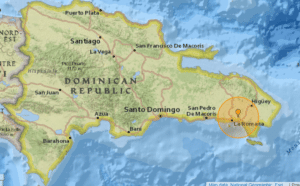
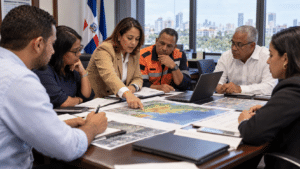
Held in Samaná, one of the Caribbean’s most important seasonal habitats for humpback whales, the workshop was organized through the Ministry’s Vice Ministry of Coastal and Marine Resources and the Directorate of Protected Areas. The initiative brought together environmental authorities, marine conservation experts, and local stakeholders to strengthen national technical capacity for marine mammal rescue operations.
Building National Response Capacity
Opening the workshop, José Ramón Reyes, Vice Minister of Coastal and Marine Resources, highlighted the importance of expanding technical expertise to protect marine wildlife. He described the Dominican Republic as privileged to receive thousands of humpback whales each year and thanked participating institutions for supporting the conservation initiative.
Nina Lysenko, Director of Coastal and Marine Resource Management, Conservation and Protection, emphasized the ecological and economic importance of humpback whales, noting that whale-watching generates significant benefits for communities in Samaná during the annual migration season.
International Expertise and Practical Training
The course began with an overview of the Dominican Republic’s cetacean conservation efforts, including whale-watching activities and recent whale entanglement incidents that have highlighted the need for specialized rescue capabilities.
Alexander Vallejo presented the UNDP project supporting implementation of the High Seas Treaty (BBNJ Agreement), an international accord designed to strengthen the protection of marine biodiversity beyond national jurisdictions.
The workshop brought together 28 participants, who received instruction on rescue protocols, specialized equipment, and safe procedures for responding to large whale entanglements. The program also included practical exercises conducted aboard specialized vessels.
Creating a National Whale Rescue Team
Training was led by Astrid Frisch Jordán and Karel Diego Beets Vigil of the International Whaling Commission. The IWC established its whale disentanglement response protocol four decades ago and has trained more than 1,500 specialists in over 100 countries, contributing to the rescue of approximately 2,000 whales worldwide.
During the program, participants also learned how to establish an organized national response network for future whale rescue operations. The International Whaling Commission donated specialized rescue equipment to support emergency responses involving entangled whales in Dominican waters.
The Ministry of Environment said strengthening national expertise in humpback whale protection remains a priority as part of its broader marine mammal conservation strategy. The training lays the foundation for a dedicated national response team that will help reduce risks to whales during future migration seasons in Samaná Bay and the Silver Bank and Navidad Bank Marine Mammal Sanctuary, two of the Dominican Republic’s most important marine protected areas and an important focus of Dominican Republic marine conservation.