 25°C
25°C

Dominican Republic Advances Ecosystem-Based Climate Adaptation Plans
Climate adaptation planning in the Dominican Republic has entered a new phase after government agencies, international organizations, and local stakeholders validated preliminary climate risk assessments for the Mao and Guayubín river sub-basins in the country's northwest.


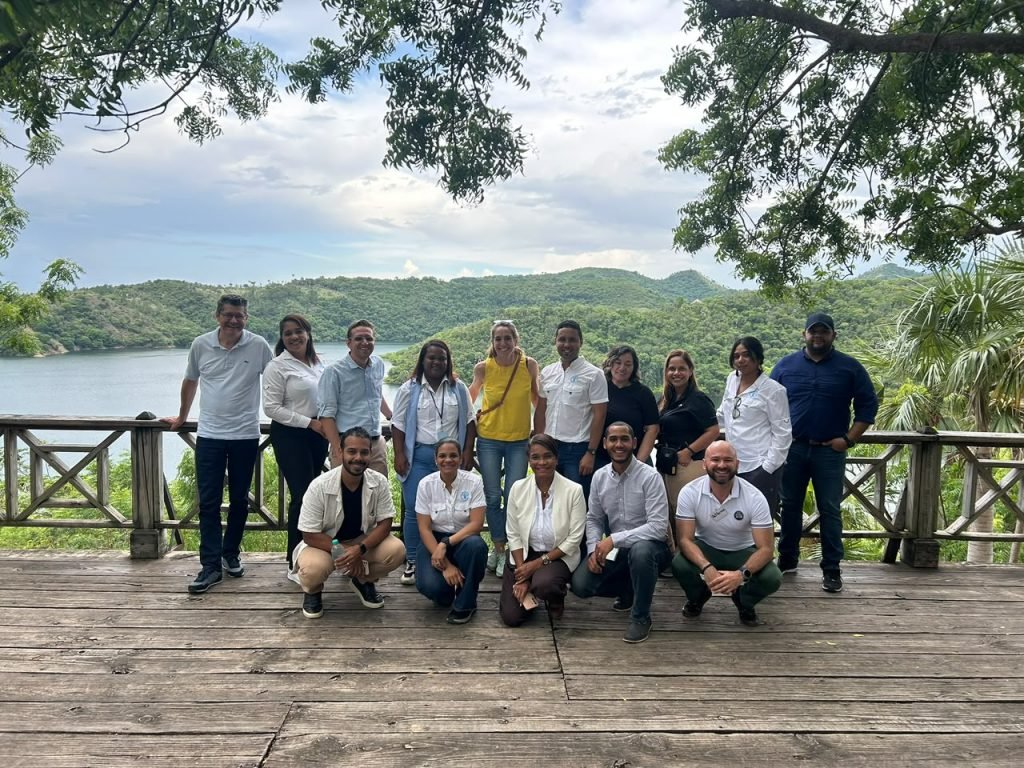
The Ministry of Environment and Natural Resources, working alongside the Food and Agriculture Organization of the United Nations (FAO) in the Dominican Republic, has completed a technical mission aimed at strengthening climate resilience in vulnerable rural areas through ecosystem-based adaptation planning.
The mission, held between June 29 and July 2 in Santiago Rodríguez Province, brought together specialists from the Regional Program Management Unit and technical experts from the International Center for Tropical Agriculture (CIAT), which is leading climate scenario modeling and climate risk and vulnerability assessments for the regional initiative.
Stakeholders Review Climate Risk Findings
As part of the visit, two multi-stakeholder workshops were organized with representatives from the Ministry of Environment, FAO, local authorities, farmers, community organizations, civil society groups, private-sector representatives, and financial institutions connected to the Mao and Guayubín river sub-basins.
The workshops focused on presenting and validating preliminary findings from climate risk and vulnerability assessments under both current climate conditions and projected climate change scenarios. Participants also contributed local knowledge to improve the analysis and help identify ecosystem-based adaptation (EbA) measures designed to protect vulnerable livelihoods and improve resilience across the targeted watersheds.
Technical Visits to Key Water Infrastructure
The mission also included field visits to priority intervention areas, including inspections of the Monción Dam and the Boca de los Ríos Dam within the Guayubín Dam Project. These visits allowed technical teams to better understand local environmental conditions and the challenges surrounding water resource management and climate adaptation.
The assessments and consultations represent a significant step toward developing ecosystem-based adaptation plans for the Mao and Guayubín sub-basins. These plans are expected to guide future actions, pilot projects, technical assistance, investment priorities, and climate finance mechanisms aimed at increasing resilience to climate-related impacts.
Next Steps for the Regional Climate Program
Over the coming months, project teams will consolidate the recommendations gathered during the workshops, refine the climate risk analyses, prioritize ecosystem-based adaptation measures, and prepare an implementation roadmap centered on ecosystem conservation, restoration, and sustainable natural resource management.
The initiative forms part of the Regional Ecosystem-Based Adaptation Program, which seeks to strengthen climate resilience across the Central American Dry Corridor and the arid regions of the Dominican Republic. The program supports vulnerable rural communities, including farmers and small businesses, by promoting nature-based solutions that protect ecosystems while supporting sustainable living and environmental conservation, an issue increasingly relevant to Dominican Republic environmental news.
In the Dominican Republic, the program also contributes to implementing the country’s National Action Program to Combat Desertification and Drought (PAN-LCD), encouraging sustainable land management and improved resilience in arid and semi-arid regions.
The initiative is financed by the Green Climate Fund (GCF). The Central American Bank for Economic Integration (CABEI) serves as the accredited entity, while FAO acts as the implementing agency and the Central American Commission for Environment and Development (CCAD) provides political and institutional support.