 24°C
24°C

Santo Domingo’s Colonial City Unveils Restored Museum and E-Bus Route
The Dominican Republic has unveiled a renovated historic museum and a new electric mobility route in Santo Domingo’s Colonial City, combining heritage preservation with lower-emission transportation in a UNESCO World Heritage area.


Two projects launched in Santo Domingo’s Colonial City are reshaping how visitors can experience one of the Dominican Republic’s most important historic districts. The reconstructed Alcázar de Colón museum has reopened under a new identity, while a pilot electric bus route is now operating through the area.
President Luis Abinader led the launch alongside Tourism Minister David Collado, Culture Minister Roberto Ángel Salcedo and National Museums Director Joan Ferrer. The initiatives combine the preservation of colonial heritage with transportation designed to reduce emissions and improve access to the historic district.
A New Museum Inside the Historic Alcázar
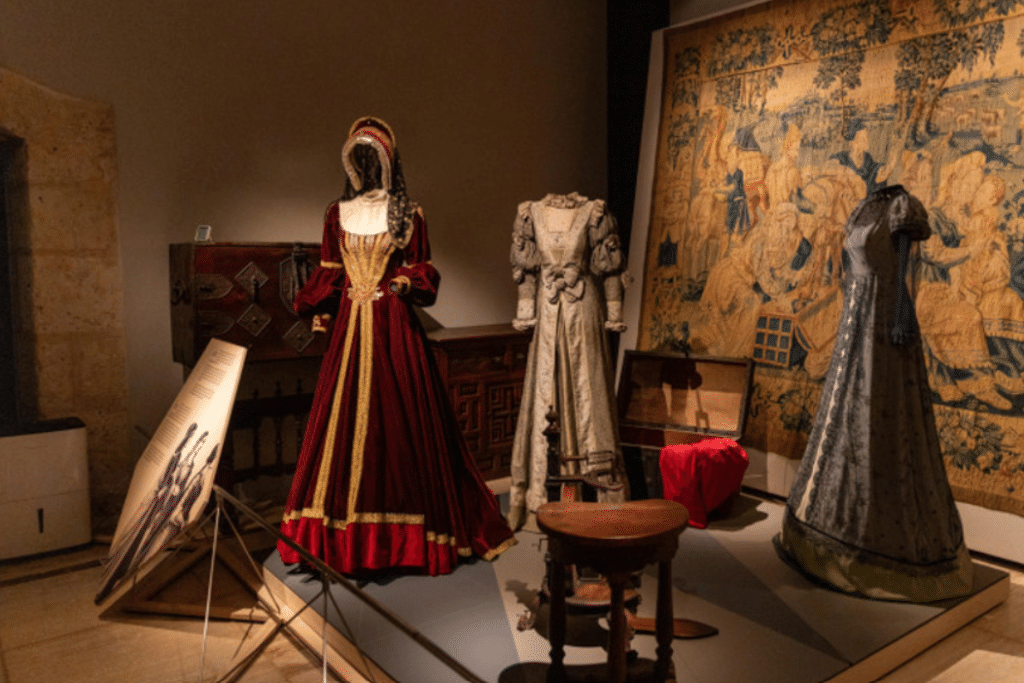
The former Alcázar de Colón is now presented as the Museo Diego Colón Palacio Virreinal, following a restoration and redesign of its 17 exhibition rooms. The new museum experience incorporates audiovisual, digital and interactive resources, accessibility measures and a broader historical narrative.
The building dates to the early 16th century and is closely associated with Diego Colón, son of Christopher Columbus, and his wife, María de Toledo. Its collection and exhibitions now also address the experiences of Indigenous peoples, enslaved people and everyday life in colonial Santo Domingo, expanding the historical perspective presented to visitors.
The renovation involved an investment of more than RD$188 million, according to the Tourism Ministry. The work included the restoration of 16th-century tapestries in Toledo, Spain, new heritage lighting for the building and courtyard, and visual projections toward Plaza de España. The site also includes four galleries and a courtyard overlooking the Ozama River.
The museum will offer free admission for its first month following the reopening. After that period, admission will cost RD$200, in line with the stated fee for other public museums in the Dominican Republic.
Electric Buses Add a New Way to Explore the Historic District
The second initiative is a pilot electric mobility route designed to improve transportation within the Colonial City while reducing vehicle emissions. The service uses five electric buses operating along a 12.4-kilometer route with 31 stops.
The project is expected to benefit more than 40,000 people and was financed with more than RD$71 million from the European Union and RD$98 million from the Inter-American Development Bank (IDB). For visitors, the route adds a lower-emission transportation option for moving through a district where historic streets and concentrated tourism activity create particular mobility challenges.
EU Ambassador Raúl Fuentes Milani and IDB representative Nathalie Alvarado Vega highlighted the connection between the area’s historic value and the introduction of electric mobility. The project is part of a broader effort to link tourism with more sustainable transportation practices in the Dominican capital.
Investment in Colonial Heritage
The Alcázar restoration is part of a wider investment in the preservation of the Colonial City. The Tourism Ministry reported allocating RD$100 million for the Alcázar restoration, while the IDB contributed US$3 million for its museography.
Other projects cited during the launch include RD$400 million invested in the recovery of the Puerta de la Misericordia, 13 churches, the Panteón de la Patria and the Museo de las Casas Reales. The initiatives are intended to strengthen the historic district as a cultural destination while preserving monuments that form part of Santo Domingo’s colonial heritage.
The Colonial City is recognized by UNESCO as a World Heritage Site and is one of the Dominican Republic’s principal cultural attractions for international visitors. Its combination of historic architecture, museums, churches and public spaces makes preservation and mobility important components of the visitor experience.
The reopening of the Palacio Virreinal museum and the introduction of electric buses therefore add two different elements to the same destination: a renewed interpretation of the district’s history and a transportation option designed to make movement through it more sustainable. Both developments also form part of the wider cultural and tourism activity regularly followed in Dominican Republic news.