 24°C

Dominican Republic Celebrates National Merengue Day on November 26
The Dominican Republic marks National Merengue Day on November 26, celebrating the music and dance tradition that has become one of the country's most recognizable cultural symbols and earned international recognition from UNESCO.


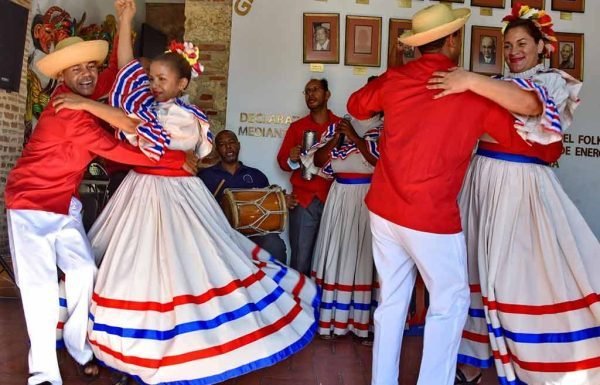
The sound of the tambora, güira and accordion takes center stage across the Dominican Republic on November 26, as the country celebrates National Merengue Day, honoring a musical tradition deeply connected to its history, cultural identity and international recognition.
More than a popular dance rhythm, merengue represents an important part of Dominican heritage. Its influence extends across generations and social communities, bringing people together through music, dance and celebrations both at home and abroad.
The annual commemoration was established through Presidential Decree No. 619-05, signed by then-President Leonel Fernández on November 11, 2005. The measure recognized merengue as a defining expression of Dominican identity and called for activities promoting its preservation and appreciation.
Why November 26 was chosen for National Merengue Day
The date commemorates a historical reference from November 26, 1854, when the word “merengue” appeared in the Dominican newspaper El Oasis. The publication is cited in the presidential decree as an early documented reference to the musical genre in Dominican society.
The historical reference concerns the appearance of the word in print, rather than establishing the precise date when the musical style originated. Merengue developed over time, evolving through different musical traditions and regional influences.
Its traditional sound is particularly associated with the combination of the tambora, a two-headed drum, the güira, a metal percussion instrument, and the accordion. Together, these instruments produce the distinctive rhythm that has become synonymous with Dominican popular music.
UNESCO recognition placed Dominican merengue on the world stage
Merengue received international recognition on November 30, 2016, when UNESCO inscribed the music and dance of the merengue in the Dominican Republic on its Representative List of the Intangible Cultural Heritage of Humanity.
The recognition highlighted the genre’s importance beyond entertainment, emphasizing its role in everyday Dominican life, including family gatherings, educational activities, social celebrations and community traditions.
UNESCO also recognized the way merengue knowledge and dancing skills are passed between generations through observation, participation and imitation. Its popularity across different social groups contributes to cultural exchange and community cohesion.
The organization’s documentation identifies northern Dominican communities as an important historical center of the tradition, whose influence has extended throughout the Caribbean, the United States and Latin America.
Artists who shaped the history of Dominican merengue
Several generations of Dominican performers have helped establish merengue as an internationally recognized musical genre.
Among its most influential figures are Joseíto Mateo, widely remembered as one of the genre’s historic voices; Johnny Ventura, whose innovative performances helped modernize its popular appeal; and Wilfrido Vargas, who contributed to its international expansion.
Other prominent artists include Cuco Valoy, Fernando Villalona, Milly Quezada, Sergio Vargas, Rubby Pérez and Juan Luis Guerra, whose musical contributions have helped maintain merengue’s popularity among audiences in the Dominican Republic and abroad.
Their work reflects the genre’s ability to adapt to changing musical tastes while maintaining its recognizable Dominican character.
A living tradition at the heart of Dominican identity
National Merengue Day is also an opportunity to recognize the musicians, composers, singers, instrumentalists and dancers who continue to preserve and develop this cultural expression.
For Dominicans living overseas, merengue remains an important connection to their homeland, providing a familiar sound at family celebrations, cultural festivals and community gatherings. Its popularity among international audiences has also helped introduce Dominican culture to people who may have never visited the country.
The annual celebration reinforces the importance of protecting traditional musical expressions while encouraging younger generations to learn, perform and reinterpret them.
As the Dominican Republic marks November 26, merengue continues to represent much more than a musical genre: it is a cultural tradition that connects the country’s past with its present and carries an unmistakably Dominican identity onto the international stage.