 24°C


Dominican Police Investigate Incident After Deputy Millys Martínez Is Handcuffed in Elías Piña
The Dominican National Police has launched an investigation into a confrontation involving congresswoman Millys Johanna Martínez Morillo in Elías Piña after videos showed her handcuffed during a police operation at a fuel station. The institution denies that she was formally arrested, while Chamber of Deputies President Alfredo Pacheco has condemned the officers’ actions and called attention to constitutional protections for lawmakers.


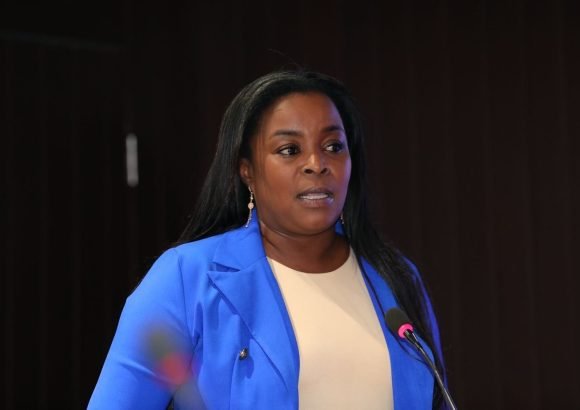
The incident occurred on Sunday, October 11, in Comendador, the provincial capital of Elías Piña, in western Dominican Republic near the Haitian border. The police intervention reportedly took place during a gathering at a fuel station where music was playing and alcoholic beverages were being sold, allegedly without the required permits.
The confrontation has drawn attention to questions surrounding police conduct and the constitutional protections afforded to elected officials. For further coverage of developments across the country, follow the latest Dominican Republic news.
Police Inspector General Sent to Elías Piña
National Police Director General Major General Ernesto Rodríguez García instructed Inspector General General Martín Tapia Sánchez to travel to Elías Piña and lead the investigation into the confrontation involving police officers, Martínez and other citizens.
According to preliminary information released by the institution, officers were conducting an intervention at the fuel station because of a gathering that allegedly involved loud music and the sale of alcoholic beverages without the necessary authorizations. The police have said the investigation will establish the circumstances surrounding the incident and determine whether any officers or other individuals bear responsibility.
The institution has specifically denied that Martínez was arrested, responding to reports and social media posts describing the incident as an arrest. However, footage published by Dominican news outlets appears to show the congresswoman in handcuffs during the confrontation. The distinction between being restrained during an operation and being formally arrested is central to the conflicting accounts of what happened.
Video Shows Confrontation During Police Operation
Reports published by Diario Libre describe a situation in which police officers were attempting to detain a young man at the fuel station when Martínez intervened. She was subsequently handcuffed, according to the newspaper’s account, before officers removed the restraints amid protests from people at the scene.
Videos circulating online show officers surrounding the legislator as bystanders object to the police action. In one recording described by Diario Libre, Martínez can be heard asking officers to release the young man. She also appears to complain about the way she was being handled while asking that the other citizen’s handcuffs be removed first.
The incident reportedly took place during the patron-saint festivities in Comendador. However, the precise sequence of events, the legal basis for the attempted detention and the conduct of the officers involved remain subject to investigation.
The available reporting does not establish that the police have completed their inquiry or issued definitive findings about whether the officers followed the applicable procedures.
Chamber of Deputies President Condemns Treatment of Legislator
Alfredo Pacheco, president of the Dominican Republic’s Chamber of Deputies, publicly condemned the treatment of Martínez, who represents Elías Piña and belongs to the ruling Modern Revolutionary Party (PRM).
In a message published on social media, Pacheco said the congresswoman had been handcuffed during an attempted arrest and identified Colonel De León as the officer allegedly leading the procedure. His account contrasts with the police institution’s denial that Martínez was formally arrested. The investigation will need to clarify the officers’ actions and the circumstances under which the restraints were applied.
Pacheco also invoked Article 86 of the Dominican Constitution, which establishes protections for members of Congress against deprivation of liberty, subject to the constitutional conditions and exceptions, including flagrante delicto.
He stressed that authorities must respect constitutional guarantees when carrying out police operations involving elected representatives. His intervention has brought additional attention to the incident, which now raises questions about both police conduct and the legal safeguards applicable to legislators.
Constitutional Protections and Accountability
The controversy centers on two issues that the investigation must distinguish: whether the police operation at the fuel station was legally justified and whether the officers acted appropriately when the legislator intervened.
The constitutional protections cited by Pacheco are intended to safeguard the exercise of legislative duties. Their application depends on the circumstances and the relevant legal provisions; the fact that a person holds parliamentary office does not eliminate the need to establish what occurred during a specific police operation.
At the same time, the police denial of a formal arrest does not, by itself, resolve questions about the use of handcuffs or the manner in which officers handled the confrontation. Those issues require a factual assessment of the available footage, witness accounts and the officers’ explanations.
The Inspector General’s inquiry is therefore expected to clarify the sequence of events and establish whether disciplinary or other measures are warranted. As of October 12, 2026, the reports reviewed had not announced a final investigative finding or a determination of responsibility.
For residents of Elías Piña, the outcome may provide a clearer account of how the police conduct enforcement operations at public gatherings and how complaints involving alleged misconduct are handled. The case also highlights the importance of transparent investigations when incidents involving law enforcement and elected officials generate competing public accounts.