 29°C

Pro Consumidor Reports Destruction of 7 Million Unsafe Products
The Dominican Republic’s consumer protection agency says it has removed and destroyed seven million products since March 2021, citing violations involving food safety, hygiene, labeling and sanitary requirements.


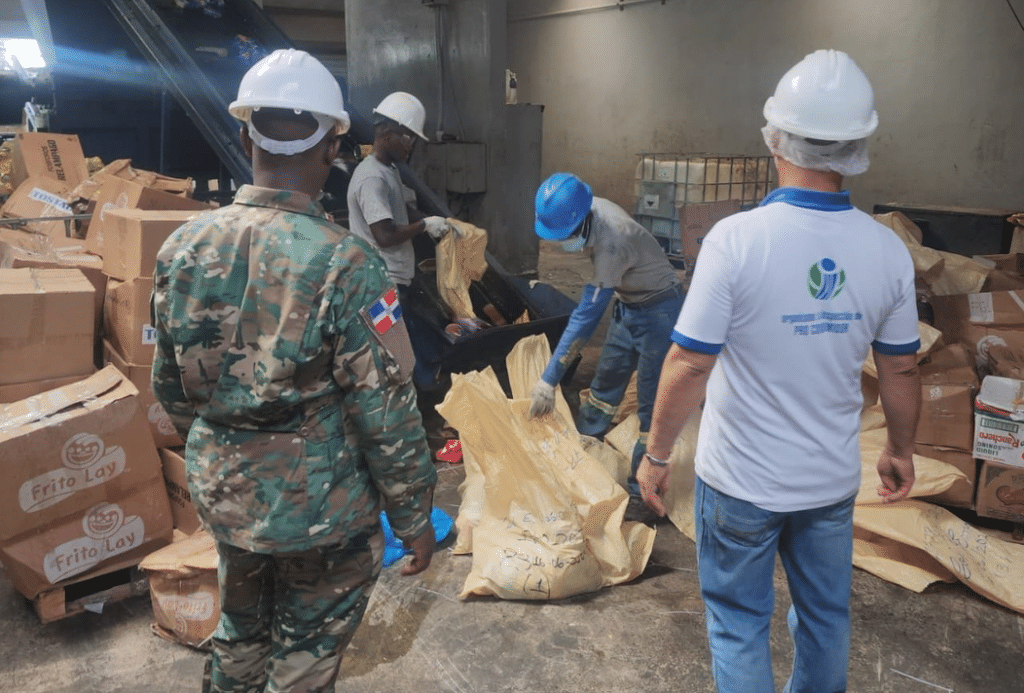
Seven million products deemed unfit for sale or human consumption have been confiscated and destroyed by the Dominican Republic’s National Institute for Consumer Protection (Pro Consumidor) since Eddy Alcántara took over as executive director in March 2021, according to figures released by the agency.
The products were removed during inspection operations across the country after authorities found that they failed to meet required standards for quality, food safety, hygiene or sanitary registration. The reported total covers several years of enforcement activity rather than a single operation.
Expired food and improperly stored goods among violations
Pro Consumidor identified several recurring problems during inspections, including expired merchandise, decomposing food, rusty or dented cans, products without proper labels, pest infestations and goods suspected of being adulterated or counterfeit.
The confiscated merchandise included everyday food items such as rice, beans, pasta, sardines, flour, chocolate, canned milk, instant soups, butter, cheese, juice and sauces. Authorities also reported destroying disposable diapers, condoms, sanitary pads and other household products.
The agency’s enforcement actions have also covered alcoholic beverages, cigarettes, stimulants and other consumer goods. The range of products underscores that inspections extend beyond food to items whose condition, authenticity or compliance with applicable requirements may affect consumers.
Inspections across major commercial areas
According to Alcántara, operations have focused on commercial establishments in Greater Santo Domingo, Santiago, San Cristóbal, La Altagracia, Hato Mayor, Barahona, Bahoruco, El Seibo, Valverde, Sánchez Ramírez, Peravia, Duarte, Puerto Plata, La Vega and San Pedro de Macorís, among other areas.
Inspection teams have visited supermarkets, neighborhood grocery stores, warehouses, public markets, cafeterias and informal businesses. Their work includes checking how goods are stored and displayed, as well as whether products meet the conditions required for legal sale.
The agency says its work also targets the falsification and adulteration of merchandise and the sale of products from irregular sources. In July 2026, Pro Consumidor reported the destruction of nearly 20 tons of expired and adulterated food seized from warehouses in San Cristóbal during a joint operation with the Public Prosecutor’s Office and the Specialized Corps for Fuel Control (CECCOM).
What consumers can check before buying
Pro Consumidor says inspections are carried out both through its own enforcement initiatives and in response to complaints submitted by members of the public. Alcántara said the agency intends to continue operations in different parts of the country.
Consumers can reduce their exposure to unsafe or improperly marketed goods by checking expiration dates, examining packaging for rust, dents or signs of damage, and reviewing product labels before making a purchase. Food that appears spoiled or has been stored in visibly unhygienic conditions should be avoided.
Consumers who identify potentially unsafe products or questionable commercial practices can contact Pro Consumidor through its official website to seek guidance or submit a complaint.