 30°C
30°C

Abinader Says No Conditions Exist for Comprehensive Tax Reform
Dominican Republic President Luis Abinader said his administration will continue implementing measures to shield middle-income households and vulnerable sectors from global economic pressures while ruling out a comprehensive tax reform under current conditions.


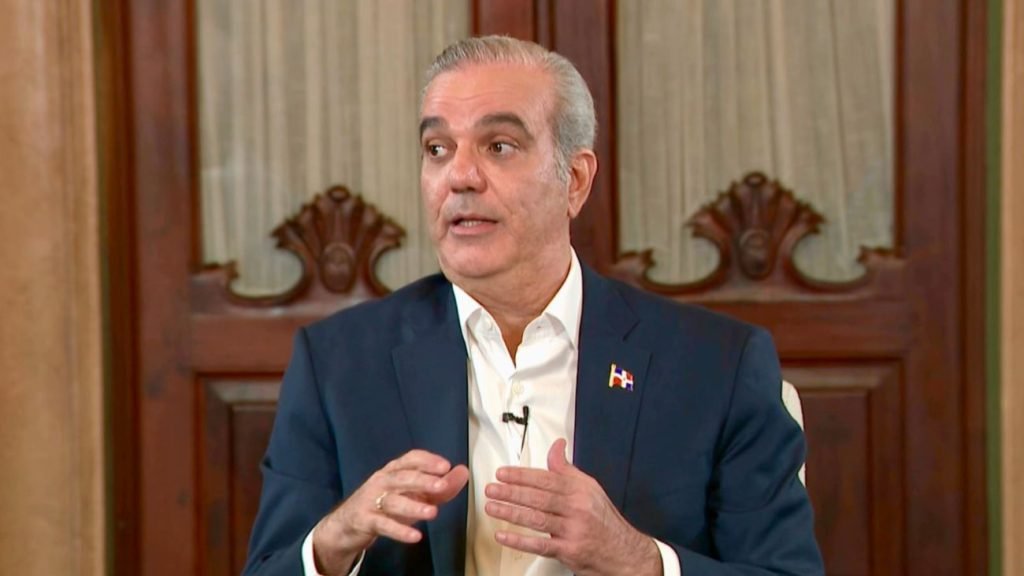
President Luis Abinader said the Dominican government will maintain its anti-crisis measures to protect household purchasing power and preserve economic stability, while emphasizing that current economic conditions do not support a comprehensive tax reform.
Speaking during an interview with journalists José Monegro and Edith Febles, the president explained that the government’s anti-crisis strategy is designed to respond to the international economic environment without placing additional burdens on most taxpayers. He stressed that the measures seek to protect the middle class and lower-income sectors while maintaining fiscal stability.
Government Prioritizes Household Purchasing Power
Abinader said the plan particularly benefits salaried middle-class workers through wage indexation intended to strengthen their purchasing power. He added that the largest tax adjustments would primarily affect companies with higher revenues and individuals earning more than RD$400,000 per month.
The president also addressed concerns over increased withholding applied to some self-employed professionals, explaining that the measure does not represent a tax increase. Instead, he described it as an advance payment that can later be credited when taxpayers file their annual tax returns.
Inflation Remains a Key Concern
Abinader acknowledged that rising prices have placed additional pressure on many Dominican households, noting that inflation has affected economies around the world due to ongoing international challenges.
“Now there are no conditions to carry out a comprehensive tax reform,” the president said during the interview, adding that his administration remains focused on protecting families from the impact of higher living costs.
He also argued that the Dominican Republic has managed to raise the minimum wage above the pace of inflation, a policy aimed at preserving workers’ purchasing power despite persistent price increases.
Economic Growth Supports Stability
According to Abinader, the country’s economic performance continues to benefit from strong tourism activity, expanding free trade zones, a recovery in the construction sector and continued efforts to attract new investment opportunities.
The president highlighted the Dominican Republic’s growing appeal to foreign investors, stating that the country received more than $5 billion in foreign direct investment last year and that this year’s total is expected to surpass that figure.
He concluded that investor confidence, together with growth in tourism, exports and remittances sent by Dominicans living abroad, has helped sustain macroeconomic stability and support the strength of the Dominican peso despite ongoing global economic uncertainty.