 25°C
25°C

Tourism Leaders Urge Greater Collaboration to Build a More Sustainable Dominican Republic
Representatives from Iberostar Hotels & Resorts and the United Nations Development Programme (UNDP) say the long-term success of the Dominican Republic's tourism industry will depend on stronger environmental stewardship, public-private collaboration, and greater support for local communities.


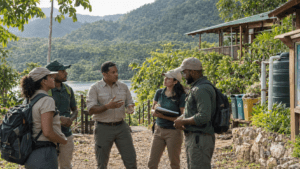
The future of tourism in the Dominican Republic will depend not only on attracting more visitors but also on protecting natural resources, reducing carbon emissions, strengthening local supply chains, and preparing destinations for the impacts of climate change, according to tourism and sustainability experts.
Representatives from Iberostar Hotels & Resorts and the United Nations Development Programme (UNDP) shared that perspective during the National Forum on Inclusive and Resilient Value Chains for Sustainable Tourism, an event organized by both institutions in partnership with the Ministry of Environment and Natural Resources, ECORED, Asonahores, and PUCMM.
Shared Responsibility for Sustainable Growth
Lyn Santos, Destination Stewardship Director at Iberostar, said achieving sustainable tourism requires governments, businesses, academia, and civil society to work toward a common vision while fulfilling their respective responsibilities.
According to Santos, governments should establish policies and strengthen regulatory frameworks, businesses must implement sustainable practices, civil society should integrate sustainability into everyday activities, and universities should continue researching effective solutions.
She emphasized that collaboration must be supported by scientific data and practical frameworks capable of translating sustainability goals into measurable actions.
Tourism Should Deliver Broader Development
Víctor Rodríguez, UNDP Coordinator for the Private Sector, MSMEs, and Entrepreneurship, stressed that tourism growth should generate broader social benefits, including improved working conditions, stronger local businesses, and greater opportunities for surrounding communities.
Rodríguez argued that sustainable development extends beyond economic growth and should prioritize education, healthcare, employee well-being, and responsible engagement with suppliers and other stakeholders.
He also identified several long-term challenges facing the Dominican Republic’s tourism sector, including sargassum management, land-use planning, waste management, and responsible water use, describing them as key issues for maintaining the industry’s competitiveness.
According to Rodríguez, sustainability should become an integral part of business strategy rather than being viewed solely as corporate philanthropy or social responsibility. He said this approach can improve profitability, increase employee satisfaction, and generate lasting benefits for local communities.
Building More Resilient Destinations
Luz Valentina Lantigua, Destination Stewardship Manager for Iberostar in the Dominican Republic, said sustainability is embedded in the company’s business strategy and its relationship with the destinations where it operates.
She described sustainable tourism as achieving a balance between economic activity, local communities, and environmental protection while ensuring that natural resources remain available for future generations. Lantigua added that Iberostar relies on continuously evolving sustainability goals supported by clear data and measurable indicators to monitor progress across its hotels.
According to the company, all Iberostar properties are required to meet corporate sustainability standards regardless of their location. However, company representatives acknowledged that individual hotel initiatives alone are insufficient if broader destination-wide solutions are not implemented.
Lantigua said meaningful progress requires collaboration among hotels, suppliers, government agencies, and community organizations, along with updated regulations and incentives that encourage businesses to invest in sustainable solutions benefiting both the tourism industry and local communities.