 27°C


Things to Do in Santo Domingo: A Practical Guide for 2026
Santo Domingo combines a UNESCO-listed historic district, underground lakes, botanical gardens, Caribbean waterfront walks and a lively cultural scene. The key to enjoying the capital is planning around distance, opening hours and traffic rather than trying to fit every attraction into one day.


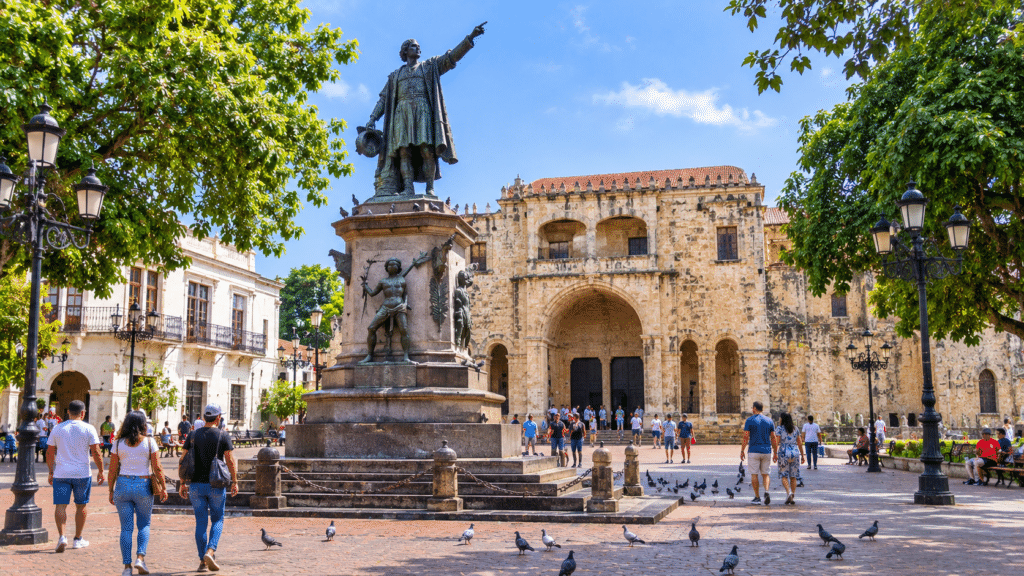
Santo Domingo offers several different ways to spend a day: walking through centuries of history in the Colonial Zone, exploring limestone caves and freshwater lakes in the east of the city, visiting museums, or enjoying live music after sunset. The challenge is not finding things to do, but choosing an itinerary that makes sense geographically.
The Colonial Zone is the easiest starting point for a short visit because many of its main landmarks are within walking distance. Los Tres Ojos, the National Botanical Garden and the city’s waterfront require separate journeys, so they are better treated as individual outings.
Choose your plan according to the time available
If you have two or three hours: Stay in the Colonial Zone. Start at Parque Colón, walk past the Cathedral and continue along Calle Las Damas toward Plaza de España. Choose one museum or monument to visit inside rather than trying to enter several attractions in a short period.
If you have half a day: Give the time to one main area. You can explore the Colonial Zone at a relaxed pace, or make Los Tres Ojos your main destination if you prefer a nature-focused visit.
If you have one full day: Begin in the Colonial Zone, have lunch nearby and choose one afternoon excursion. Los Tres Ojos, the Botanical Garden and the museums around Plaza de la Cultura are alternatives, not stops that should automatically be combined into a single route.
If you live in Santo Domingo: Build the outing around a performance, exhibition, concert or restaurant reservation. Check the date-specific program before leaving; a venue’s regular cultural activity does not guarantee that a particular show will take place.
What to do during the day
Walk through the Colonial Zone
The Colonial Zone is the most practical area for a first visit. Its historic streets connect Parque Colón, the Cathedral, Calle Las Damas, Plaza de España and several major monuments.
Founded in 1498 and inscribed on UNESCO’s World Heritage List in 1990, the historic district preserves the urban layout of one of the earliest European settlements in the Americas. Its importance goes beyond individual buildings: the street grid and public squares influenced the planning of other colonial cities across the continent.
Parque Colón is a convenient meeting point. From there, visitors can see the Cathedral of Santa María la Menor, walk toward Calle Las Damas and continue to the Alcázar de Colón, which faces Plaza de España.
The Alcázar was built as the residence of Diego Columbus, son of Christopher Columbus, and now operates as a historical museum. The Dominican Republic’s official tourism website lists its visiting hours as Tuesday through Saturday, 9 a.m. to 5 p.m., and Sunday, 9 a.m. to 4 p.m. Check the museum’s own information before visiting because schedules can change.
Other worthwhile stops include the Fortaleza Ozama and the Museo de las Atarazanas Reales, dedicated to the island’s maritime heritage. The latter is listed by the official tourism portal as open Tuesday through Sunday, from 10 a.m. to 6 p.m.
Walking around the district is different from entering its museums and monuments. Exterior views of the Alcázar, Fortaleza Ozama or the Casas Reales do not include admission to their interiors. Allow extra time for ticket purchases, security checks and individual opening hours.
Explore Los Tres Ojos National Park
Located in Santo Domingo Este, Los Tres Ojos offers a striking contrast with the capital’s streets and buildings. The protected area features limestone caves and freshwater lakes formed within a natural cavern system.
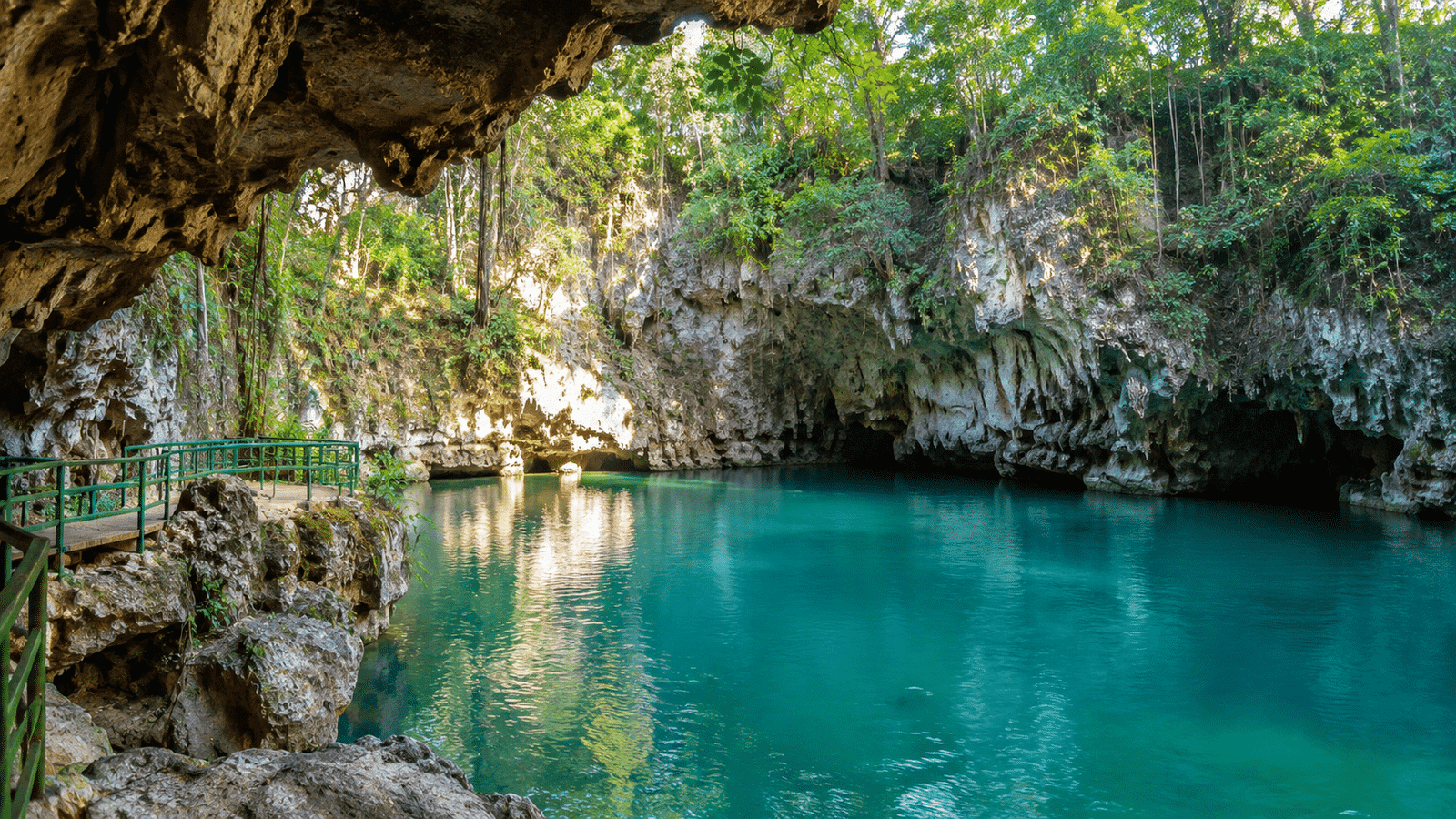
The name refers to the three principal underground lakes. A fourth lake, known as Los Zaramagullones, is outdoors and can be reached by a small boat when the service is operating.
The visit involves descending and climbing stairways, walking on uneven surfaces and navigating areas that may be damp. Comfortable shoes are important, and the route may not be suitable for visitors with limited mobility. Families should also keep children close around steps and water.
Plan Los Tres Ojos as a dedicated trip to the eastern part of the city. Combining it with several stops in the Colonial Zone can mean spending a substantial part of the day in traffic. Check the park’s current access conditions and admission arrangements before setting out.
Spend time at the National Botanical Garden
The National Botanical Garden Dr. Rafael María Moscoso is a good option for visitors who want green space and a slower pace. Its collections include native and tropical plants, orchids, aquatic vegetation and landscaped areas, including a Japanese garden.
The garden can be explored on foot, and the institution also lists a tourist train among its visitor services. The official garden website gives public opening hours as 9 a.m. to 5 p.m. every day. Its location is at the intersection of Avenida República de Colombia and Avenida Los Próceres.
Allow enough time to walk, rest and enjoy the grounds instead of treating the garden as a quick photo stop. Bring water, use comfortable footwear and take the heat and possibility of rain into account. If you are planning a picnic, organized activity or event, confirm the rules for the specific area with the garden in advance.
Walk along the Malecón
Santo Domingo’s Malecón follows Avenida George Washington along the Caribbean coast. It is a popular place for walking, jogging, cycling and enjoying the sea breeze, particularly in the late afternoon.
Plaza Juan Barón and Güibia are among the public spaces along this waterfront corridor. The Malecón also has hotels, restaurants and nightlife venues, but the public promenade itself is not the same as a restaurant reservation or a managed beach club.
Choose a specific section rather than assuming the entire waterfront can be covered in a short walk. The light and temperatures are generally more comfortable later in the day, although weather conditions can change.
Visit Mirador Sur Park
Parque Mirador Sur is another option for outdoor activity without leaving the urban area. The park runs alongside Avenida Anacaona and is used for walking, running, cycling and other recreational activities.
It is particularly suited to an early-morning or late-afternoon visit. If you are looking for a long walk or exercise rather than a conventional sightseeing stop, it can be a better fit than adding another museum to the itinerary.
Cultural attractions and Dominican music
Bonyé at the San Francisco Ruins
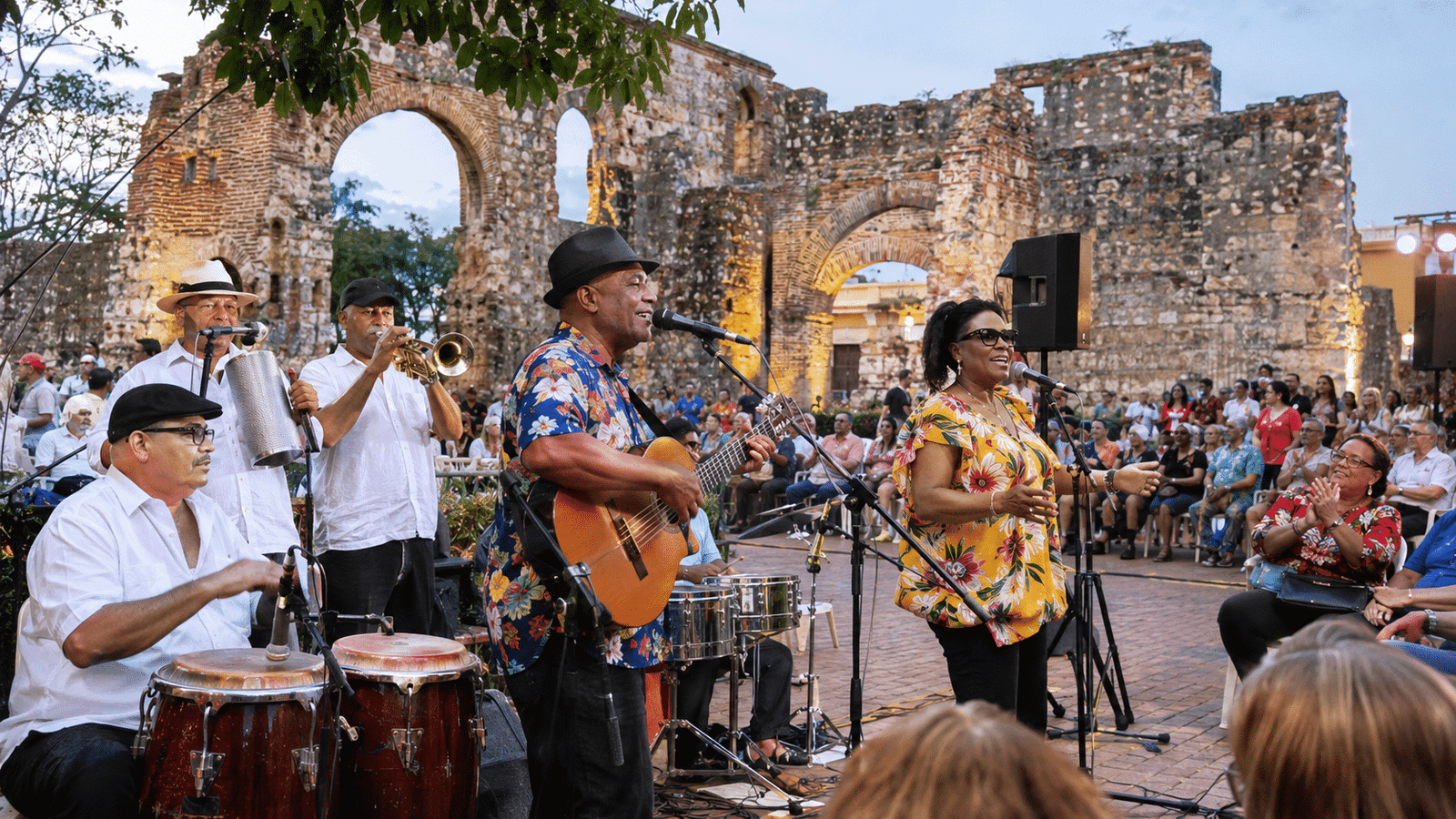
Bonyé is associated with Sunday evenings at the Ruins of San Francisco in the Colonial Zone. The group is known for live music rooted in Dominican and Caribbean rhythms, including son, salsa and merengue.
Listings for November 2026 show performances scheduled from 6 p.m. to 10 p.m. on Sundays, but visitors should confirm the event with the organizer before making plans. The activity has had seasonal interruptions, so it should not be treated as guaranteed year-round programming.
The ruins are on Calle Hostos. Arrive with enough time to find a place to stand and be aware that the event takes place outdoors. Check the latest information if you are traveling with children or need specific accessibility arrangements.
See what is on at Casa de Teatro
Casa de Teatro, at Arzobispo Meriño 110 in the Colonial Zone, is a cultural venue that has supported Dominican artists and independent creative projects since 1974. Its program has included theater, concerts, exhibitions, poetry and other artistic activities.
The best way to plan a visit is to choose a specific performance or exhibition first. Programs, ticket prices and admission conditions vary by event, so check the venue’s current announcements rather than relying on a general weekly schedule.
Choose a museum based on your interests
The Colonial Zone has several museums that can add context to a walk through the historic district. The Alcázar de Colón focuses on the colonial period, while the Museo de las Atarazanas Reales explores maritime history.
The Centro Cultural Taíno Casa del Cordón presents archaeological material associated with the island’s Taíno inhabitants. The official tourism portal lists it at Calle Isabel La Católica and gives visiting hours as Tuesday through Sunday, 9:30 a.m. to 6:30 p.m.
For a different subject, the Museo de la Catedral offers exhibitions related to the history, art and religious heritage of the Cathedral. Its website lists opening hours from Thursday to Saturday, 10 a.m. to 6 p.m., and Sunday, 2 p.m. to 6 p.m., with a stated museum admission price of RD$200. Confirm the current price and schedule before visiting.
Outside the Colonial Zone, the Plaza de la Cultura brings together major cultural institutions, including the National Theater and museums. It is worth planning this as a separate visit rather than trying to walk there from the historic district between other activities.
Visit the Columbus Lighthouse
The Faro a Colón, or Columbus Lighthouse, is a large cross-shaped monument in Santo Domingo Este. It combines a memorial, museum spaces and exhibitions related to the history of the Americas.
The official Dominican tourism portal lists the monument as open Tuesday through Sunday, from 9 a.m. to 5 p.m., and gives its location on Avenida Mirador del Este. It is best combined with other activities in the eastern part of the city, such as Los Tres Ojos, rather than with a tightly scheduled walking tour of the Colonial Zone.
What to do at night
The Colonial Zone is a convenient choice for an evening that combines dinner, drinks and a cultural activity because many venues are close enough to reach on foot. Casa de Teatro and the surrounding streets are useful reference points when there is a performance or concert on the program. If you enjoy live music, check the upcoming concerts and live music events to discover performances worth adding to your plans.
Piantini and the area around Avenida Winston Churchill offer a different atmosphere, with restaurants, cocktail bars and nightlife venues. Naco also has options for after-work drinks and social gatherings.
Choose the type of evening first: a quiet dinner, live music, a show or dancing. Then check the venue’s opening hours, event schedule, cover charge and reservation policy. A neighborhood’s general nightlife reputation does not guarantee that a particular bar or performance will be open on your chosen date.
Beaches near Santo Domingo
Boca Chica and Juan Dolio are two coastal destinations that can be visited from the capital, but they require a separate journey and should not be treated as quick stops between city attractions.
Boca Chica is known for its shallow, relatively sheltered waters and beachfront restaurants. It is a popular choice for a beach day, especially for visitors who want to combine swimming with lunch by the sea.
Juan Dolio offers a longer coastal setting with hotels, restaurants and residential developments. It can suit visitors who want to spend more time by the beach or extend the outing into an overnight stay.
Driving times depend on the starting point, traffic and road conditions. Check the route before leaving, especially on weekends and public holidays. If you plan to use a taxi or private transfer, agree on the fare and return arrangements in advance.
How much does a day in Santo Domingo cost?
There is no single price for a day out in the capital. The total depends on transportation, admission fees, food, drinks and whether you attend a paid performance.
Budget outing: Walk through public spaces in the Colonial Zone, visit a free outdoor area and choose an inexpensive meal. You can enjoy much of the historic district without paying for entry to every monument.
Mid-range outing: Add one museum or attraction, lunch and transportation between areas. Check admission fees directly with each venue, as prices and discounts may change.
Evening outing: Include dinner, drinks and the cost of a show or event if admission is charged. Confirm whether taxes, service charges or a cover charge are included in the listed price.
Plan the return journey as part of the budget. A low-cost activity can become a more expensive outing if it requires several separate rides across the city.
Getting around Santo Domingo
The best way to explore the Colonial Zone is on foot. Its main landmarks are close together, and walking makes it easier to stop at plazas, cafés and smaller streets along the way.

For attractions outside the historic center, use a taxi, a ride-hailing service or a planned private transfer. Public transportation can also be useful depending on the route, but it may not take you directly to the entrance of every attraction. Check current service information before relying on a particular connection.
Santo Domingo’s traffic can significantly affect journey times. Avoid scheduling activities in different parts of the city too close together, and leave extra time for trips to Los Tres Ojos, the Botanical Garden, Mirador Sur or the beaches.
Practical tips before you go
Check opening hours on the day of your visit. Museums and monuments may close on certain days, change their schedules or temporarily restrict access. Official venue pages are more reliable than old travel listings.
Plan outdoor activities around the weather. The heat, humidity and rain can make long walks more demanding. Carry water, use sun protection and keep an indoor alternative in mind.
Wear suitable shoes. The Colonial Zone has uneven historic surfaces, while Los Tres Ojos includes stairs and damp areas. Comfortable footwear is useful for both.
Keep your itinerary geographically realistic. Group nearby attractions together. A morning in the Colonial Zone and an afternoon at Los Tres Ojos can work if you allow enough time for the transfer, but adding the Botanical Garden and a beach trip would make the day unnecessarily rushed.
Confirm event details. Bonyé, Casa de Teatro and other cultural venues operate according to their announced programs. Check the date, time, price and ticket requirements before setting out.
Use official information for museums and parks. The Dominican Republic’s tourism portal, the National Botanical Garden and the individual museums publish practical information that can help you avoid wasted journeys.
Suggested itineraries
A short first visit
Start at Parque Colón, see the Cathedral from the outside, walk along Calle Las Damas and finish at Plaza de España. If time allows, choose either the Alcázar de Colón or another nearby museum for an interior visit.
A full day focused on history
Spend the morning in the Colonial Zone, including one museum visit. Have lunch nearby and continue exploring the historic streets at a relaxed pace. Finish with dinner or a cultural event if one is scheduled.
A day focused on nature
Choose Los Tres Ojos or the National Botanical Garden as the main activity. Do not try to fit both into a short visit unless you have private transportation and enough time. Add a waterfront walk later only if traffic and weather allow.
A Sunday in Santo Domingo
Explore the Colonial Zone during the day, take a break for dinner and check whether Bonyé is scheduled at the San Francisco Ruins that evening. Confirm the event before leaving and allow time to reach the venue.
The best Santo Domingo itinerary is not necessarily the one with the most stops. Choose a few places that match your interests, group them by location and leave enough time to experience the city rather than spending the day traveling between attractions.
Explore Santo Domingo on the Map
Planning your visit to Santo Domingo? Use the interactive map below to locate the main attractions featured in this guide, from the historic Colonial City and its cultural landmarks to natural sites, parks and waterfront destinations. Click on any marker to see the name and a brief description of each place, and use the map to plan your route around the Dominican capital.