 30°C
30°C

Dominican Vehicle Inspection System Faces Calls For Transparency
The Dominican Republic's long-delayed vehicle technical inspection system is drawing renewed attention, with ACOFAVE urging INTRANT to establish independent operators, uniform standards and strong oversight before inspections begin.


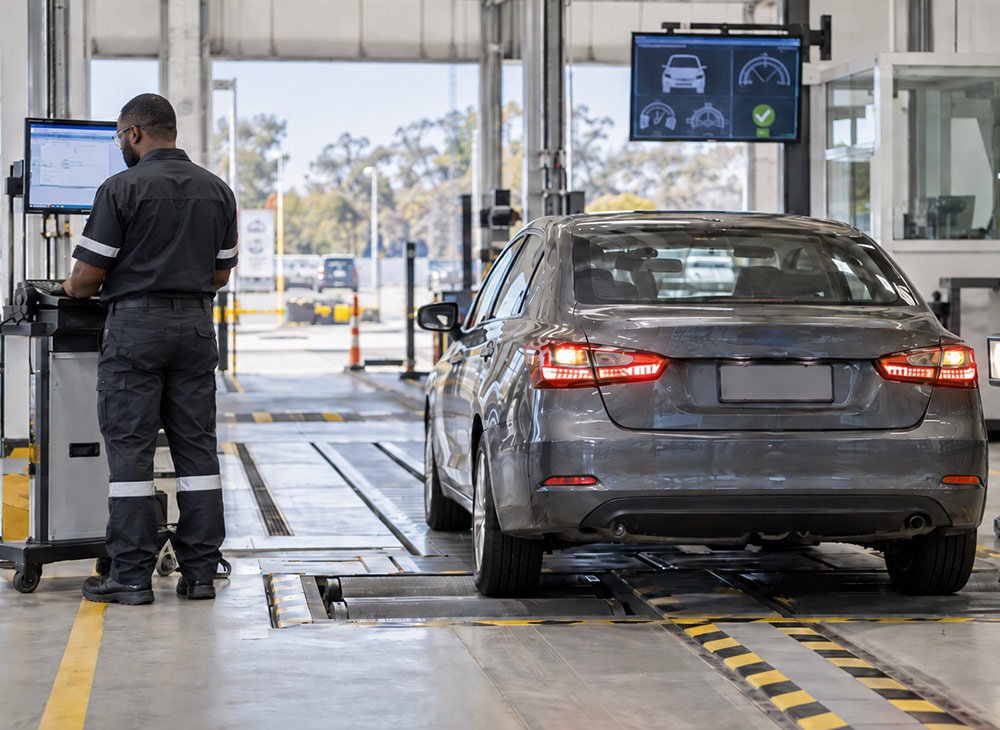
The Dominican Republic is moving toward implementation of its long-awaited Vehicle Technical Inspection (ITV) system, while the Association of Vehicle Manufacturers’ Dealers (ACOFAVE) is calling for safeguards designed to ensure that inspections are independent, transparent and technically reliable.
In a letter to Juan Manuel Méndez, director general of the National Institute of Transit and Land Transportation (INTRANT), ACOFAVE said the planned system should not sacrifice quality or credibility for speed. The association specifically called for inspection operators to remain independent from businesses whose vehicles or activities could be subject to inspection.
Independence At The Center Of The Proposal
ACOFAVE said companies operating inspection stations should have no corporate or operational ties to vehicle dealers, importers, repair shops, insurers, transport operators or other parties with a direct interest in the outcome of an inspection. The objective is to reduce potential conflicts of interest and strengthen confidence in the results.
The association said the same safeguards should apply regardless of whether the system is established through a public-private partnership or through a tender managed directly by INTRANT. Among its proposals are demonstrated experience operating inspection stations, independent auditing and quality-control mechanisms, standardized technical criteria and measures to prevent conflicts of interest.
The request comes as the government continues to frame road safety as a national policy priority. In November 2024, President Luis Abinader signed Decree 656-24 declaring road safety a matter of high national interest and establishing the process for the National Road Safety Plan 2025-2030. The framework specifically included implementation of the ITV among the reforms contemplated under Law 63-17.
A System Required By Law
Article 166 of Law 63-17 establishes an annual technical inspection requirement for motor vehicles more than three years after manufacture. The inspection is intended to determine whether vehicles meet technical and mechanical conditions necessary for safe operation, while also addressing standards for pollutant and noise emissions.
Nearly a decade after the law was enacted, the inspection system has yet to be fully implemented. That delay has kept vehicle condition and emissions controls among the unresolved elements of the country’s broader road-safety framework.
ACOFAVE’s executive director, Yris Nelsi González, said the implementation of the ITV should be treated as an urgent measure for road safety and environmental protection. She also stressed that the process should be technically sound, transparent and free from conflicts of interest.
Road Safety Remains A Major Challenge
The push for vehicle inspections comes amid continued concern over traffic fatalities in the Dominican Republic. Government officials have cited roughly 3,000 traffic deaths annually, while the National Road Safety Plan 2025-2030 is intended to strengthen coordination, enforcement and monitoring across the country’s road-safety system.
In March 2025, INTRANT said the new national plan was being developed through consultations involving government agencies, the private sector, civil society, transport groups and other stakeholders. The process was designed to establish priorities and indicators for reducing deaths and injuries caused by road crashes.
For vehicle owners, the eventual introduction of the ITV would add a formal recurring assessment of vehicles to the country’s regulatory framework. For the automotive sector, the structure of the inspection network could also affect how vehicles are maintained, repaired and brought into compliance with safety and emissions requirements.
ACOFAVE Calls For A Clear Implementation Schedule
Beyond the technical requirements, ACOFAVE is asking authorities to publish a verifiable timetable identifying the stages, responsible parties and deadlines for putting the inspection system into operation. Such a schedule would allow vehicle owners, businesses and other stakeholders to prepare for the new requirements.
The association said it is prepared to provide technical support to authorities as the system is developed. Its proposal places particular emphasis on independent oversight and standardized procedures, which would be central to ensuring that inspection results are consistent across different stations.
The Dominican Republic’s broader road-safety strategy has also included measures such as stronger enforcement, driver education and the introduction of a points-based licensing system. The ITV is therefore being positioned as one component of a wider effort to improve road safety and vehicle regulation rather than as a standalone measure.
The next key step will be determining how the inspection network is structured, who will operate it and when inspections will become mandatory in practice. Until those details and an implementation timetable are established, the country’s legally required vehicle inspection system remains an important pending component of its road-safety framework.