 25°C
25°C

Automotive Industry in the Dominican Republic: A Complete Guide
The automotive industry in the Dominican Republic plays a vital role in the country's economy, supporting commerce, transportation, employment, and international trade. From imported passenger vehicles and commercial fleets to automotive parts distribution, repair services, and the emerging electric mobility sector, the industry has evolved into a complex ecosystem shaped by consumer demand, government regulation, and regional economic integration. This guide explains how the Dominican automotive market works, who the main participants are, and the factors that continue to influence its development.



The Dominican Republic has one of the largest automotive markets in the Caribbean. A growing economy, expanding middle class, tourism industry, logistics sector, and increasing urbanization have all contributed to sustained demand for vehicles and automotive services.
Unlike countries with large domestic automobile manufacturing industries, the Dominican Republic relies primarily on imported vehicles. Nevertheless, the automotive sector generates significant economic activity through importation, distribution, financing, insurance, maintenance, repairs, aftermarket parts, fuel distribution, and transportation services.
The industry serves a wide range of customers, including private motorists, businesses, government agencies, public transportation operators, construction companies, tourism providers, and logistics firms.
Overview of the Dominican Automotive Industry
The Dominican automotive industry is composed of several interconnected sectors rather than a single manufacturing base. Together, these sectors create thousands of jobs and contribute to both domestic commerce and international trade.
Its principal components include:
- Vehicle importers
- Authorized brand distributors
- Independent dealerships
- Commercial vehicle suppliers
- Automotive financing companies
- Insurance providers
- Repair and maintenance workshops
- Auto parts wholesalers and retailers
- Tire distributors
- Fuel suppliers
- Vehicle inspection and registration services
- Electric vehicle infrastructure providers
These businesses collectively support one of the country’s most important consumer markets while also enabling tourism, trade, agriculture, manufacturing, and public transportation.
Why the Automotive Sector Is Important
Motor vehicles are essential to daily life in the Dominican Republic. Although public transportation exists in major urban areas, many residents and businesses depend on private vehicles for mobility.
The automotive industry supports multiple sectors of the economy, including:
- Tourism transportation
- Freight and logistics
- Agriculture
- Construction
- Retail distribution
- Public transportation
- Emergency services
- Government operations
Because of this broad economic impact, developments affecting the automotive sector often influence many other industries as well.
Vehicle Imports Drive the Market
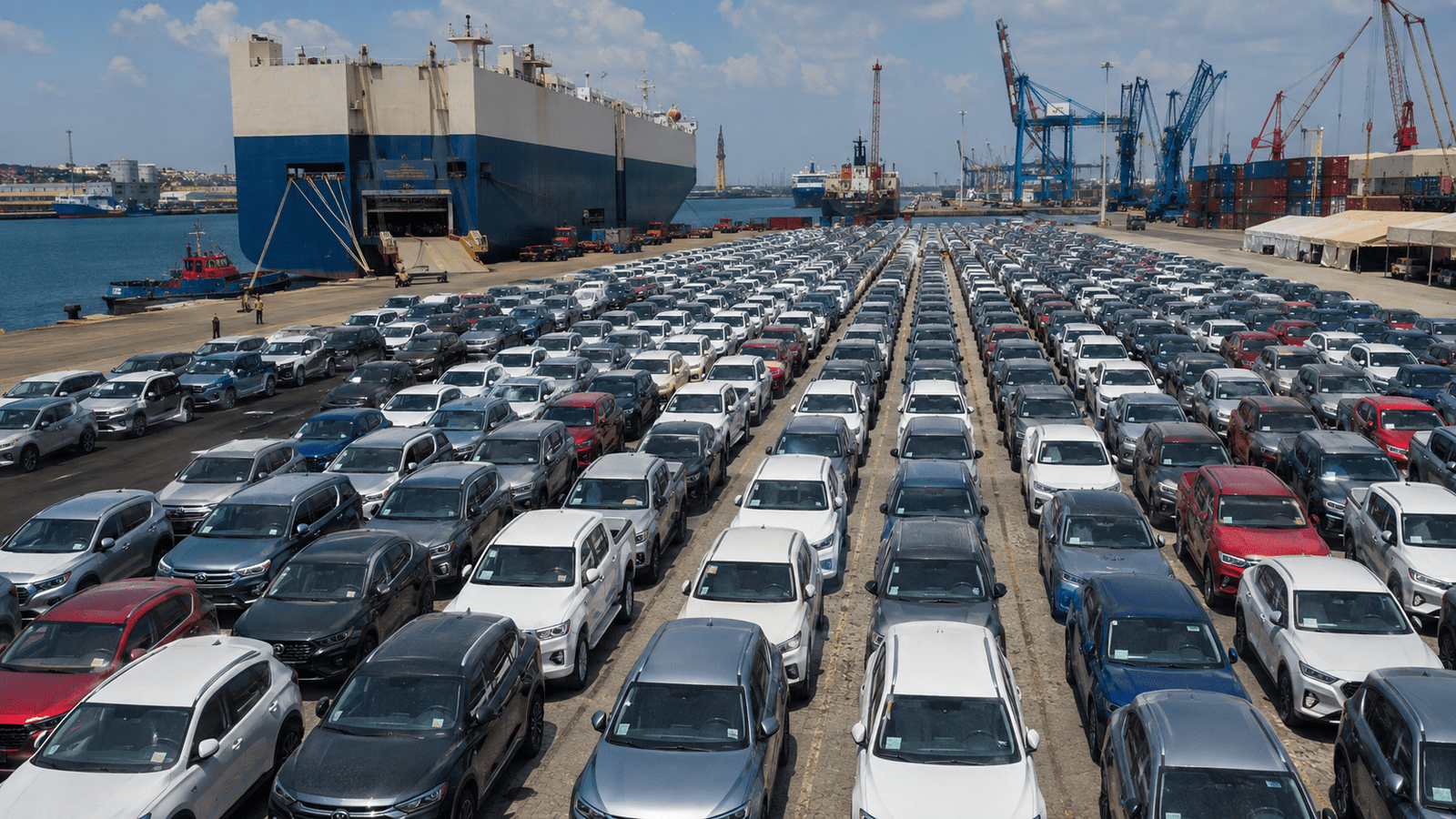
The Dominican Republic imports the vast majority of its motor vehicles. Passenger cars, SUVs, pickup trucks, buses, motorcycles, heavy-duty trucks, and specialized commercial equipment arrive from multiple international markets.
Historically, imported used vehicles have represented a significant portion of the market, while new vehicle sales remain concentrated among authorized distributors representing global automotive manufacturers.
Vehicle imports originate from several regions, including North America, Asia, and Europe. Consumer preferences often reflect factors such as purchase price, fuel economy, durability, availability of replacement parts, and resale value.
New Vehicle Market
The new vehicle segment consists primarily of officially authorized distributors representing international automobile manufacturers.
These distributors typically provide:
- Manufacturer warranties
- Certified maintenance services
- Original replacement parts
- Vehicle financing options
- Technical support
- Recall campaigns when applicable
New vehicle buyers often prioritize reliability, after-sales support, financing availability, and long-term ownership costs over the initial purchase price alone.
Used Vehicle Market
The used vehicle market is substantially larger than the new vehicle segment and serves a wide range of buyers with different budgets.
Independent dealerships, vehicle importers, and private sellers all contribute to this highly active market.
Popular categories include:
- Compact passenger cars
- Sedans
- Sport utility vehicles (SUVs)
- Pickup trucks
- Commercial vans
- Light-duty trucks
Because purchasing a used vehicle involves additional considerations regarding condition, maintenance history, and legal documentation, buyers generally benefit from mechanical inspections before completing a transaction.
Commercial Vehicles
Commercial transportation represents an essential segment of the Dominican automotive industry.
Businesses across the country depend on commercial vehicles for logistics, construction, agriculture, tourism, manufacturing, and retail distribution.
The commercial fleet includes:
- Delivery vans
- Heavy trucks
- Refrigerated transport
- Construction equipment
- Tour buses
- Minibuses
- Utility vehicles
Fleet operators often evaluate vehicles based on operating costs, durability, maintenance requirements, fuel efficiency, and availability of replacement components.
Motorcycles and Two-Wheel Transportation
Motorcycles play a particularly important role in Dominican transportation. They are widely used for personal mobility, commercial deliveries, and passenger transportation in many parts of the country.
The sector supports numerous importers, dealerships, repair shops, parts suppliers, and specialized service providers.
Motorcycle ownership has become an important component of urban and rural transportation due to comparatively lower acquisition and operating costs.
Automotive Parts and Aftermarket Services
The aftermarket industry is one of the largest segments of the Dominican automotive economy.
Vehicle owners rely on an extensive network of businesses supplying:
- Engine components
- Brake systems
- Suspension parts
- Electrical systems
- Batteries
- Tires
- Lubricants
- Filters
- Body components
- Accessories
Because the national vehicle fleet includes many different brands and model years, parts distributors often maintain broad inventories to meet market demand.
Repair and Maintenance Industry
The maintenance and repair sector supports vehicle owners throughout the country. Services range from routine maintenance to specialized diagnostics and major mechanical repairs.
Repair facilities include:
- Authorized service centers
- Independent repair garages
- Body shops
- Tire specialists
- Electrical repair shops
- Transmission specialists
- Air-conditioning technicians
As vehicles incorporate more advanced electronic systems, diagnostic technology and technician training have become increasingly important within the industry.
Vehicle Financing in the Dominican Republic
Financing has become a key driver of vehicle ownership in the Dominican Republic. Banks, finance companies, and authorized dealerships offer a range of credit products for both new and used vehicles, making car ownership more accessible to individuals and businesses.
Loan conditions generally vary according to factors such as the buyer’s credit history, income, employment status, the age of the vehicle, and the amount of the down payment. Commercial fleets may also obtain financing tailored to business operations.
Many dealerships work directly with financial institutions to streamline the purchasing process, allowing customers to complete vehicle selection, financing, and registration through coordinated services.
Vehicle Insurance
Insurance is an essential component of vehicle ownership in the Dominican Republic. Every registered vehicle must comply with the country’s minimum legal insurance requirements, while many owners choose broader coverage to protect against accidents, theft, weather damage, or liability claims.
Insurance products commonly include:
- Mandatory liability coverage
- Comprehensive insurance
- Collision coverage
- Theft protection
- Roadside assistance
- Natural disaster coverage
Premiums vary depending on the driver’s profile, the vehicle’s value, usage, location, and repair costs.
Government Regulation and Registration
The automotive sector operates within a regulatory framework that governs vehicle imports, registration, taxation, road safety, licensing, and environmental compliance.
Vehicle owners must complete registration procedures before legally operating on public roads. Imported vehicles are also subject to customs procedures and applicable taxes before entering the domestic market.
Government agencies oversee different aspects of the automotive sector, including customs administration, vehicle registration, driver licensing, transportation policy, and road safety enforcement.
Vehicle Inspection and Roadworthiness
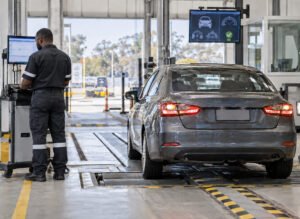
Maintaining roadworthy vehicles is important for public safety and environmental protection. Vehicle owners are responsible for ensuring that their cars meet applicable technical and legal requirements.
Routine maintenance helps improve:
- Road safety
- Fuel efficiency
- Vehicle reliability
- Environmental performance
- Resale value
Preventive maintenance also reduces long-term ownership costs by addressing mechanical issues before they become major repairs.
Automotive Employment
The automotive industry supports employment across numerous professional fields. While manufacturing represents only a limited portion of the sector, the broader automotive ecosystem creates thousands of direct and indirect jobs.
Career opportunities include:
- Sales professionals
- Automotive technicians
- Mechanical engineers
- Body repair specialists
- Auto electricians
- Parts managers
- Fleet managers
- Insurance specialists
- Logistics professionals
- Vehicle inspectors
Growing technological complexity has increased demand for workers trained in diagnostics, electronics, hybrid systems, and electric vehicle maintenance.
The Growing Electric Vehicle Market
Electric vehicles (EVs) are gradually gaining market share in the Dominican Republic as consumers, businesses, and policymakers place greater emphasis on energy efficiency and lower operating costs.
Although internal combustion engine vehicles continue to dominate the national fleet, interest in battery-electric and plug-in hybrid models has increased steadily in recent years.

Several factors are contributing to this transition, including:
- Lower fuel expenses
- Reduced maintenance requirements
- Expanding charging infrastructure
- Greater model availability
- Corporate sustainability initiatives
The pace of adoption remains influenced by vehicle prices, charging accessibility, consumer awareness, and future policy developments.
Charging Infrastructure
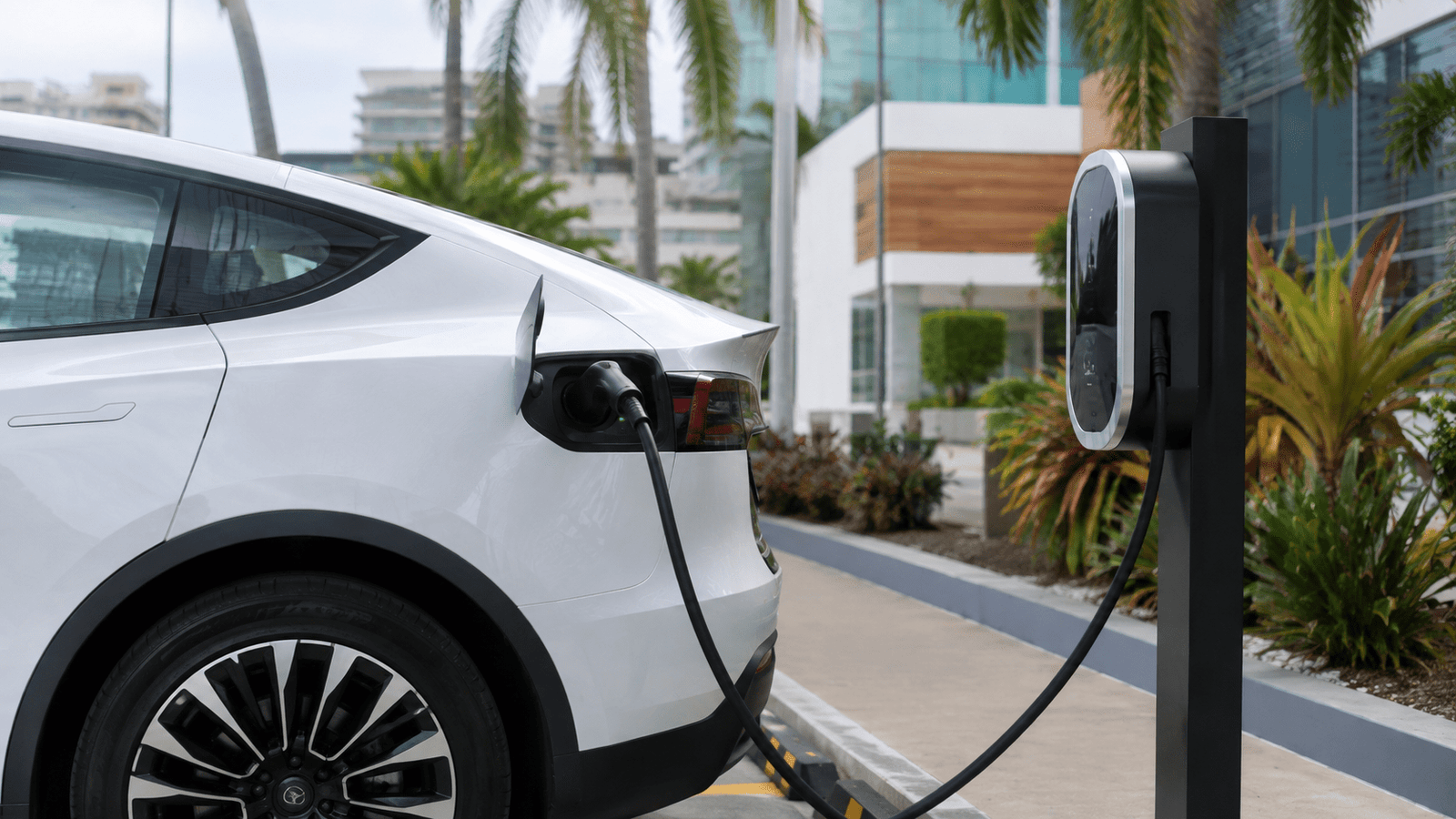
The expansion of charging infrastructure is an important component of electric mobility. Public and private organizations have invested in charging stations located in urban areas, commercial centers, highways, hotels, and business facilities.
Most EV owners also rely on residential charging solutions for everyday use, while fast-charging stations support longer-distance travel and commercial operations.
Continued investment in charging networks is expected to improve convenience and encourage broader adoption of electric vehicles across the country.
Automotive Technology and Digital Transformation
Digital technologies are reshaping many areas of the Dominican automotive industry. Consumers increasingly research vehicles online, compare financing options, schedule maintenance appointments, and purchase replacement parts through digital platforms.
Dealerships and service providers are also adopting technologies such as:
- Online inventory management
- Digital service scheduling
- Electronic maintenance records
- Remote diagnostics
- Customer relationship management systems
- Fleet management software
These innovations improve operational efficiency while enhancing the customer experience.
Fleet Management
Businesses operating multiple vehicles increasingly rely on professional fleet management practices to reduce operating costs and improve productivity.
Fleet management typically includes:
- Vehicle acquisition planning
- Preventive maintenance scheduling
- Fuel consumption monitoring
- Driver management
- GPS tracking
- Lifecycle cost analysis
- Vehicle replacement planning
Fleet optimization has become especially important for logistics companies, delivery services, tourism operators, construction firms, and government agencies.
The Role of the Automotive Industry in Tourism
Tourism is one of the Dominican Republic’s largest economic sectors, creating significant demand for automotive products and services.
Rental car companies, airport transportation providers, hotel shuttle operators, tour companies, and excursion businesses depend on reliable vehicle fleets to serve millions of visitors each year.
The tourism industry‘s demand influences purchasing decisions across multiple vehicle categories, including passenger cars, SUVs, minibuses, coaches, and specialty transport vehicles designed for resort and excursion operations.
Challenges Facing the Dominican Automotive Industry
Despite its continued growth, the Dominican automotive industry faces a number of structural and economic challenges that influence businesses, consumers, and policymakers alike.
Among the most significant challenges are:
- Fluctuations in international vehicle prices.
- Exchange rate volatility affecting import costs.
- Global supply chain disruptions.
- Rising shipping and logistics expenses.
- Increasing technological complexity of modern vehicles.
- The need for continuous technical workforce training.
- Urban traffic congestion in major metropolitan areas.
- Expanding infrastructure requirements for electric mobility.
Addressing these issues requires collaboration between government institutions, importers, distributors, financial institutions, infrastructure providers, and the private sector.
Opportunities for Growth
Several long-term trends suggest continued opportunities for expansion within the Dominican automotive market.
Growing household incomes, ongoing infrastructure development, increased tourism activity, expanding logistics operations, and the modernization of commercial transportation continue to support demand for new vehicles and automotive services.
Additional growth opportunities include:
- Electric vehicle sales.
- Charging infrastructure development.
- Fleet modernization.
- Automotive software and digital services.
- Advanced vehicle diagnostics.
- Specialized maintenance for hybrid and electric vehicles.
- Commercial fleet management solutions.
- Automotive financing innovations.
As consumer preferences evolve, businesses that invest in technology, customer service, and technical expertise are likely to remain competitive.
Foreign Investment and International Trade
The Dominican Republic’s strategic location in the Caribbean, combined with its expanding economy and international trade connections, has attracted investment from global automotive brands, distributors, and suppliers.
Foreign investment contributes to:
- Modern dealership facilities.
- Improved after-sales service.
- Professional technician training.
- Expanded parts distribution networks.
- Higher service standards.
- Technology transfer.
International trade agreements also facilitate the importation of vehicles, components, and automotive technologies that support continued market development.
The Future of the Automotive Industry
The Dominican automotive sector is expected to continue evolving as technology, consumer expectations, environmental considerations, and transportation needs change.
Several long-term trends are likely to shape the industry’s future:
- Greater adoption of electric vehicles.
- Improved vehicle connectivity.
- Expansion of smart mobility solutions.
- Digital retail experiences.
- More sophisticated fleet management systems.
- Increasing demand for energy-efficient transportation.
- Growth in advanced driver assistance technologies.
Although internal combustion engine vehicles are expected to remain an important part of the market for years to come, gradual diversification of vehicle technologies will likely redefine many areas of the automotive ecosystem.
Frequently Asked Questions
Does the Dominican Republic manufacture automobiles?
The country does not have a large-scale passenger vehicle manufacturing industry. The market relies primarily on imported vehicles, while domestic automotive activity focuses on distribution, sales, maintenance, repairs, financing, insurance, and aftermarket services.
Where do most vehicles come from?
Vehicles are imported from several international markets, including North America, Asia, and Europe. The mix varies depending on consumer demand, commercial requirements, and international trade conditions.
Are electric vehicles becoming more popular?
Yes. Electric vehicle adoption has increased steadily as charging infrastructure expands and consumers seek lower operating costs and improved energy efficiency.
What types of vehicles are most popular?
Passenger cars, sport utility vehicles (SUVs), pickup trucks, motorcycles, commercial vans, and light trucks represent some of the largest segments of the Dominican automotive market.
Why is the automotive industry important to the Dominican economy?
Beyond vehicle sales, the industry supports transportation, tourism, logistics, construction, agriculture, retail distribution, financial services, insurance, and thousands of jobs across multiple sectors.
Conclusion
The automotive industry in the Dominican Republic extends far beyond the sale of new and used vehicles. It is a dynamic economic sector that supports national mobility, facilitates commerce, enables tourism, and connects businesses with regional and global markets. As the country continues to modernize its transportation infrastructure and embrace emerging technologies such as electric mobility and digital automotive services, the sector is expected to remain a key contributor to economic development. For consumers, investors, and businesses alike, understanding how the Dominican automotive market operates provides valuable insight into one of the country’s most important and steadily evolving industries.