 25°C
25°C
Raising Children in the Dominican Republic as an Expat: What Families Should Expect
Raising children abroad is about much more than finding a new home—it means adapting to a different education system, cultural expectations and daily routines. In the Dominican Republic, expatriate families often discover a welcoming, family-oriented society, but they also face important decisions, particularly when it comes to schooling. Understanding how Dominican family life and education work can help parents make informed choices before relocating.


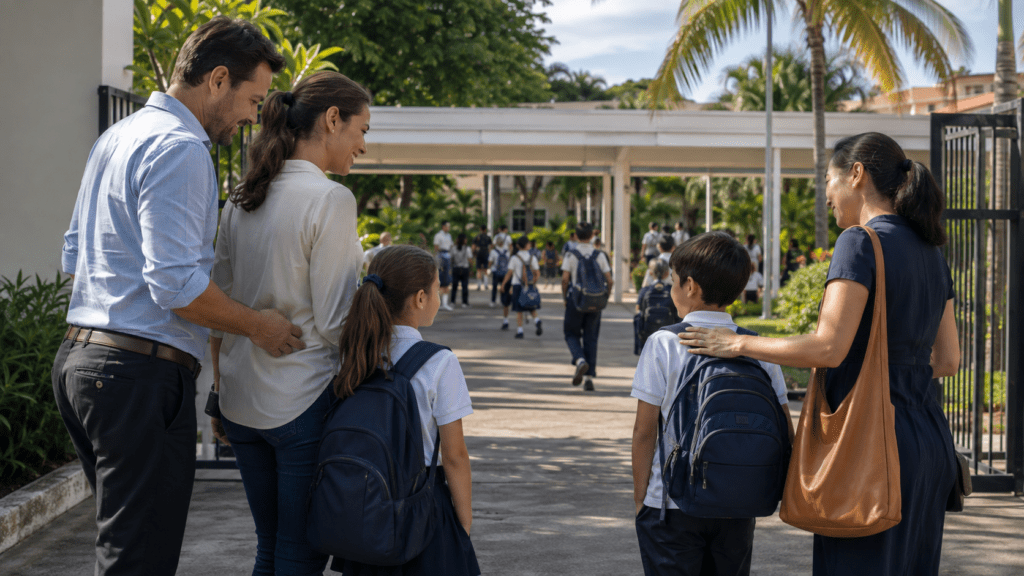
For many expatriates, one of the biggest concerns before moving to the Dominican Republic is how their children will adapt. Will they make friends easily? What kind of education will they receive? How different is family life from their home country?
The answers depend largely on where you live, your family’s expectations and the type of school you choose. While Dominican society is generally very welcoming toward children, the education system differs significantly from those in North America and Europe, making school selection one of the most important decisions for foreign families.
A Family-Oriented Culture
Children occupy a central place in Dominican society. Families tend to spend considerable time together, and it is common to see children accompanying their parents to restaurants, shopping centers, parks and social gatherings.
Grandparents, aunts, uncles and cousins often play an active role in childcare, creating a strong sense of community that many expatriates appreciate after moving to the country.
For children arriving from abroad, this family-centered culture can make social integration easier, particularly in neighborhoods where outdoor play and interaction with neighbors remain common.
School Is Usually the First Major Decision
Choosing the right school is often the greatest challenge for expatriate parents.
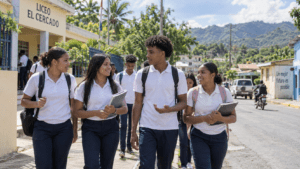
The Dominican Republic offers three main educational options:
- Public schools.
- Private Dominican schools (colegios).
- International schools following foreign curricula.
Although public education is free, many expatriate families opt for private or international schools, particularly if they plan to remain in the country for several years or expect their children to continue their education abroad in the future.
Public Schools: What Expat Families Should Know
The Dominican public education system has expanded considerably over the past decade through investments in infrastructure, extended school hours and educational reforms. However, educational outcomes continue to vary significantly depending on the region, available resources and individual schools.
For this reason, relatively few expatriate families enroll their children in public schools. The main challenges are usually practical rather than legal and include:
- Instruction conducted almost entirely in Spanish.
- Differences in teaching methods compared with foreign education systems.
- Variation in academic standards between schools.
- Limited continuity for children who may later return to another country’s education system.
Families planning only a temporary stay often find these factors make adaptation more difficult for their children.
Why Most Expats Choose Private Schools
Private education plays a major role in the Dominican Republic and is generally the preferred option for middle-class Dominican families and expatriates seeking smaller class sizes, additional language instruction and broader extracurricular opportunities.
Private schools vary enormously. Some follow the Dominican national curriculum, while others provide bilingual education or international academic programs.
Parents should not assume that every private school offers the same academic standards. Visiting campuses, speaking with teachers and reviewing accreditation are important steps before making a decision.
International Schools
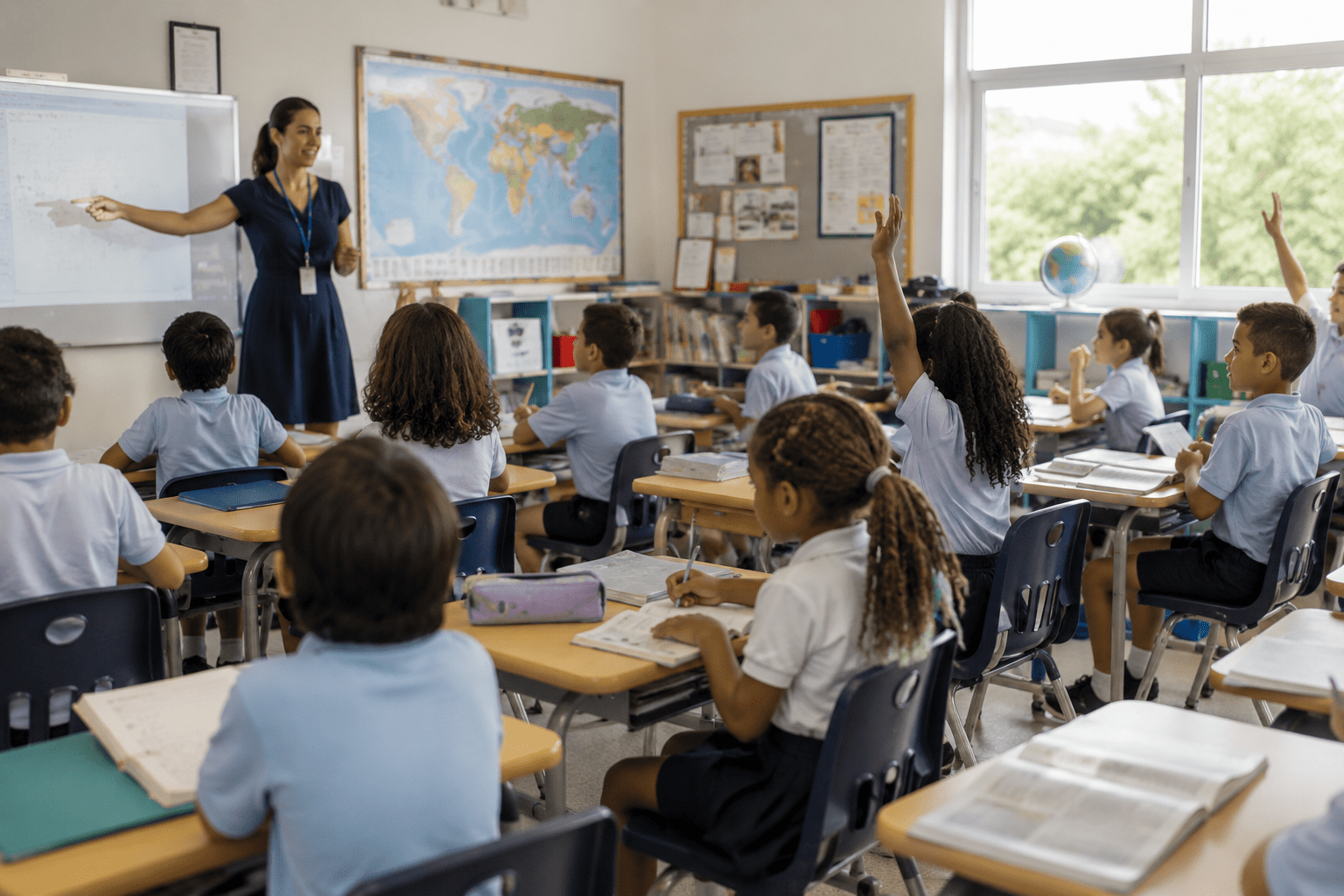
Families expecting future international relocations frequently choose international schools.
These institutions commonly offer:
- American curriculum.
- British curriculum.
- International Baccalaureate (IB).
- Bilingual education in English and Spanish.
International schools are concentrated mainly in Santo Domingo, Santiago, Punta Cana and several coastal communities with significant expatriate populations. They provide educational continuity that can make future moves considerably easier for internationally mobile families.
How Much Does School Cost?
Education is often one of the largest expenses for expatriate families living in the Dominican Republic.
Costs vary widely depending on the school, its location and curriculum.
| School Type | Typical Cost |
|---|---|
| Public schools | Free of tuition, although families still pay for uniforms and supplies. |
| Private Dominican schools | Monthly tuition varies considerably depending on prestige and location. |
| International schools | Often range from approximately US$5,000 to more than US$15,000 per year, with additional fees for registration, uniforms and activities. Premium schools may charge even more. |
Because tuition changes regularly, families should always request updated fee schedules directly from each school before preparing their relocation budget.
Language and Cultural Adaptation
Children often adapt to new languages much faster than adults.
Young expatriates attending bilingual or Spanish-speaking schools frequently become conversational within months through daily interaction with classmates.
At home, many families choose to continue speaking their native language while allowing Spanish to develop naturally at school and through friendships. This bilingual environment can become one of the long-term advantages of growing up in the Dominican Republic.
Growing Up Between Two Cultures
One of the greatest advantages of expatriate life is the opportunity for children to develop a multicultural identity. Young people who grow up in the Dominican Republic while maintaining ties to another country often become comfortable navigating different languages, traditions and social environments.
Many families celebrate local holidays alongside those from their country of origin, creating traditions that combine both cultures. Children may feel Dominican in some aspects of their daily lives while continuing to identify strongly with their family’s heritage.
This dual cultural identity often becomes a valuable personal and professional asset later in life.
Daily Life Outside School
Children in the Dominican Republic generally spend a great deal of time outdoors compared with many highly urbanized countries, particularly in residential neighborhoods and smaller cities.
After school, many participate in:
- Sports such as baseball, basketball and football (soccer).
- Music and dance classes.
- Family gatherings.
- Church or community activities.
- Trips to parks, beaches and public recreational areas.
The warm climate allows outdoor activities throughout most of the year, although parents should take precautions during periods of intense heat and ensure children remain well hydrated.
Discipline and Parenting Styles
Parenting approaches vary widely from one Dominican family to another, just as they do elsewhere. Nevertheless, many expatriates notice that family relationships often involve close supervision by parents and extended relatives.
Respect for older family members is traditionally emphasized, and children are generally expected to greet adults politely and participate in family events.
Foreign families usually adapt these customs according to their own parenting philosophy, often blending local traditions with values from their home country.
Making Friends
Children typically adapt more quickly than adults after relocating abroad.
School is usually the primary place where friendships develop, but sports clubs, music lessons and neighborhood activities also provide opportunities to build social connections.
In areas with established expatriate communities, children often form friendships with classmates from several different nationalities while also integrating with Dominican families.
This international environment can help develop confidence, language skills and cultural awareness from an early age.
Healthcare and Child Well-Being
Families moving to the Dominican Republic should also consider access to pediatric healthcare when choosing where to live.
Major cities such as Santo Domingo and Santiago offer private hospitals and pediatric specialists comparable to those found in many developed countries. Smaller towns may provide more limited specialist care, making private health insurance an important consideration for many expatriates.
Routine vaccinations follow the Dominican national immunization schedule, although international families sometimes continue following the recommendations of their home country after consulting their pediatrician.
Challenges Expat Parents Commonly Face
Although many families enjoy raising children in the Dominican Republic, several practical challenges appear repeatedly among expatriate communities:
- Selecting a school that matches future educational goals.
- Managing private school tuition and additional educational costs.
- Helping children adapt to Spanish if they arrive without prior knowledge of the language.
- Maintaining connections with family members living abroad.
- Balancing two cultures without children feeling disconnected from either.
Most of these challenges become easier with time as children establish routines and develop friendships.
Frequently Asked Questions
Do most expatriate children attend public schools?
No. While public education is available, most expatriate families choose private or international schools because of language, curriculum and educational continuity.
Is private education expensive?
It can be one of the largest expenses for expatriate families. Tuition varies considerably depending on the school and the curriculum offered.
Will my child need to speak Spanish?
For public schools, Spanish is essential. Many private and international schools offer bilingual programs that allow children to develop Spanish gradually while continuing their education in English or another language.
Is it difficult for children to adapt?
Most children adapt surprisingly well, particularly younger ones. School, sports and neighborhood activities usually help them build friendships quickly.
Can children maintain their original culture while living in the Dominican Republic?
Yes. Many expatriate families successfully combine traditions from their home country with Dominican customs, allowing children to grow up feeling connected to both cultures.
Final Thoughts
For expatriate families, raising children in the Dominican Republic offers a combination of opportunities and important decisions. The country’s family-oriented culture, warm climate and welcoming communities can provide an enriching environment for childhood. At the same time, choosing the right school is often the single most significant factor influencing a family’s overall experience.
Parents who carefully evaluate educational options, encourage bilingual development and embrace both local and family traditions are often well positioned to help their children thrive while growing up between two cultures.