 25°C
25°C

Cost of Living in the Dominican Republic: A Complete Guide for Expats and New Residents
The Dominican Republic is often perceived as an affordable Caribbean destination, but the reality depends largely on where you choose to live and the lifestyle you expect. Housing, private education and healthcare can represent significant expenses, while transportation and many local services remain comparatively inexpensive. Understanding how everyday costs vary across the country is essential for anyone planning to relocate or retire in the Dominican Republic.



One of the first questions prospective expatriates ask is simple: How much does it really cost to live in the Dominican Republic?
The answer depends on several factors, including the city, neighborhood, housing standards and whether you intend to live like a local or maintain a lifestyle similar to that of North America or Western Europe.
While everyday expenses such as public transportation remain relatively affordable, accommodation in desirable neighborhoods has become significantly more expensive in recent years. Likewise, families with children often discover that private education represents one of the largest items in their monthly budget.
This guide examines the principal costs expatriates should expect when relocating to the Dominican Republic.
Is the Dominican Republic Expensive?
Compared with many countries in North America and Western Europe, the Dominican Republic generally offers a lower overall cost of living. However, imported products, international schools, private healthcare and housing in premium neighborhoods can approach prices found in developed countries.
For many expatriates, the country offers good value rather than simply being “cheap.” Living comfortably often depends more on lifestyle choices than on average national prices.
Housing Costs
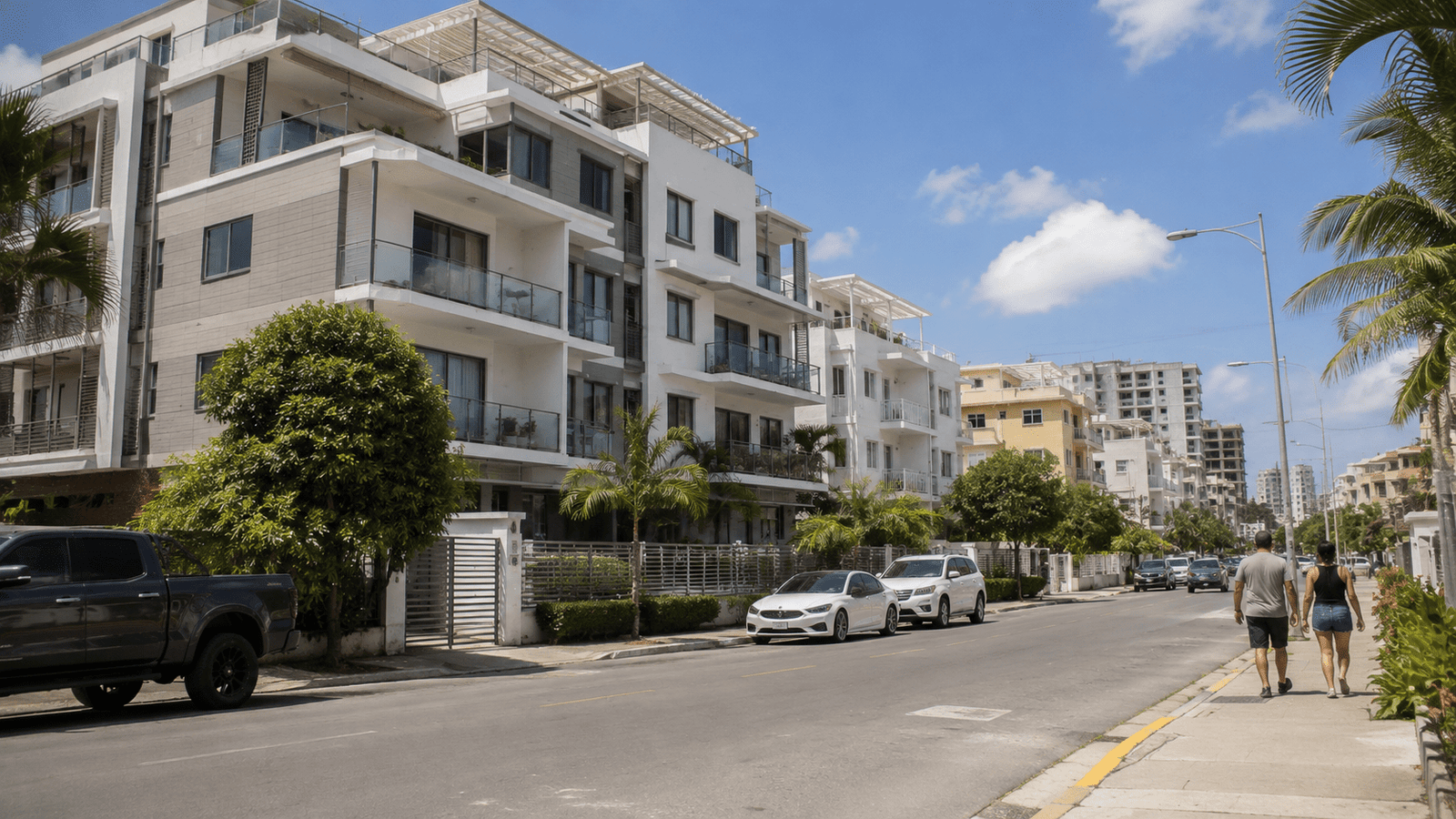
Accommodation is usually the largest monthly expense.
Rental prices vary enormously depending on location. Santo Domingo, Punta Cana, Las Terrenas and Cabarete generally command the highest rents, while smaller cities and inland towns remain considerably more affordable.
Renting a Property
As a general guide:
| Property Type | Typical Monthly Rent |
|---|---|
| Three-bedroom apartment in an outlying area | From around RD$13,500 (approximately US$250), depending on location and condition. |
| Apartment in a desirable residential neighborhood | From approximately RD$25,000 (around US$450), with prices increasing substantially in central districts. |
| Modern apartment in central Santo Domingo or premium neighborhoods | Frequently US$800 per month or considerably more, depending on size, amenities and location. |
Market data also shows significant regional differences, with furnished apartments in standard neighborhoods often renting from around RD$26,000 per month, while comparable accommodation in high-demand areas can exceed RD$80,000.
Buying Property
Purchase prices have also increased steadily in many parts of the country.
Typical market ranges include:
- One-bedroom apartments from approximately US$80,000.
- Three-bedroom apartments in desirable urban areas frequently starting around US$170,000.
- Properties outside major cities may cost considerably less.
- Government-supported affordable housing developments occasionally offer homes from approximately RD$4 million, subject to eligibility requirements and availability.
As with rentals, location has a greater influence on price than almost any other factor.
Transportation Costs
Public transportation remains one of the most affordable aspects of daily life in the Dominican Republic.
| Transport | Typical Cost |
|---|---|
| Local bus or guagua | Approximately RD$35–50 per journey. |
| Santo Domingo Metro | Approximately RD$20–25 per trip. |
| Taxi | Usually from RD$250 for short journeys, with longer trips costing more. |
Ride-hailing services such as Uber are widely available in Santo Domingo, Santiago and Punta Cana, with fares depending on demand, distance and traffic conditions.
Groceries and Food

Food expenses depend largely on shopping habits.
Families purchasing mostly local products and seasonal fruit and vegetables can keep grocery costs relatively low, particularly by shopping in public markets rather than supermarkets.
A household of four adults purchasing mostly basic necessities typically spends between RD$15,000 and RD$25,000 per month on groceries, although imported products, premium supermarkets and frequent dining out can increase this figure substantially.
Staple products such as rice, vegetables, chicken and locally produced fruit remain relatively affordable, while imported foods, international brands and specialty products often carry significantly higher prices.
Eating Out
Restaurant prices range from inexpensive local eateries serving traditional Dominican meals to high-end international restaurants in tourist areas and upscale neighborhoods.
A family outing or a day at the beach that includes lunch can represent a significant expense. For example, a meal for six adults and two children at a beachfront restaurant may easily exceed RD$14,000, depending on the venue and menu choices.
More modest local restaurants, known as comedores, remain an economical option for everyday dining.
Healthcare Costs
Healthcare expenses vary depending on whether you are covered by public social security, private insurance or pay directly for medical services.
Private Health Insurance
Employees working for Dominican companies are often enrolled in the country’s mandatory health insurance system through payroll contributions. Expatriates who are self-employed, retired or working remotely usually purchase private medical insurance instead.
Premiums depend on several factors, including:
- Age.
- Level of coverage.
- Insurance provider.
- Pre-existing medical conditions.
International health insurance policies generally cost more than local Dominican plans but usually provide broader coverage and access to treatment outside the country.
Medical Consultations
Without private insurance, consultations with doctors typically cost between RD$2,000 and RD$3,000, although specialists may charge considerably more depending on their field and the medical facility.
Private hospitals in Santo Domingo, Santiago and other major cities generally offer modern facilities, short waiting times and access to specialists trained both locally and abroad.
Education Costs
Families relocating with children should carefully evaluate education costs before moving.
Although public education is available at little or no cost, many expatriates choose private or international schools because of language, academic standards and curriculum continuity.
A standard private Dominican school may cost more than RD$100,000 per academic year in tuition alone. Families should also budget for additional expenses, including:
- Registration fees.
- Uniforms.
- Books and school supplies.
- Transportation.
- Extracurricular activities.
International schools generally charge significantly higher tuition, making education one of the largest recurring expenses for many expatriate households.
Utilities and Household Expenses
Monthly utility bills vary according to household size, location and electricity consumption.
| Utility | Typical Monthly Cost |
|---|---|
| Electricity | Approximately RD$2,000–3,000, although homes with frequent air conditioning use may pay considerably more. |
| Cooking gas (LPG) | A standard cylinder refill generally costs around RD$3,000, depending on cylinder size and fuel prices. |
| Water | Usually inexpensive when billed separately and often included in condominium maintenance fees. |
| Internet | Approximately US$40–60 per month, depending on speed and provider. |
| Mobile phone | Monthly contracts generally range between RD$1,000 and RD$2,000, while prepaid users often spend considerably less. |
Many providers offer bundled packages that combine internet, television and landline telephone services at discounted monthly rates.
Condominium Maintenance Fees
People living in apartments should also consider monthly condominium maintenance charges, which are common throughout the country.
These fees often include:
- Building security.
- Cleaning of common areas.
- Gardening.
- Swimming pool maintenance.
- Backup power generators.
- Elevator servicing.
Maintenance fees typically range from approximately RD$1,500 to RD$8,000 per month, although luxury residential developments may charge considerably more depending on the amenities provided.
Other Everyday Expenses
Beyond housing and utilities, expatriates should also budget for occasional purchases such as household goods, clothing, vehicle maintenance and administrative expenses.
Imported products generally cost more than locally produced alternatives because of shipping costs and import duties. Choosing Dominican brands whenever possible can significantly reduce monthly spending.
Many long-term residents also recommend keeping an emergency fund for unexpected healthcare expenses, vehicle repairs or home maintenance.
Entertainment and Leisure Costs
The Dominican Republic offers leisure activities for virtually every budget. Monthly spending depends largely on personal lifestyle, but many everyday forms of entertainment remain relatively affordable.
Typical examples include:
- Cinema tickets from approximately RD$400 per person, excluding snacks and drinks.
- Concerts and live events, where ticket prices vary widely depending on the artist, venue and seating category.
- Sporting events, festivals and cultural performances with prices ranging from inexpensive local events to international productions.
- Weekend trips to beaches, mountains or nearby towns, where the main expenses are transportation, food and optional activities.
A family outing can vary considerably in cost. For example, lunch at a beachfront restaurant for six adults and two children can easily exceed RD$14,000, particularly in popular tourist destinations.
Sample Monthly Budget
The following example illustrates the approximate monthly expenses for a couple or small family living comfortably in a middle-class neighborhood. Actual costs will vary depending on location, lifestyle and housing choices.
| Expense | Estimated Monthly Cost |
|---|---|
| Rent | US$450–900+ |
| Groceries | US$270–450 |
| Utilities and Internet | US$120–180 |
| Transportation | US$50–150 |
| Healthcare | Depends on insurance and medical needs. |
| Entertainment | Variable according to lifestyle. |
Families with children attending private or international schools should also include education costs, which can easily become the second-largest household expense after housing.
Frequently Asked Questions
Is the Dominican Republic cheaper than the United States or Western Europe?
In general, yes. Local transportation, domestic food products and many everyday services are considerably less expensive. However, imported goods, premium housing, international schools and private healthcare can cost amounts comparable to those in developed countries.
What is usually the largest monthly expense?
Housing is typically the biggest expense for most expatriates, followed by private education for families with children.
Can foreigners live comfortably on a moderate budget?
Many expatriates do. Careful housing choices, shopping for local products and adapting to local spending habits can significantly reduce monthly living costs.

Are utility bills expensive?
Electricity costs can increase substantially in homes that rely heavily on air conditioning, particularly during the hottest months of the year. Water, internet and mobile services generally remain affordable by international standards.
Do I need to budget for additional housing costs?
Yes. Apartment owners and tenants living in condominium developments should include monthly maintenance fees, which vary according to the building’s services and amenities.
Final Thoughts
The Dominican Republic can offer an attractive balance between affordability and quality of life, but the overall cost of living depends largely on personal expectations and lifestyle choices. While transportation, local food and many everyday services remain reasonably priced, housing in desirable areas, private healthcare and education require careful financial planning.
Preparing a realistic budget before relocating is the best way to avoid unexpected expenses. By understanding how costs vary between regions and identifying the services that matter most to your household, expatriates can make informed decisions and enjoy a smoother transition to life in the Dominican Republic.