 24°C


Dominican Republic Urges Employers to Ease Work Schedules as Heavy Rains Trigger Flood Alerts
The Dominican Ministry of Labor has urged employers to adopt flexible work arrangements for employees affected by heavy rains and flooding, prioritizing worker safety in provinces under weather alerts as authorities warn of continued rainfall through Friday.



The Dominican Republic’s Ministry of Labor has urged employers to introduce flexible working arrangements and provide support to employees affected by severe weather, as heavy rainfall linked to a trough system continues to threaten communities across the country.
In a statement published on social media Tuesday, October 27, the ministry called on employers to pay particular attention to workers living in vulnerable areas or near rivers, streams and drainage channels, as well as those whose daily commutes involve flooded roads or other hazardous routes.
The ministry emphasized that protecting workers’ lives, physical integrity and safety must remain a priority. It also encouraged employers and employees to exercise caution and avoid unnecessary travel when conditions pose a risk.
Authorities Urge Caution Over Flooded Roads
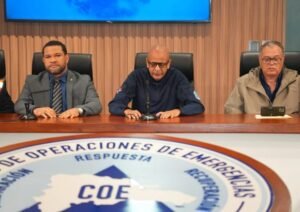
The Ministry of Labor called on businesses and workers to follow official updates issued by the Emergency Operations Center (COE) and the Dominican Institute of Meteorology (Indomet).
The guidance comes as persistent downpours increase the risk of flooding and make commuting more difficult in several areas. Employees who must cross vulnerable roads or travel near waterways may face particular challenges getting to work or returning home safely.
Although the ministry has called for flexibility and consideration, the announcement does not, by itself, establish a blanket nationwide suspension of work. Employers should assess local conditions and take appropriate precautions in line with official alerts and workplace safety obligations.
Twelve Provinces Placed Under Yellow Alert
According to the reported COE bulletin, 12 provinces were under yellow alert because of the weather system. They included Greater Santo Domingo, Monte Plata, San Cristóbal, San José de Ocoa, Peravia, Azua, San Juan, Bahoruco, Barahona, Independencia and Pedernales.
The reported green-alert areas were Dajabón, Elías Piña, La Vega, Monseñor Nouel, Sánchez Ramírez, Hato Mayor and San Pedro de Macorís.
Alert levels indicate the degree of concern associated with potential weather-related impacts and can change as conditions evolve. Residents and travelers should check the latest official COE announcements rather than relying exclusively on an earlier list of affected provinces.
Rainfall Expected to Continue Through Friday
Gloria Ceballos, director of Indomet, said the rainfall was expected to continue through Friday, when a reduction in intensity was forecast.
Ceballos also reported that accumulated rainfall in parts of the Dominican Republic’s southwest had exceeded 200 millimeters, surpassing estimates issued six days earlier.
Such rainfall can increase the risk of flash flooding, overflowing waterways and disruptions to road transport, particularly in low-lying communities and areas with inadequate drainage. Conditions can change quickly, making it important to monitor official forecasts and emergency instructions.
What Workers and Employers Should Do
Workers in affected areas should check weather alerts before beginning their commute and avoid crossing flooded roads, rivers or streams. Even when water levels appear manageable, moving water can conceal hazards or make road surfaces unsafe.
Employers should consider flexible start and finish times, remote work where practical, or other arrangements that reduce the need for employees to travel during dangerous conditions. Businesses should also communicate clearly with staff about workplace access, changing weather conditions and available alternatives.
For residents, visitors and businesses in the Dominican Republic, the immediate priority is to follow instructions from the COE and Indomet as the weather system develops. The Ministry of Labor’s appeal highlights the role that workplace flexibility can play in reducing unnecessary exposure to flooding and hazardous travel.