 25°C


Boca Chica vs. Juan Dolio: Which Beach Should You Visit?
Both Boca Chica and Juan Dolio offer easy access to the Caribbean Sea from Santo Domingo, but they provide different beach experiences. Boca Chica is known for its shallow, reef-protected waters, lively atmosphere and beachfront seafood restaurants. Juan Dolio offers a more relaxed coastal setting, a longer stretch of shoreline and accommodation suited to visitors planning a longer stay. The better choice depends on how you want to spend your time by the sea.


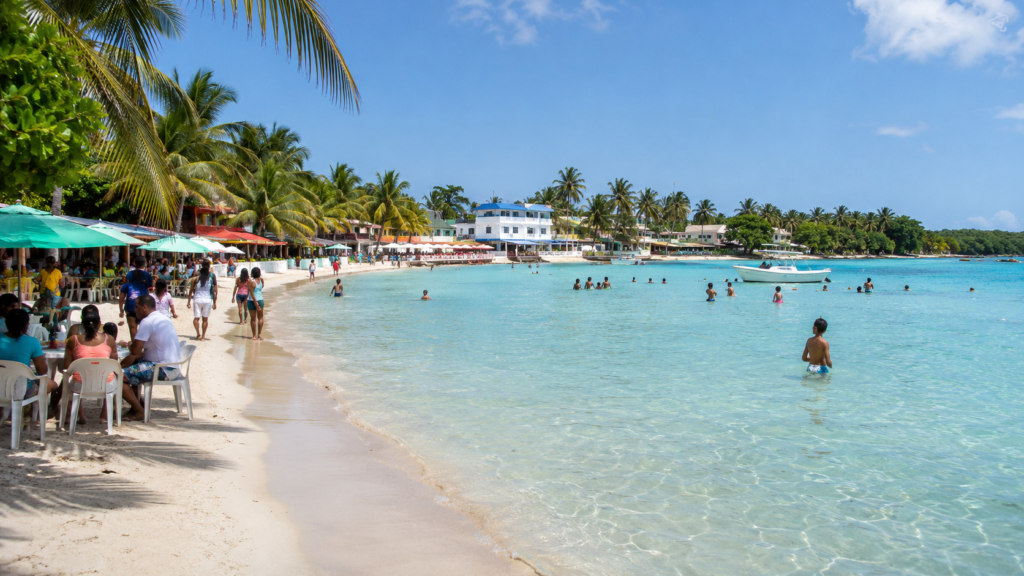
Travelers staying in Santo Domingo do not have to go far to find a Caribbean beach. Two of the most accessible coastal destinations are Boca Chica and Juan Dolio, both located east of the capital along the country’s southern coast.
Although they are relatively close to each other, the two destinations have distinct characteristics. Boca Chica is a traditional beach town with a busy waterfront, shallow water and a strong local atmosphere. Juan Dolio is more spread out, with beachfront condominiums, hotels, restaurants and a quieter pace that appeals to couples and visitors looking for a few days of relaxation.
Choosing between them involves more than comparing the sand and sea. Water conditions, restaurants, accommodation, transport and the atmosphere on weekends can all influence the experience.
Boca Chica vs. Juan Dolio: Quick Comparison
| Feature | Boca Chica | Juan Dolio |
|---|---|---|
| Location | East of Santo Domingo, in Santo Domingo province | East of Boca Chica, in San Pedro de Macorís province |
| Travel time from central Santo Domingo | Approximately 30–45 minutes | Approximately 45–60 minutes |
| Beach character | White sand and a sheltered bay | Golden sand and a longer coastal strip |
| Water conditions | Very shallow and generally calm | Generally calm, with some waves and local variations |
| Atmosphere | Lively, social and strongly connected to local tourism | More relaxed, residential and resort-oriented |
| Restaurants | Numerous beachfront seafood restaurants and local food stalls | Beachfront restaurants, hotel dining and international cuisine |
| Accommodation | Small hotels, guesthouses, resorts and beach clubs | Hotels, all-inclusive resorts, condominiums and apartment rentals |
| Best suited to | Families with young children, day trips and travelers seeking an active beach atmosphere | Couples, longer stays and visitors who prefer a quieter setting |
Travel times are estimates rather than fixed journey durations. They depend on the starting point in Santo Domingo, traffic, road conditions and the time of day.
1. The Beaches: What Are They Actually Like?
Boca Chica: A Sheltered Bay with Shallow Water
Boca Chica Beach is one of the best-known coastal destinations near the Dominican capital. Its white sand and turquoise water are protected by a coral reef that helps reduce wave activity inside the bay.
The result is a shallow swimming area that resembles a natural pool in many sections. The Dominican Republic’s Ministry of Tourism describes the water as generally no more than four feet deep, making the beach particularly attractive to families with children and visitors who prefer gentle swimming conditions.
The beach is also closely connected to the town. Restaurants, small hotels, beach vendors and other services line much of the waterfront. Visitors can spend most of the day without needing to travel between different parts of the destination.
One of Boca Chica’s distinctive features is La Matica, a small mangrove-covered cay near the beach that provides habitat for birds, including herons. Its proximity adds an ecological element to an otherwise urban beach environment.
The main disadvantage is the number of visitors. Boca Chica is a popular weekend destination for residents of Santo Domingo, and the beach can become crowded on Sundays, public holidays and during major vacation periods. The combination of visitors, vendors, music and beachfront businesses creates an energetic atmosphere, but it may not appeal to travelers seeking solitude.
Juan Dolio: A Longer and More Relaxed Coastline
Juan Dolio Beach has a different character. Located farther east, in San Pedro de Macorís province, it forms part of a coastal area with hotels, residential developments, beach restaurants and condominium buildings.
The shoreline is generally more spacious and less concentrated around a single busy beach center than Boca Chica. This makes Juan Dolio a practical choice for visitors who want to walk along the coast, spend several hours by the water or combine beach time with a hotel stay.
The sand is generally golden rather than the bright white associated with Boca Chica. Water conditions are usually suitable for swimming, although small waves and differences between sections of the shoreline mean that conditions are not identical everywhere. Some areas have rocky patches near the waterline, so checking the entry point before swimming is sensible.
Juan Dolio also includes Hemingway Beach, another recognized coastal area in the destination. The wider area provides access to nearby Guayacanes, a separate beach community with a more local atmosphere.
Juan Dolio is not completely quiet, particularly during weekends and holiday periods. However, its more spread-out layout and resort-oriented accommodation generally make it feel less crowded than Boca Chica’s central beach.
Which Beach Has Better Sand and More Space?
The answer depends on what matters most to the visitor. Boca Chica has particularly attractive white sand and a distinctive sheltered bay, but its central beach can feel busy. Juan Dolio offers a longer coastal setting and more opportunities to find a less crowded stretch, although the sand is not as uniformly wide or soft in every section.
For travelers who prioritize shallow water and a classic beach-town atmosphere, Boca Chica has a clear advantage. Those who prefer more room to relax and a less concentrated waterfront may find Juan Dolio more appealing.
2. Water Conditions: Which Is Better for Swimming?
Water conditions are among the most important differences between the two destinations, especially for families and travelers who are not confident swimmers.
Boca Chica’s Calm, Shallow Water
Boca Chica’s coral reef provides natural protection for much of the bay. As a result, the water is generally calm and shallow, with a gradual entry in many areas.
These characteristics make it suitable for:
- Families with young children who enjoy playing in shallow water.
- Visitors who prefer swimming without strong waves.
- People who want to wade rather than swim in deep water.
- Travelers interested in kayaking, paddleboarding and other activities in sheltered conditions.
However, shallow water should not be confused with a guarantee of safety. Conditions can change with weather, currents and local activity. Children should always be supervised, and swimmers should follow local advice.
Juan Dolio’s Generally Gentle Caribbean Water
Juan Dolio also offers generally calm swimming conditions, although the sea can be less uniformly sheltered than the central swimming areas of Boca Chica. Small waves may develop, and the seabed can vary from sandy to rocky depending on the section of beach.
For most visitors, the water is suitable for recreational swimming when conditions are favorable. However, people traveling with small children or inexperienced swimmers should choose their entry point carefully and check the sea before entering.
Water Clarity and Seaweed
Neither destination guarantees perfectly transparent water every day. Visibility can change according to weather, wave activity, rainfall, coastal conditions and the presence of floating seaweed.
Sargassum, a type of floating brown seaweed that periodically reaches parts of the Caribbean, can affect beaches in the Dominican Republic. The amount varies by season and location, so it is worth checking recent local conditions before planning a beach day around a particular stretch of coastline.
Best choice for shallow swimming: Boca Chica is generally the stronger option because of its reef-protected bay. Juan Dolio is a good alternative for visitors who prefer a more spacious beach and are comfortable checking local water conditions.
3. Restaurants and Food: Where Should You Eat?
Both destinations offer opportunities to enjoy seafood and Dominican cuisine, but their dining environments are somewhat different.
Eating in Boca Chica
Boca Chica has a well-established beachfront dining scene. Seafood restaurants and traditional fish stalls are among the most recognizable features of the town.
Fresh fish, fried seafood, shrimp and other coastal dishes are common choices. Traditional Dominican accompaniments include tostones, twice-fried green plantains, and yaniqueques, crisp fried dough that is popular in coastal areas.
The official tourism guide also identifies several restaurants in the area, including:
- Boca Marina: A well-known seafood restaurant with a waterfront setting.
- El Pelícano: A beachfront dining option associated with seafood and coastal views.
- Neptuno’s: A restaurant on Calle Duarte known for its seaside dining atmosphere.
- Buxeda: A local option associated with traditional fried fish.
Restaurant availability, menus and opening hours can change, so visitors should check directly before making specific plans.
Eating in Boca Chica is often part of the beach experience itself. Many visitors choose a restaurant close to the sand, have lunch while overlooking the water and return to swimming afterward.
Eating in Juan Dolio
Juan Dolio has a more dispersed restaurant scene. Visitors can find beachfront dining, hotel restaurants, cafés and establishments serving Dominican and international food.
Seafood remains an important part of the local offering, but the area also caters to residents, condominium owners and international visitors staying for several days. This creates a mix of casual restaurants and more formal dining options.
Some restaurants are associated with hotels or residential developments, so the dining experience can vary considerably depending on where visitors stay. Travelers planning to eat outside their accommodation should check the location of restaurants in relation to their hotel, since Juan Dolio is more spread out than central Boca Chica.
Which Destination Has the Better Restaurant Experience?
Boca Chica is particularly convenient for visitors who want a traditional beach lunch, fresh fish and a lively waterfront. Juan Dolio is a better fit for those who prefer a broader mix of hotel dining, cafés and restaurants in a more relaxed coastal setting.
4. Atmosphere: Local Beach Life or Relaxed Coastal Escape?
The atmosphere may be the deciding factor for travelers who are unsure which beach to visit.
Boca Chica: Busy, Social and Authentic
Boca Chica has a strong connection with everyday leisure in Santo Domingo. Many residents of the capital visit on weekends to swim, eat seafood, listen to music and spend time with family and friends.
The central beach is lively, with restaurants, vendors, music and a steady flow of visitors. This gives the town a distinctly local character, although the experience can be more hectic during busy periods.
For international visitors, Boca Chica offers an opportunity to experience a popular Dominican beach destination rather than a resort environment designed exclusively around hotel guests.
However, travelers who dislike persistent commercial activity or crowded public spaces may find the central beach less relaxing, particularly on Sundays and holidays.
Juan Dolio: A More Residential and Resort-Oriented Environment
Juan Dolio has developed around a combination of tourism, residential properties and beachfront accommodation. Its condominium buildings, hotels and restaurants give parts of the area a more residential and resort-oriented feel.
The pace is generally slower than in Boca Chica, particularly on weekdays. Visitors can spend time at the beach, walk along the coast, have dinner at a beachfront restaurant or relax at their accommodation without necessarily being in the middle of a busy town center.
This does not mean Juan Dolio is isolated or exclusively upscale. It has local businesses and public beach areas, and its atmosphere varies between different sections of the coast.
For couples, travelers planning a weekend away and visitors who want a quieter base near Santo Domingo, Juan Dolio often provides the more suitable setting.
5. Hotels and Accommodation: Where Is It Better to Stay?
Both destinations have accommodation options, but their layouts and typical visitor experiences differ.
Accommodation in Boca Chica
Boca Chica has small hotels, guesthouses, larger beachfront properties and resorts. Many are located close to the main beach, making it possible to stay within walking distance of restaurants and the waterfront.
This compact arrangement is useful for visitors who do not have a rental car or prefer not to depend on taxis for every meal or beach visit.
The area also has all-inclusive accommodation, although the selection and style differ from the larger resort zones found elsewhere in the Dominican Republic. Some properties cater to visitors seeking a practical base near the capital, while others focus on beach holidays, groups or events.
Accommodation in Juan Dolio
Juan Dolio offers a varied selection of hotels, beachfront resorts, condominiums and apartment rentals. It is particularly well suited to visitors who want to stay for several nights or prefer an apartment-style arrangement.
Recognized accommodation options in the area include:

- Coral Costa Caribe Juan Dolio: A beachfront hotel and resort option.
- Hodelpa Garden Suites: A hotel located in the Juan Dolio area.
- Casa Hemingway: A residential-style accommodation option near the beach.
- Xeliter Marbella: A condominium-style property in the coastal area.
These properties represent different accommodation formats rather than a single type of holiday experience. Travelers should compare the exact location, beach access, included services and cancellation conditions before booking.
Which Is Better for a Longer Stay?
Juan Dolio is generally the more natural choice for a multi-night beach stay, particularly for visitors interested in renting an apartment or staying in a beachfront property. Boca Chica can be more convenient for a short visit, especially when proximity to Santo Domingo or Las Américas International Airport is important.
For either destination, the distance between accommodation and the beach matters. A property described as being in Boca Chica or Juan Dolio is not necessarily directly on the waterfront.
6. Distance and Accessibility from Santo Domingo
Both beaches are located east of Santo Domingo and are accessible by road. The main route follows the eastern highway corridor, including Autopista Las Américas and, for Juan Dolio, the continuation toward the eastern coastal towns.
How Far Is Boca Chica from Santo Domingo?
Boca Chica is approximately 30 kilometers (19 miles) east of central Santo Domingo. The journey commonly takes around 30 to 45 minutes by car, although traffic leaving the capital can increase the travel time.
Its location is particularly convenient for travelers arriving at Las Américas International Airport (SDQ), which is only a short drive from the beach. This makes Boca Chica a practical option for visitors with limited time before or after a flight.
How Far Is Juan Dolio from Santo Domingo?
Juan Dolio is farther east, in San Pedro de Macorís province. Depending on the starting point and destination within the coastal area, the drive from central Santo Domingo generally takes around 45 to 60 minutes.
The journey from Las Américas International Airport is approximately 40 minutes under favorable traffic conditions, according to the Dominican Republic’s official tourism information.
Getting There by Taxi, Rental Car or Public Transport
Taxi or private transfer: This is one of the simplest options for travelers staying in Santo Domingo. A private ride avoids the need to understand local bus routes and can be arranged directly with a hotel or transport provider. Confirm the fare and return arrangements before departing.
Rental car: Driving provides greater flexibility, particularly for visitors planning to explore both beaches or nearby destinations such as Guayacanes. Drivers should allow extra time for traffic and be aware that some highway routes include tolls.
Public transport: Local buses and minibuses serve the eastern corridor, but routes, departure points and schedules may be less straightforward for international visitors. Travelers should confirm the correct service and final stop locally rather than assume that every bus reaches the beach entrance.
For a day trip, it is worth planning the return journey before leaving Santo Domingo. This is especially important when using public transport or arranging a private driver who may need to wait or return at a specific time.
7. What Else Can You Do Near Each Beach?
Neither destination is limited to swimming and sunbathing. Both can be combined with nearby attractions, although their surrounding activities differ.
Things to Do Around Boca Chica
Parque Nacional Submarino La Caleta is one of the most interesting nearby attractions for visitors interested in marine life. This underwater national park is located in the La Caleta area, west of Boca Chica, and is known for diving sites and marine habitats.
Boca Chica itself offers opportunities for kayaking, paddleboarding, boat excursions and snorkeling in suitable areas. Visitors can also explore the town, enjoy its seafood restaurants or take a walk near La Matica.
Its proximity to Santo Domingo makes it easy to combine a beach visit with time in the capital. If you have an extra day, consider exploring the city’s historic landmarks, cultural attractions and vibrant neighborhoods. Our guide to the best things to do in Santo Domingo covers the main attractions and experiences worth adding to your itinerary.
Things to Do Around Juan Dolio
Juan Dolio is well positioned for exploring other coastal communities in the region. Nearby Guayacanes offers a different atmosphere, with a more local character and a beach known for its palm trees and seafood restaurants.
Visitors can also explore San Pedro de Macorís, a city with a distinctive cultural identity and a strong connection to Dominican baseball. Golf courses and nearby attractions provide additional options for travelers who want to combine beach time with other activities.
For visitors interested in caves and natural history, the wider region also provides access to Cueva de las Maravillas, a cave attraction between San Pedro de Macorís and La Romana.
8. When Is the Best Time to Visit?
Boca Chica and Juan Dolio can be visited throughout the year because of the Dominican Republic’s warm tropical climate. However, the experience can vary depending on rainfall, sea conditions, visitor numbers and seasonal weather patterns.
Weekdays vs. Weekends
The difference between weekdays and weekends is particularly noticeable in Boca Chica. Sundays and public holidays tend to attract more local visitors, which can mean busier restaurants, more activity on the sand and greater demand for transport and parking.
Weekdays are generally better for travelers who want to enjoy Boca Chica with fewer crowds. Juan Dolio also tends to be quieter during the week, making it a good option for a relaxed beach day outside the busiest periods.
Seasonal Considerations
The period from approximately December to April is generally part of the drier season in much of the Dominican Republic and is popular with international visitors. The warmer, wetter months can bring more variable weather and occasional tropical disturbances.
Sargassum can affect either coastline at different times. Since its arrival and concentration vary, recent local reports are more useful than relying on a fixed calendar to predict beach conditions.
Regardless of the season, visitors should check the weather forecast and observe local swimming guidance before entering the sea.
9. Boca Chica or Juan Dolio: Which Should You Choose?
The two destinations are close enough to make either a realistic day trip from Santo Domingo, but they are better suited to different types of visitors.
Choose Boca Chica If…
- You are traveling with young children: The reef-protected bay and shallow water make it particularly attractive for families, although children still need constant supervision.
- You have limited time: Its shorter journey from Santo Domingo and proximity to the airport make it convenient for a half-day or full-day visit.
- You enjoy a lively beach atmosphere: Restaurants, vendors, music and local visitors create a more active environment.
- You want traditional seafood by the sea: The beachfront dining scene is one of the town’s main attractions.
- You prefer to walk between services: The central beach area has restaurants and accommodation concentrated close to the waterfront.
Choose Juan Dolio If…
- You prefer a quieter beach: Its more spread-out coastal setting can offer a less crowded experience, particularly on weekdays.
- You are planning to stay several nights: Hotels, condominiums and apartment rentals provide options for a longer coastal break.
- You are traveling as a couple: The relaxed atmosphere and beachfront dining make it suitable for a slower-paced getaway.
- You want more space to relax: Its longer shoreline offers alternatives to the busy central beach environment.
- You want to explore nearby coastal towns: Guayacanes and other destinations in the San Pedro de Macorís area are within reach.
Which Beach Is Better for Different Types of Travelers?
| Type of visitor | Recommended beach | Why |
|---|---|---|
| Families with small children | Boca Chica | Shallow, reef-protected water and convenient beachfront services |
| Couples seeking relaxation | Juan Dolio | A generally quieter and more spread-out coastal environment |
| Visitors on a short layover | Boca Chica | Closer to Las Américas International Airport |
| Travelers planning several nights by the sea | Juan Dolio | A range of hotels, resorts and apartment-style accommodation |
| Visitors interested in local beach culture | Boca Chica | A lively waterfront with traditional seafood restaurants and local activity |
| Travelers combining beaches and nearby towns | Juan Dolio | Convenient access to Guayacanes and San Pedro de Macorís |
Frequently Asked Questions
Is Boca Chica or Juan Dolio closer to Santo Domingo?
Boca Chica is closer. It is approximately 30 kilometers east of central Santo Domingo and generally takes around 30 to 45 minutes to reach by car. Juan Dolio is farther east and usually requires around 45 to 60 minutes, depending on traffic and the starting point.
Which beach has calmer water?
Boca Chica generally has calmer and shallower water because its bay is protected by a coral reef. Juan Dolio also has areas with gentle swimming conditions, but small waves and differences in the seabed can occur along the shoreline.
Is Boca Chica suitable for children?
Yes. Its shallow, reef-protected bay makes it a popular destination for families with children. Nevertheless, parents should supervise children at all times and choose swimming areas according to the conditions on the day.
Is Juan Dolio more expensive than Boca Chica?
Not necessarily, but the accommodation and dining options differ. Juan Dolio has beachfront resorts, condominiums and apartment rentals that can suit longer stays, while Boca Chica has a range of small hotels, guesthouses and restaurants close to the beach. Prices depend on the property, season and services included.
Can you visit both beaches in one day?
Yes. Boca Chica and Juan Dolio are connected by the eastern highway corridor, so visiting both in one day is possible by rental car or private transport. However, travelers with limited time may prefer to choose one beach and enjoy it without rushing between destinations.
Is Juan Dolio a good alternative to Punta Cana?
Juan Dolio is a convenient alternative for travelers who want a beach stay close to Santo Domingo. However, it is a different type of destination from Punta Cana, which has a much larger concentration of resort developments and extensive beach areas. Juan Dolio is better understood as a smaller coastal getaway rather than a direct equivalent to the country’s main resort region.
Are Boca Chica and Juan Dolio public beaches?
Both destinations have beach areas accessible to visitors. However, access points, nearby hotel facilities and services can vary by location. Access to a public beach does not automatically include the use of private pools, sun loungers, restaurants or other facilities operated by hotels and beach clubs.
The Best Beach Depends on the Experience You Want
Boca Chica and Juan Dolio offer two different ways to enjoy the Caribbean coast near Santo Domingo. Boca Chica stands out for its shallow, protected bay, easy access, seafood restaurants and lively local atmosphere. It is particularly practical for families, short excursions and travelers who want to reach the beach without spending much time on the road.
Juan Dolio is a stronger option for visitors who value a more relaxed setting, a longer coastal stretch and accommodation suited to a multi-night stay. Its proximity to Guayacanes and other destinations in the eastern region also makes it useful as a base for exploring beyond the beach.
For a quick beach day from the capital, Boca Chica is often the more convenient choice. For a slower coastal escape, particularly over a weekend or several nights, Juan Dolio may be the better fit. Both are accessible alternatives for travelers who want to combine a visit to Santo Domingo with time beside the Caribbean Sea.