 24°C


Port Samaná Opens as Dominican Republic Expands Cruise Tourism
The new terminal at Arroyo Barril received US$44.4 million in financing from Banreservas and is expected to create more than 4,000 direct and indirect jobs, while expanding cruise access to Samaná's tourism attractions.


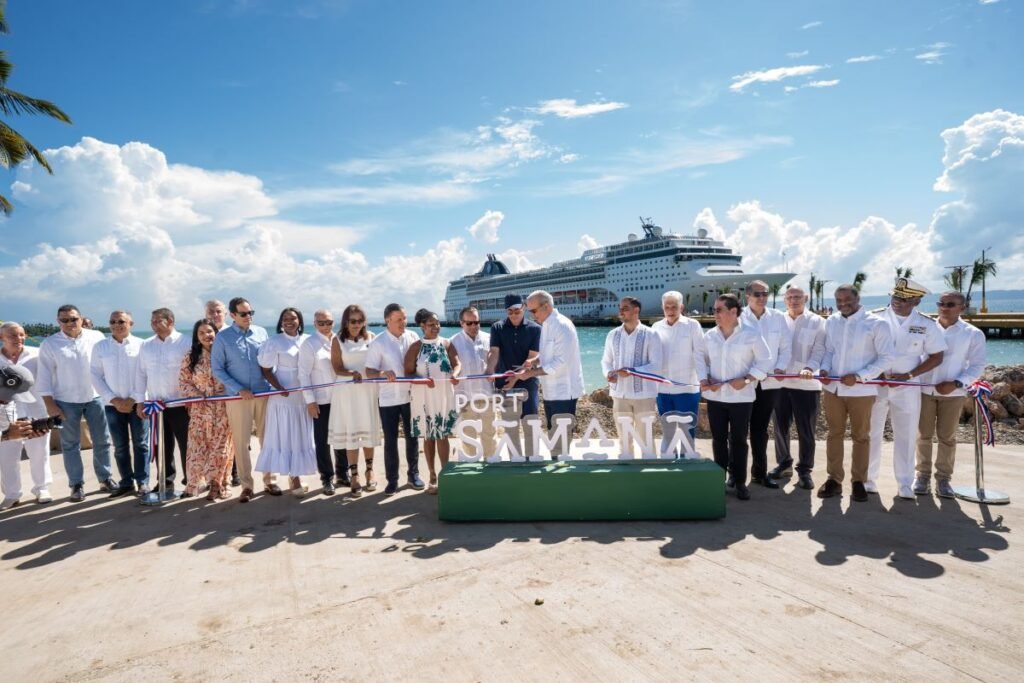
The Dominican Republic has inaugurated Port Samaná, a new cruise terminal developed at the historic Puerto Duarte in Arroyo Barril, as the country seeks to expand cruise tourism beyond its established ports. The US$90 million project was developed by ITM Group, with US$44.4 million in construction financing from state-owned Banreservas.
The terminal is projected to generate approximately 1,000 direct jobs and more than 3,000 indirect positions. Its opening also creates a new entry point for cruise passengers visiting Samaná, a northeastern province known for its beaches, natural attractions and coastal communities.
Port Samaná targets one million visitors by 2030
President Luis Abinader said the terminal is expected to become an important economic driver for the region. The projections announced at the inauguration call for 250,000 cruise passengers in 2027, 540,000 in 2028 and one million in 2030.
These figures are targets rather than confirmed passenger arrivals. Their achievement will depend on cruise-line schedules, demand and the terminal’s ability to attract visitors and connect them with excursions and services across the province.
ITM Group CEO Mauricio Hamui also said the company’s three Dominican cruise facilities — Taíno Bay in Puerto Plata, Port Cabo Rojo in Pedernales and Port Samaná — are projected to handle a combined 2.7 million passengers in 2028.
Banreservas financing supports three cruise terminals
Banreservas Executive President Leonardo Aguilera said the bank’s financing for Port Samaná forms part of a broader relationship with ITM Group. Approved financing for the company’s three Dominican terminal projects exceeds US$114 million.
The bank also reported that its tourism loan portfolio exceeds RD$61 billion. Aguilera said the arrival of cruise passengers could create business opportunities for local transportation providers, restaurants, retailers and other tourism services.
Fiduciaria Reservas led the structuring and administration of the trust established for Port Samaná, adding another component to the project’s financial framework.
A public-private partnership with a 33-year term
Andrés Lugo, executive director of the General Directorate of Public-Private Partnerships, said Port Samaná is the first infrastructure project developed under the Dominican Republic’s Public-Private Partnerships Law, Law 47-20.
The agreement has a 33-year term. The capital was provided entirely by the private sector, while ownership of the port remains with the Dominican state. The arrangement places the project within the country’s broader effort to use public-private partnerships to develop infrastructure.
The Dominican Port Authority identified Port Samaná as the country’s seventh cruise terminal.
New opportunities for Samaná’s tourism economy
Tourism Minister David Collado projected that the Dominican Republic would close 2026 with 12.5 million visitors, including more than three million arriving by cruise ship. He also said the government had invested more than RD$2 billion in tourism-related infrastructure in Samaná, including improvements to the waterfront and road paving in Arroyo Barril.
The new terminal could give cruise passengers access to attractions across the province, while creating demand for local guides, transport operators, restaurants and small businesses. The extent of the economic impact will depend in part on how effectively visitors are connected with businesses and communities beyond the port facilities.
For travelers, Port Samaná adds another cruise gateway to the Dominican Republic and expands the options available to cruise operators seeking to include the country’s northeastern coast in their itineraries. Further information on the country’s port infrastructure and maritime services is available through the Dominican Port Authority.