 25°C
25°C

Vaccines for the Dominican Republic: What Travelers Need to Know Before You Go
Travelers planning a trip to the Dominican Republic often wonder whether any vaccines are mandatory before arrival. In most cases, no vaccinations are legally required to enter the country, but several are recommended depending on your itinerary, health condition, and country of departure. Understanding these recommendations before you travel can help you avoid unnecessary health risks and ensure a smoother journey.


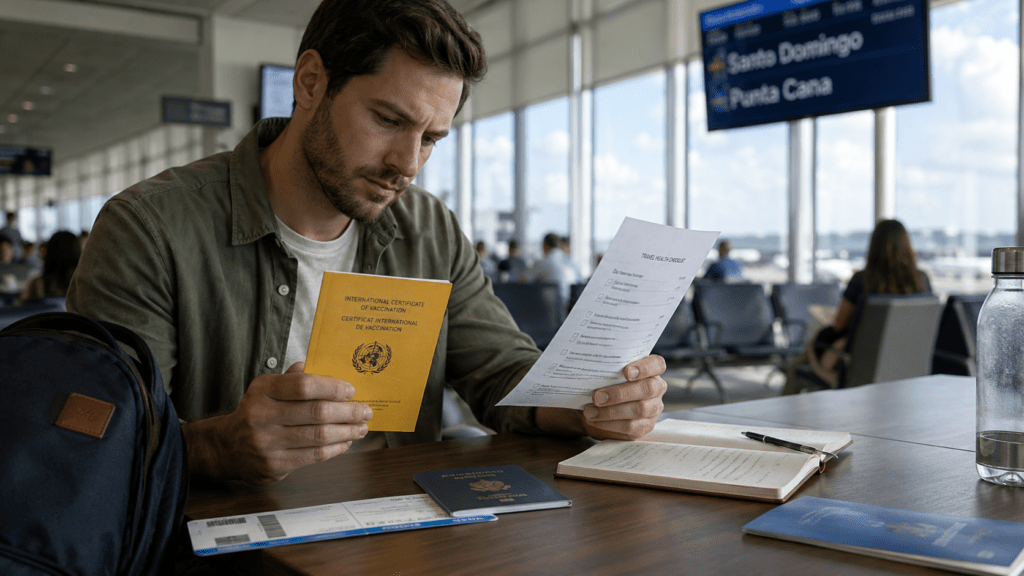
For most international visitors, the Dominican Republic does not require proof of vaccination to enter the country. However, health authorities recommend that travelers ensure their routine vaccinations are up to date and consider additional immunizations depending on the nature of their trip.
The vaccines that may be appropriate vary according to factors such as the regions you plan to visit, the duration of your stay, your planned activities, your age, and any pre-existing medical conditions. Travelers staying exclusively at all-inclusive resorts generally face different health considerations than those visiting rural communities or spending extended periods in the country.
Are Any Vaccines Required to Enter the Dominican Republic?
For the vast majority of travelers, the answer is no. The Dominican Republic does not require proof of vaccination simply because you are arriving as a tourist.
There is, however, one important exception involving yellow fever.
Travelers arriving from countries or regions where yellow fever is considered a public health risk may be required to present an International Certificate of Vaccination or Prophylaxis (ICVP). This requirement is intended to prevent the introduction of the disease into the country rather than protect individual travelers.
Current entry requirements apply to travelers arriving from Venezuela and from specific Brazilian states where yellow fever transmission has been identified. These rules may also apply to passengers who have recently visited those locations before traveling to the Dominican Republic. Travelers should always verify the latest requirements before departure because health regulations can change.
Routine Vaccinations Every Traveler Should Have
Before considering destination-specific vaccines, travelers should make sure that their routine immunizations are current.
These typically include protection against diseases such as:
- Measles, mumps and rubella (MMR)
- Tetanus, diphtheria and pertussis (Tdap)
- Polio
- Chickenpox (varicella), if not previously immune
- Seasonal influenza
- COVID-19, according to current recommendations for your country
Routine vaccinations protect not only against diseases that may circulate locally but also against outbreaks that occasionally occur in international travel settings such as airports, hotels and cruise ships. Health authorities recommend being fully vaccinated before any international trip.
Recommended Vaccines for the Dominican Republic
Although they are generally not mandatory, several vaccines are commonly recommended for visitors based on the type of travel they plan.
Hepatitis A
Hepatitis A is one of the most frequently recommended travel vaccines for the Dominican Republic.
The virus spreads primarily through contaminated food or water. Even travelers staying in quality accommodations may be exposed because infection can occur through food handling or beverages prepared under inadequate sanitary conditions.
Vaccination is recommended for most unvaccinated travelers regardless of where they intend to stay.
Hepatitis B
Hepatitis B vaccination is recommended for travelers who may have an increased risk of exposure to blood or bodily fluids.
This includes visitors who may:
- Receive medical treatment during their trip.
- Undergo cosmetic or dental procedures.
- Get tattoos or piercings.
- Have sexual contact with new partners.
- Remain in the country for extended periods.
Many travelers have already received this vaccine as part of childhood immunization programs, but adults who are unsure of their vaccination status should consult their healthcare provider before departure.
Typhoid
Typhoid vaccination may be advisable for travelers planning to visit smaller towns, rural communities or areas where food and water hygiene standards may vary.
The vaccine is particularly recommended for:
- Backpackers.
- Adventure travelers.
- People staying with friends or relatives.
- Long-term visitors.
- Travelers spending significant time outside major tourist areas.
Visitors remaining exclusively in large resorts generally face a lower risk than those eating regularly in local communities or remote areas.
Rabies
Rabies vaccination is not routinely recommended for most tourists.
However, pre-exposure vaccination may be appropriate for travelers whose activities increase the likelihood of animal contact, including veterinarians, wildlife researchers, cave explorers, volunteers working with animals and individuals spending long periods in isolated rural locations.
While rabies cases in travelers are uncommon, avoiding contact with stray dogs, cats and wild animals remains one of the most effective preventive measures.
Do You Need the Yellow Fever Vaccine?
This is one of the most common questions asked by travelers.
For most visitors arriving from North America, Europe and many other parts of the world, the answer is no. The yellow fever vaccine is neither recommended nor required solely because you are visiting the Dominican Republic.
The requirement applies only in specific circumstances involving travel from countries or regions where yellow fever transmission exists. Travelers who merely transit through affected areas may also need to comply if their stopover exceeds the limits established by Dominican authorities.
Anyone uncertain about their itinerary should verify the latest entry rules before traveling and consult a travel medicine clinic several weeks before departure if vaccination may be necessary.
Mosquito-Borne Diseases: What Travelers Should Know
Although there are no routine vaccines available for most mosquito-borne diseases found in the Dominican Republic, protecting yourself against mosquito bites is one of the most important steps you can take before and during your trip.
Mosquitoes can transmit several viral illnesses that occur throughout the Caribbean, including dengue, chikungunya and Zika. While many infections cause mild symptoms, some can lead to serious complications, particularly for pregnant women, older adults and individuals with certain medical conditions.
Dengue Fever
Dengue is the mosquito-borne disease that most frequently affects travelers to the Dominican Republic. Cases occur throughout the country, including popular tourist destinations.
Symptoms may include:
- High fever.
- Severe headache.
- Pain behind the eyes.
- Muscle and joint pain.
- Skin rash.
- Nausea and vomiting.
Most people recover within one to two weeks, but severe dengue can become a medical emergency. There is currently no vaccine routinely recommended for international travelers visiting the Dominican Republic, making mosquito bite prevention especially important.
Chikungunya
Chikungunya is also transmitted by Aedes mosquitoes, which are active primarily during daylight hours.
The illness often causes sudden fever accompanied by intense joint pain that can persist for weeks or even months in some individuals. While deaths are extremely rare, recovery may take longer than many travelers expect.
Zika Virus
Zika infections are often mild or even asymptomatic. However, the virus remains a particular concern for pregnant women because infection during pregnancy has been associated with serious birth defects.
Women who are pregnant or planning to become pregnant should consult their healthcare provider before traveling and review the latest travel health recommendations for the Caribbean.
Is Malaria a Concern?
Malaria exists in limited areas of the Dominican Republic but is not considered a nationwide risk.
Most visitors staying exclusively in major tourist destinations such as Punta Cana, La Romana, Samaná, Puerto Plata or Bayahibe face a relatively low risk. However, localized transmission has occurred in certain provinces, and recommendations may change depending on epidemiological conditions.
Travelers visiting rural areas, border regions or spending extended periods outside the main tourist zones should seek personalized advice from a travel medicine clinic before departure. In some situations, preventive antimalarial medication may be recommended.
Even where malaria risk is low, mosquito bite prevention remains the most effective protective measure.
How to Protect Yourself from Mosquito Bites

Simple precautions can significantly reduce your risk of mosquito-borne diseases during your stay.
- Use an insect repellent containing DEET, picaridin or another approved active ingredient.
- Wear lightweight long-sleeved shirts and long trousers, particularly during early morning and late afternoon.
- Choose accommodations with air conditioning or window screens whenever possible.
- Sleep under a mosquito net if your accommodation is not adequately protected.
- Avoid areas with standing water where mosquitoes breed.
These recommendations apply regardless of whether you are staying in a luxury resort or traveling independently around the country.
Food and Water Safety
Vaccination is only one aspect of travel health. Food and water precautions also play an important role in preventing gastrointestinal illnesses.
Most established hotels and restaurants follow good hygiene standards, but travelers should still take sensible precautions.
Practical recommendations include:
- Drink bottled or properly filtered water if you are unsure about the local supply.
- Avoid ice unless you know it has been made from safe drinking water.
- Eat food that is freshly cooked and served hot.
- Wash or peel fresh fruit whenever possible.
- Practice good hand hygiene before eating.
Following these simple habits can reduce the risk of foodborne illnesses throughout your trip.
When Should You Visit a Travel Clinic?
Ideally, travelers should consult a healthcare provider or travel medicine specialist at least four to six weeks before departure.
This allows sufficient time to:
- Review your vaccination history.
- Receive any recommended vaccines.
- Discuss medications you regularly take.
- Assess malaria risk if your itinerary requires it.
- Receive personalized health advice based on your age, medical history and travel plans.
Last-minute travelers can still benefit from a consultation, even if departure is only a few days away.
Frequently Asked Questions
Are vaccines mandatory for tourists visiting the Dominican Republic?
No. Most tourists do not need any mandatory vaccinations to enter the country. The main exception concerns travelers arriving from certain countries or regions where yellow fever is present.

Do children need special vaccines before traveling?
Children should be up to date with their routine childhood immunizations. Depending on their destination and planned activities, a healthcare provider may also recommend hepatitis A or other travel vaccines.
Is the yellow fever vaccine required for travelers from Europe or North America?
In most cases, no. Travelers arriving directly from countries without yellow fever transmission generally do not need proof of vaccination.
Should I be worried about dengue?
Dengue is present in the Dominican Republic, but the best protection is preventing mosquito bites by using repellent, wearing appropriate clothing and staying in well-protected accommodations.
Can I receive travel vaccines shortly before departure?
Many vaccines remain beneficial even when administered close to your departure date. However, scheduling a travel health consultation several weeks in advance provides the greatest level of protection.
Travel Health Checklist Before Visiting the Dominican Republic
Before your trip, consider completing the following checklist:
- ✔ Verify that your routine vaccinations are up to date.
- ✔ Ask your healthcare provider whether hepatitis A, hepatitis B or typhoid vaccination is recommended.
- ✔ Check whether yellow fever vaccination requirements apply to your itinerary.
- ✔ Pack an effective insect repellent.
- ✔ Purchase comprehensive travel medical insurance.
- ✔ Bring any prescription medications in their original packaging.
- ✔ Review current travel health advice before departure.
Preparing in advance allows you to focus on enjoying your visit rather than dealing with preventable health issues. Although the Dominican Republic is a popular destination with modern tourism infrastructure, taking a few simple precautions can significantly reduce health risks and help ensure a safe and enjoyable trip.