 27°C
27°C

How Free Trade Zones Work in the Dominican Republic
The Dominican Republic has developed one of the most successful free trade zone systems in the Americas, attracting hundreds of international manufacturers and service companies through a combination of tax incentives, strategic location, and an experienced workforce. Understanding how these zones operate is essential for investors, exporters, entrepreneurs, and anyone interested in the country's economy, as they play a central role in employment, foreign investment, and international trade.


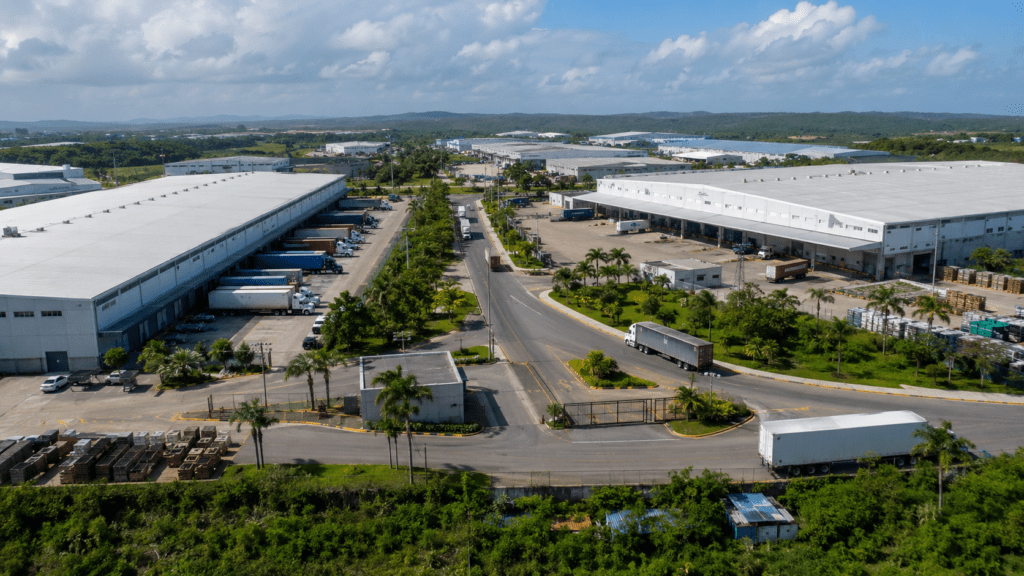
Free Trade Zones (FTZs), known locally as Zonas Francas, are designated economic areas where companies benefit from a special legal and tax regime designed to promote exports, manufacturing, logistics, and international services. Although these businesses operate within the Dominican Republic, they are subject to a distinct regulatory framework that encourages foreign direct investment and international trade.
Over several decades, the Dominican Republic has transformed its Free Trade Zone sector into one of the country’s main economic engines. Today, hundreds of companies manufacture products ranging from medical devices and electronics to apparel, tobacco products, and software services for markets across North America, Europe, Latin America, and beyond.
What Is a Free Trade Zone?
A Free Trade Zone is a geographically defined area authorized by the Dominican government where eligible companies receive significant fiscal incentives in exchange for carrying out export-oriented economic activities.
Unlike a conventional industrial park, a Free Trade Zone operates under a dedicated legal framework that offers exemptions from many national taxes and customs duties. Companies located within these zones are generally expected to produce goods or provide services primarily for international markets rather than for domestic consumption.
The objective is straightforward: encourage investment, create employment, increase exports, transfer technology, and strengthen the country’s integration into global supply chains.
Why the Dominican Republic Developed Free Trade Zones
The Dominican Republic began promoting Free Trade Zones during the second half of the twentieth century as part of a broader strategy to diversify its economy beyond agriculture and traditional exports such as sugar.
Successive governments recognized that the country’s geographic location—situated between North and South America and close to major U.S. ports—offered a competitive advantage for export manufacturing.
Combined with preferential trade agreements, modern port infrastructure, improving logistics, and an increasingly skilled workforce, the Free Trade Zone model became one of the country’s most effective economic development tools.
Today, the sector contributes substantially to:
- Export earnings.
- Foreign direct investment.
- Employment generation.
- Technology transfer.
- Industrial diversification.
- Regional economic development.
The Legal Framework
The Dominican Republic’s Free Trade Zone system is governed primarily by Law No. 8-90 on the Promotion of Free Zones, which establishes the legal basis for creating, operating, and regulating Free Trade Zones throughout the country.
The law defines:
- Eligible business activities.
- Available tax incentives.
- Investor obligations.
- Administrative procedures.
- Requirements for establishing new zones.
- Government oversight mechanisms.
This legislation has undergone various regulatory updates over time while maintaining its core objective of promoting export-oriented investment.
Who Regulates Free Trade Zones?
Several public institutions oversee different aspects of the sector.
National Free Zones Council (CNZFE)
The National Free Zones Council (Consejo Nacional de Zonas Francas de Exportación, or CNZFE) is the principal regulatory authority responsible for authorizing Free Trade Zone companies, approving new parks, supervising compliance with applicable regulations, and promoting investment. The Council’s official functions and responsibilities include evaluating applications for new companies and parks and developing policies for the sector.
The Council also evaluates investment projects and coordinates with other public agencies involved in customs, taxation, labor, and trade.
Directorate General of Customs
The customs authority supervises the movement of goods entering and leaving Free Trade Zones, ensuring compliance with customs procedures while facilitating international trade.
Tax Authorities
Although many taxes are exempt under the Free Trade Zone regime, companies must still comply with reporting obligations and other administrative requirements established by Dominican tax authorities.
Types of Free Trade Zones
The Dominican Republic has developed several categories of Free Trade Zones to accommodate different investment models.
Industrial Parks
The majority of companies operate within industrial parks that host multiple manufacturers and exporters. These parks typically provide:
- Industrial buildings.
- Road infrastructure.
- Electricity.
- Water supply.
- Security services.
- Customs facilities.
- Telecommunications.
- Waste management.
Many investors choose these parks because they allow businesses to begin operations more quickly than developing independent facilities.
Special Free Trade Zones
Some companies operate under a special Free Trade Zone authorization outside traditional industrial parks when the nature of their investment or operational requirements justify a separate location.
This model is generally used for large-scale projects requiring specialized infrastructure.
Which Industries Operate in Dominican Free Trade Zones?
Although garment manufacturing helped establish the sector’s early growth, today’s Free Trade Zones support a much broader range of industries.
Medical Devices
The Dominican Republic has become one of the leading exporters of medical devices in the Caribbean and Latin America. International manufacturers produce surgical instruments, disposable medical products, diagnostic equipment, and specialized healthcare components for global markets.
This industry benefits from strict quality standards, trained personnel, and proximity to North American distribution centers.
Electronics and Electrical Components
Numerous companies manufacture electronic assemblies, electrical equipment, cables, connectors, and industrial components used in multiple industries worldwide.
Tobacco Products
Premium cigar manufacturing remains one of the country’s internationally recognized export industries. Several internationally known producers operate within Free Trade Zones to serve export markets.
Textiles and Apparel
Although the industry has evolved significantly over time, apparel manufacturing continues to represent an important segment of Free Trade Zone activity, particularly for products destined for North American retailers.
Business Process Outsourcing (BPO)
The Free Trade Zone regime also supports service exports.
Many international companies operate:
- Call centers.
- Customer support operations.
- Shared service centers.
- Financial processing facilities.
- IT support centers.
- Software development teams.
These operations benefit from multilingual talent, competitive operating costs, and modern telecommunications infrastructure.
Pharmaceuticals
Several pharmaceutical manufacturers produce medicines and healthcare products for export under international quality standards.
Logistics and Distribution
Strategically located logistics facilities use Free Trade Zones to consolidate, warehouse, package, and redistribute goods throughout the Caribbean and the Americas.
How Companies Qualify for Free Trade Zone Status
Businesses cannot simply declare themselves part of the Free Trade Zone regime. Instead, they must apply for authorization and demonstrate that their proposed activities meet the legal requirements established by Dominican authorities.
Applications are evaluated based on factors such as:
- The nature of the proposed business activity.
- Expected export operations.
- Investment plans.
- Employment generation.
- Compliance with environmental and labor regulations.
- Economic contribution to the country.
Once approved, companies become subject to the specific rights and obligations established under the Free Trade Zone framework.
The Tax Incentives Available
One of the main reasons international investors choose the Dominican Republic’s Free Trade Zone regime is its comprehensive package of fiscal incentives. The CNZFE’s official guidance on Free Trade Zone incentives explains the exemptions available under Article 24 of Law 8-90.
Rather than offering a single tax benefit, the system provides multiple exemptions intended to reduce the cost of export-oriented operations while improving international competitiveness.
The exact incentives and eligibility conditions depend on the applicable legislation and regulatory approvals, which will be examined in detail in the next section of this guide.
Major Tax Benefits Available to Free Trade Zone Companies
Companies authorized to operate under the Free Trade Zone regime may qualify for broad exemptions from a range of national taxes and duties, provided they comply with the applicable legal framework and continue to meet the conditions of their authorization.
Among the principal incentives are exemptions from:
- Corporate income tax.
- Import duties on machinery, equipment, raw materials, and production inputs.
- Value Added Tax (ITBIS) on eligible imports and purchases.
- Certain municipal and national taxes related to qualifying operations.
- Taxes on exports of qualifying goods.
These incentives significantly reduce production costs and help Dominican-based exporters compete in international markets. However, they are not unconditional. Companies must maintain compliance with labor, customs, environmental, accounting, and reporting obligations established by Dominican authorities.
Can Free Trade Zone Companies Sell Products in the Dominican Market?
The primary purpose of the Free Trade Zone regime is to encourage exports rather than domestic sales. As a result, companies are generally expected to sell their products or services outside the Dominican Republic.
Domestic sales are possible in certain circumstances, but they are subject to specific legal procedures and may require the payment of applicable customs duties, taxes, and other charges that would normally apply to imported goods entering the local market.
This distinction preserves the competitive balance between Free Trade Zone companies and businesses operating under the ordinary Dominican tax regime.
Why International Companies Choose the Dominican Republic
Tax incentives are only one part of the country’s appeal. Many multinational companies establish operations in Dominican Free Trade Zones because they combine fiscal benefits with practical business advantages.
Strategic Geographic Location
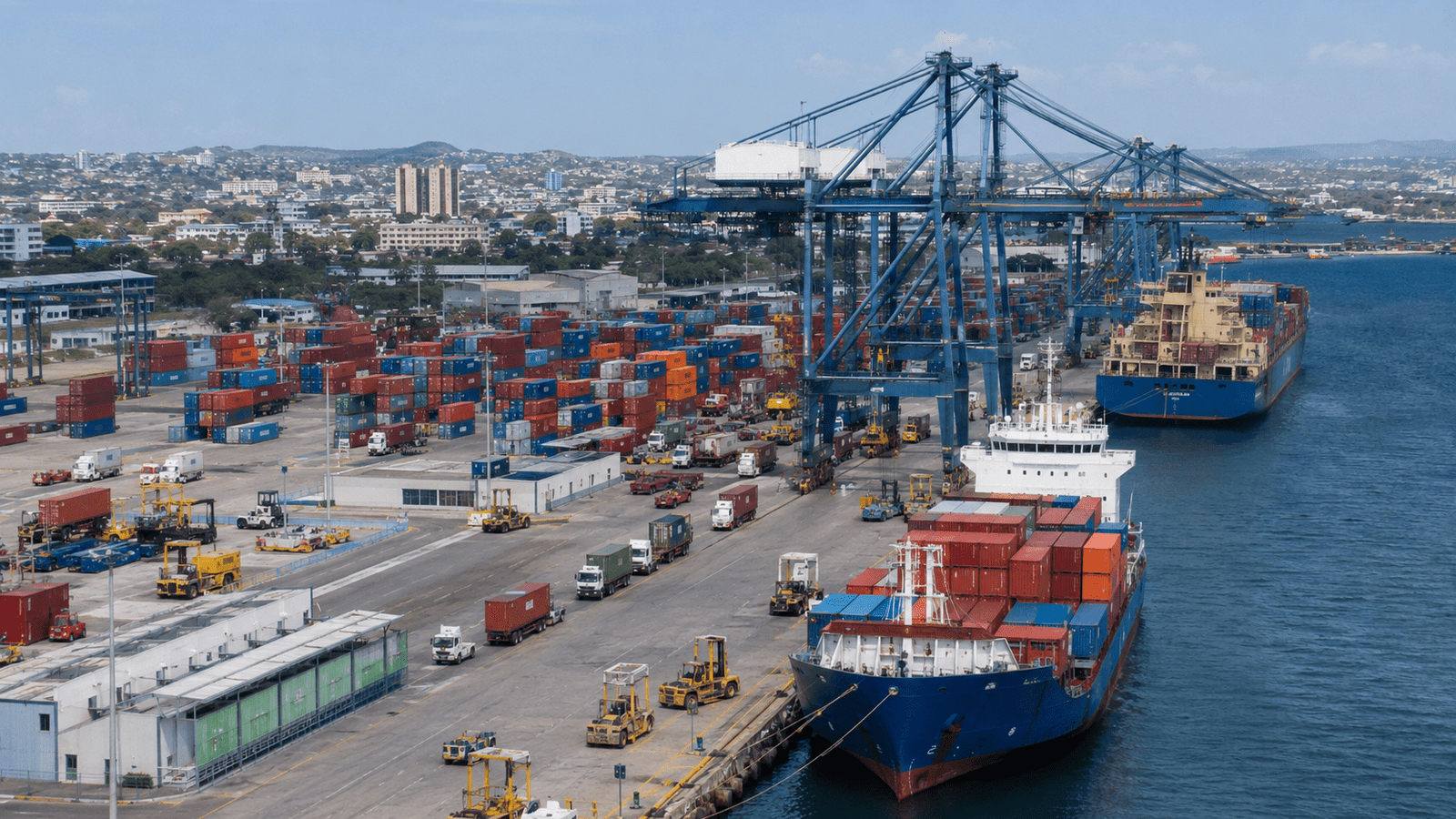
The Dominican Republic sits at the crossroads of North America, Central America, South America, and the Caribbean. Major shipping routes connect the country with ports on the U.S. East Coast, the Gulf of Mexico, Europe, and Latin America, allowing manufacturers to reduce transit times and logistics costs.
Trade Agreements
Companies operating in the Dominican Republic may benefit from the country’s participation in several international trade agreements, including the Dominican Republic–Central America–United States Free Trade Agreement (CAFTA-DR), which has strengthened commercial ties with one of the world’s largest consumer markets.
Skilled Workforce
Over decades of industrial development, the country has built an experienced labor force in sectors such as advanced manufacturing, medical technology, textiles, business services, and logistics.

Many workers have experience operating under international quality standards required by multinational corporations.
Modern Infrastructure
Many Free Trade Zone parks offer:
- Modern industrial buildings.
- Reliable electricity infrastructure.
- High-speed telecommunications.
- Security services.
- On-site customs facilities.
- Access to ports and international airports.
Where Are the Main Free Trade Zones Located?
Free Trade Zones are distributed throughout the Dominican Republic, although several regions have become major industrial hubs.
Important concentrations can be found near:
- Santo Domingo.
- Santiago.
- San Pedro de Macorís.
- La Romana.
- Puerto Plata.
- La Vega.
- Moca.
- San Cristóbal.
- Punta Cana.
The location selected by an investor often depends on proximity to ports, airports, suppliers, labor availability, and the specific needs of the industry.
Employment and Economic Impact
Free Trade Zones represent one of the Dominican Republic’s largest formal employment sectors. Hundreds of thousands of direct and indirect jobs have been created through manufacturing, logistics, customer service, technology, administration, transportation, maintenance, and related industries.
The sector also contributes to:
- Export diversification.
- Technology transfer.
- Industrial modernization.
- Regional development.
- Professional training.
- Growth of local suppliers.
For many communities, Free Trade Zones have become important sources of stable employment and economic activity.
Challenges Facing the Sector
Despite its success, the Free Trade Zone model continues to evolve in response to changes in the global economy.
Some of the main challenges include:
- Increasing international competition.
- Automation in manufacturing.
- Rising logistics costs.
- Supply chain disruptions.
- Demand for higher-value manufacturing.
- Environmental sustainability requirements.
- Competition for skilled labor.
To remain competitive, many companies have shifted toward more technologically advanced industries, including medical devices, electronics, pharmaceuticals, software services, and business process outsourcing.
Who Can Invest in a Dominican Free Trade Zone?
Both Dominican and foreign investors may establish Free Trade Zone operations, subject to regulatory approval.
Foreign investors generally enjoy the same legal protections as domestic investors under Dominican investment legislation. Companies may establish wholly foreign-owned operations, joint ventures, or other legally recognized business structures depending on their investment objectives.
Most investment projects require coordination with legal advisers, Free Trade Zone park operators, government agencies, customs authorities, and tax professionals before operations begin.
How the Approval Process Typically Works
Although each project differs, establishing a Free Trade Zone operation generally involves several stages:
- Developing an investment proposal.
- Selecting a suitable Free Trade Zone park or applying for a special zone.
- Submitting documentation to the National Free Zones Council.
- Obtaining regulatory approvals.
- Registering the business entity.
- Preparing facilities.
- Installing equipment.
- Hiring and training employees.
- Completing customs and operational procedures.
- Beginning commercial production or service operations.
The complexity and duration of the process depend on the size of the investment, the industry involved, and the project’s regulatory requirements.
Frequently Asked Questions
Are Free Trade Zones only for manufacturing companies?
No. While manufacturing remains the largest sector, Free Trade Zones also host technology companies, logistics providers, call centers, shared service centers, software developers, and other export-oriented service businesses.
Can small businesses operate in a Free Trade Zone?
Yes. Although many occupants are multinational corporations, the legal framework also allows smaller qualifying businesses to operate under the regime if they meet the applicable requirements.
Do companies own the land inside a Free Trade Zone?
Not necessarily. Some businesses lease industrial space within established parks, while others develop facilities under different ownership or leasing arrangements depending on the project.
Are all exports produced inside Free Trade Zones?
No. Many Dominican exports originate outside the Free Trade Zone regime, particularly agricultural products, mining, and goods manufactured by companies operating under the ordinary tax system.
Final Thoughts
Free Trade Zones have become one of the defining features of the Dominican Republic’s modern economy. By combining a stable legal framework, substantial tax incentives, strategic geographic positioning, and decades of industrial experience, the country has built an internationally competitive export platform that attracts manufacturers and service providers from around the world.
For investors, the regime offers opportunities to access regional and global markets from a well-established manufacturing hub. At the same time, the system continues to evolve as industries adopt new technologies, strengthen supply chains, and respond to changing global trade patterns. Understanding how the Free Trade Zone model works is an essential first step for any business evaluating investment opportunities in the Dominican Republic.