 24°C

Dominican Republic Extends E-Invoicing Deadline for Small Taxpayers
The Dominican Republic’s tax authority will extend the deadline for micro and small taxpayers to adopt electronic invoicing, following instructions from the Executive Branch. The DGII says more than 165,000 taxpayers have already joined the system and will publish eligibility criteria and the revised deadline by November 30, 2026.


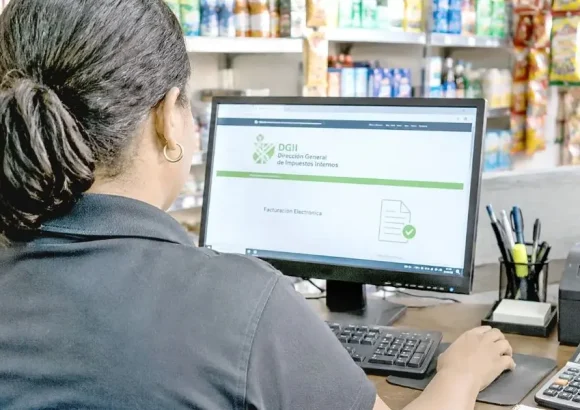
The Directorate General of Internal Taxes (DGII) announced the decision on Tuesday, November 17, after the previous implementation deadline had passed. The extension is intended specifically for taxpayers classified as micro and small businesses, rather than establishing a new deadline for every taxpayer in the country.
New Deadline and Eligibility Rules Due November 30
The DGII said it will publish the full details of the extension no later than November 30, 2026. Its announcement will identify which taxpayers qualify as micro and small businesses and specify how much additional time they will have to complete their transition to electronic invoicing.
Until those details are released, taxpayers should not assume that the extension applies automatically to every business or individual currently registered with the tax authority. The classification criteria and revised compliance date will determine who benefits from the measure.
The agency reported that more than 165,000 taxpayers have already joined the electronic invoicing system. It also reiterated that adopting electronic invoicing does not mean an increase in taxes.
How the Extension Changes the Previous Timeline
The announcement follows the November 15, 2026, deadline that applied to small, micro and unclassified taxpayers under the previous implementation schedule. In May, the DGII had granted this group an exceptional six-month administrative extension, moving the original May 15 deadline to November 15.
The new announcement signals an additional adjustment for qualifying micro and small taxpayers. However, the DGII has not yet published the final conditions or the length of the new extension. Those details are expected by the end of November.
Other taxpayer categories have separate implementation requirements. The extension announced for micro and small taxpayers should therefore not be interpreted as a general postponement for all businesses.
What Electronic Invoicing Means for Small Businesses
Electronic invoicing is part of the Dominican Republic’s transition to electronic tax receipts, known as electronic fiscal invoices or e-CF. The system replaces traditional paper-based tax receipts with digital documents issued and processed under requirements established by the tax authority.
For smaller businesses, the transition can involve administrative and technological adjustments, including selecting an invoicing solution, configuring business information and ensuring that staff can issue the required electronic documents.
The DGII maintains information and assistance channels for taxpayers who need guidance on the process. Business owners can consult the official DGII website for updates, electronic invoicing guidance and institutional contact information.
Businesses Should Wait for the Official Conditions
Micro and small taxpayers awaiting the extension should monitor the DGII’s announcement scheduled for November 30. The publication will be important for determining whether a particular taxpayer qualifies and how much additional time is available.
In the meantime, the reported extension does not change the importance of preparing for electronic invoicing. Businesses should review their current invoicing arrangements and follow the tax authority’s official guidance rather than rely on an assumed deadline.