 24°C


Dominican Republic Targets 800 MW of Battery Storage by 2028
The Dominican Republic is preparing to bring its first utility-scale battery energy storage project online by the end of November, adding 47 megawatts to the national grid as the government advances a broader plan to strengthen electricity supply and support the expansion of renewable energy.


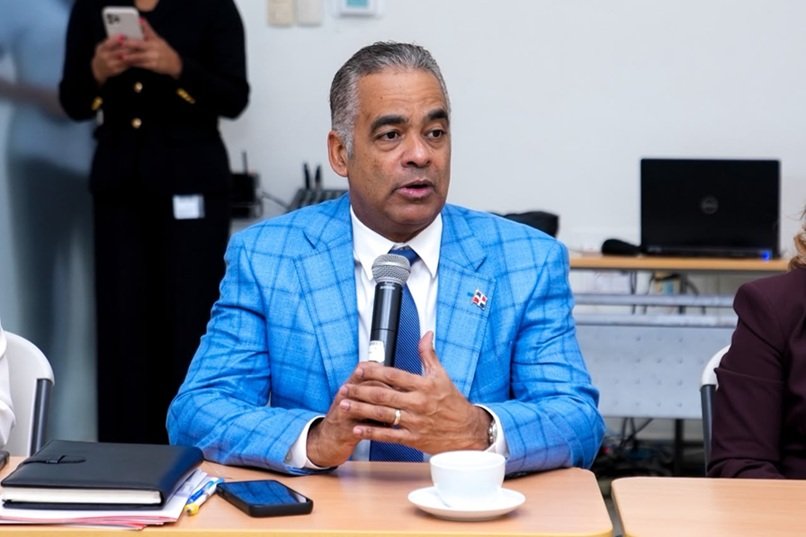
The Dominican Republic is preparing to add battery storage to its national electricity system, with the first project expected to begin operating by the end of November 2026. The installation will contribute 47 megawatts (MW) to the National Interconnected Electric System (SENI), marking the first step in a government plan to reach at least 800 MW of battery storage capacity before 2028.
Energy and Mines Minister Joel Santos said two additional projects are expected to be integrated before the end of 2026. Further installations are planned throughout 2027, although the government has not detailed the full project schedule or the locations of the facilities.
Battery storage to support peak electricity demand
The systems are intended to strengthen electricity supply during the country’s evening peak, which Santos identified as the period between 7 p.m. and 11 p.m. Battery energy storage systems, commonly known as BESS, can store electricity and release it when demand rises, helping balance supply and demand on the grid.
The technology is particularly relevant as the Dominican Republic increases its use of renewable energy. Santos said renewable sources account for approximately 27% of the country’s electricity generation, including solar, wind, biomass and hydropower.
As renewable generation expands, storage can help manage fluctuations in electricity production and make energy available at times when some sources, particularly solar power, are not generating. Santos described battery storage as one component of a broader electricity system that must coordinate generation, transmission, distribution and regulation.
US$750 million planned for distribution improvements
Alongside the storage program, the government has scheduled approximately US$750 million in investments for 2027 and 2028 to strengthen and optimize the national electricity distribution network, according to Santos.
The minister said improving the system will also require continued investment in transmission infrastructure and adjustments to distribution networks as the country’s energy mix changes. Battery installations alone cannot address every challenge facing the electricity sector; their effectiveness will depend in part on the capacity and reliability of the wider grid.
Long-term investment remains a key challenge
Santos emphasized the importance of maintaining investment in the electricity system over the long term, including across changes in government. The announced targets represent planned additions and investment commitments, rather than completed infrastructure or a guarantee of improved service by a specific date.
For households and businesses, the significance of the program will ultimately depend on whether new storage capacity, grid upgrades and improvements in distribution translate into a more reliable electricity supply. The first 47 MW project will provide an initial measure of progress toward the government’s wider 800 MW target.
Updates on the country’s energy policies and infrastructure plans are available through the Dominican Republic Ministry of Energy and Mines.