 25°C


Dominican Police Report 318 Voluntary Surrenders in Pending Criminal Cases
The Dominican National Police reported that 318 people with outstanding arrest warrants voluntarily surrendered between August 17 and October 21, 2026, in connection with alleged criminal offenses ranging from robbery and homicide to drug trafficking. The institution said it is coordinating with prosecutors to advance investigations and bring cases before the appropriate courts in accordance with the law.


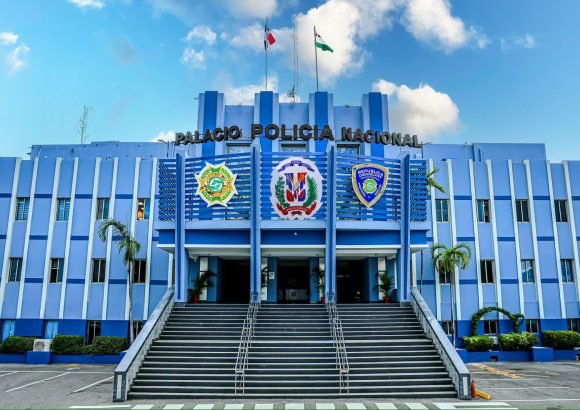
The figures cover a period of more than two months and include people wanted in connection with a range of alleged offenses. Robbery and assault cases accounted for the largest category, followed closely by homicide investigations, according to the police statistics. For more updates and coverage of current events across the country, readers can follow Dominican Republic news.
Homicide and robbery cases account for most surrenders
The National Police reported the following breakdown of the 318 voluntary surrenders recorded during the period:
Robbery and assault: 76 cases.
Homicide: 75 cases.
Drug trafficking: 49 cases.
Assault and violence: 38 cases.
Stolen vehicles: 21 cases.
Sexual offenses: 14 cases.
Other alleged offenses: 45 cases.
The figures describe the offenses associated with outstanding warrants and do not establish the guilt of the individuals involved. The cases remain subject to investigation and the applicable judicial procedures.
How people can surrender to authorities
The police said individuals with outstanding arrest warrants can surrender at any police station in the country. They may appear in person or arrange their surrender through relatives, lawyers, media professionals or religious representatives.
According to the institution, handing over a firearm is not a condition for surrendering. However, recovering a weapon potentially connected to an investigated offense may help investigators establish the circumstances of a case and gather evidence.
Police coordinate with prosecutors
The National Police said it continues to work with the Public Prosecutor’s Office to advance investigations and ensure that cases are referred to the competent courts in accordance with established legal procedures.
The surrender figures provide a snapshot of people responding to outstanding arrest warrants, but they do not indicate how many cases have resulted in convictions. Their ultimate outcomes will depend on the evidence gathered, the decisions of prosecutors and the proceedings before the courts.