 25°C


Dominican Republic Reports 415 Dengue Cases as Health Officials Expand Prevention Campaign
The Dominican Republic recorded 415 confirmed dengue cases through epidemiological week 40 of 2026, including 15 reported during the latest week covered by the bulletin. The Ministry of Public Health is expanding mosquito-control operations, household inspections and disease surveillance, with particular attention to La Altagracia province, which accounts for nearly one-third of the national total.


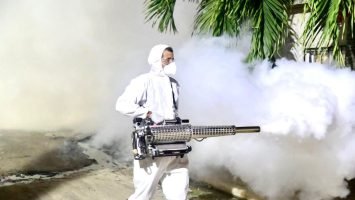
Health authorities in the Dominican Republic are intensifying efforts to prevent the spread of dengue through targeted fumigation, mosquito breeding-site removal, epidemiological surveillance and door-to-door education. The campaign involves public institutions, community organizations and private-sector partners, with resources concentrated in provinces reporting the highest number of infections.
According to the Ministry of Public Health’s epidemiological bulletin for week 40 of 2026, the country recorded 415 confirmed cases so far this year. La Altagracia led the provincial count with 131 cases, followed by La Romana with 37 and Puerto Plata with 33.
La Altagracia receives intensified mosquito-control operations
Public health teams have stepped up interventions in Higüey and Verón-Bávaro, two areas of La Altagracia targeted for expanded mosquito control and early detection of possible infections. The province’s case count makes it the main focus of the current response.
Provincial Health Director Wendy Castillo led a fumigation operation in the neighborhoods of Vista Hermosa, Cerro Lindo, Villa Palmera and Brisa Duey. The operation covered 114 streets, reached 342 homes and benefited 1,242 people, according to information released by the ministry.
Separate door-to-door visits covered another 433 homes. Teams removed 96 mosquito breeding sites found in tanks and inspected 355 tanks, 37 of which contained mosquito larvae. Preventive measures included applying BTI and Abate larvicides and distributing liquid chlorine, tank covers and mosquito nets.
Health teams screen residents and follow up on cases
Epidemiological surveillance has also been expanded in healthcare facilities and communities in Higüey, Anamuya and Verón. These activities are designed to identify possible infections earlier, facilitate testing and improve follow-up for people with suspected or confirmed dengue.
At the Anamuya Primary Care Unit, health workers identified 10 people experiencing fever and headaches, including eight children, and collected samples for laboratory analysis. The ministry also reported follow-up interventions for four confirmed cases in Villa Cerro, including visits to nearby homes and guidance for families.
These activities complement efforts to strengthen reporting and case management across the healthcare system. The ministry has trained hospital epidemiologists and personnel from the National Health Service (SNS) in timely notification, sample collection, data registration and the completion of epidemiological forms.
Tourism and community organizations join prevention efforts
The national strategy includes coordination with local authorities, emergency agencies, schools, community organizations and representatives of the tourism and business sectors. Cooperation is particularly relevant in La Altagracia, home to major visitor destinations including Punta Cana and Bávaro, where public health measures involve both residential communities and tourism-related establishments.
At a meeting of the Water, Sanitation and Hygiene Group (GASH) in Verón-Punta Cana, participating organizations coordinated measures targeting tire repair shops and informal dumping sites, while discussing ways to increase community involvement and promote prevention at tourism businesses.
Dengue is transmitted through infected mosquitoes, which can breed in containers holding stagnant water. Removing breeding sites is therefore a central part of prevention, alongside surveillance and public education. Residents and businesses can support these efforts by eliminating standing water around homes, workplaces and accommodation facilities.
Residents urged to recognize warning signs
The Ministry of Public Health advises residents to keep water storage containers tightly covered, regularly clean and turn over receptacles that may collect water, and discard unused objects that could become mosquito breeding sites. Anyone who develops a fever should seek medical advice and avoid self-medication.
Warning signs requiring immediate medical attention include severe abdominal pain, persistent vomiting, bleeding from the nose or gums, unusual drowsiness and irritability. These symptoms can indicate severe dengue and should not be ignored.
Dominican Republic reports a comparatively low incidence rate
The ministry reported a cumulative national dengue incidence rate of 4.89 cases per 100,000 inhabitants, describing it as up to 95% below the average for the Americas. Regional surveillance figures cited in the report indicate approximately 1.7 million suspected cases across the Americas, although comparisons depend on the reporting period, case definitions and the latest available regional data.
Despite the comparatively low national rate cited by authorities, the concentration of cases in La Altagracia underscores the need for targeted prevention. Continued mosquito-control operations, early detection and cooperation between households, communities and health services remain central to limiting further transmission.