 25°C
25°C
Law No. 16-92. Dominican Labor Law Explained: A Complete Guide for Employees and Employers
Understanding Dominican labor law is essential for anyone working, hiring, or doing business in the Dominican Republic. The country's labor system is governed primarily by the Dominican Labor Code (Law No. 16-92), which establishes employees' rights, employers' obligations, working conditions, compensation rules, and procedures for resolving workplace disputes. This guide explains the legal framework in clear language for international readers, expatriates, investors, employers, and workers.



The Dominican Republic has one of the most comprehensive labor law systems in the Caribbean. Employment relationships are regulated mainly by Law No. 16-92, the Dominican Labor Code, together with complementary regulations and constitutional protections. The legal framework aims to balance the interests of employers and employees while promoting stable employment, fair working conditions, and social protection.
For international companies, expatriates, foreign investors, and employees relocating to the Dominican Republic, understanding the country’s labor regulations is essential before hiring staff or accepting employment. Many employment conditions that are negotiable in other jurisdictions are established directly by law in the Dominican Republic, limiting the extent to which employers and employees may agree otherwise.
What Is the Dominican Labor Code?
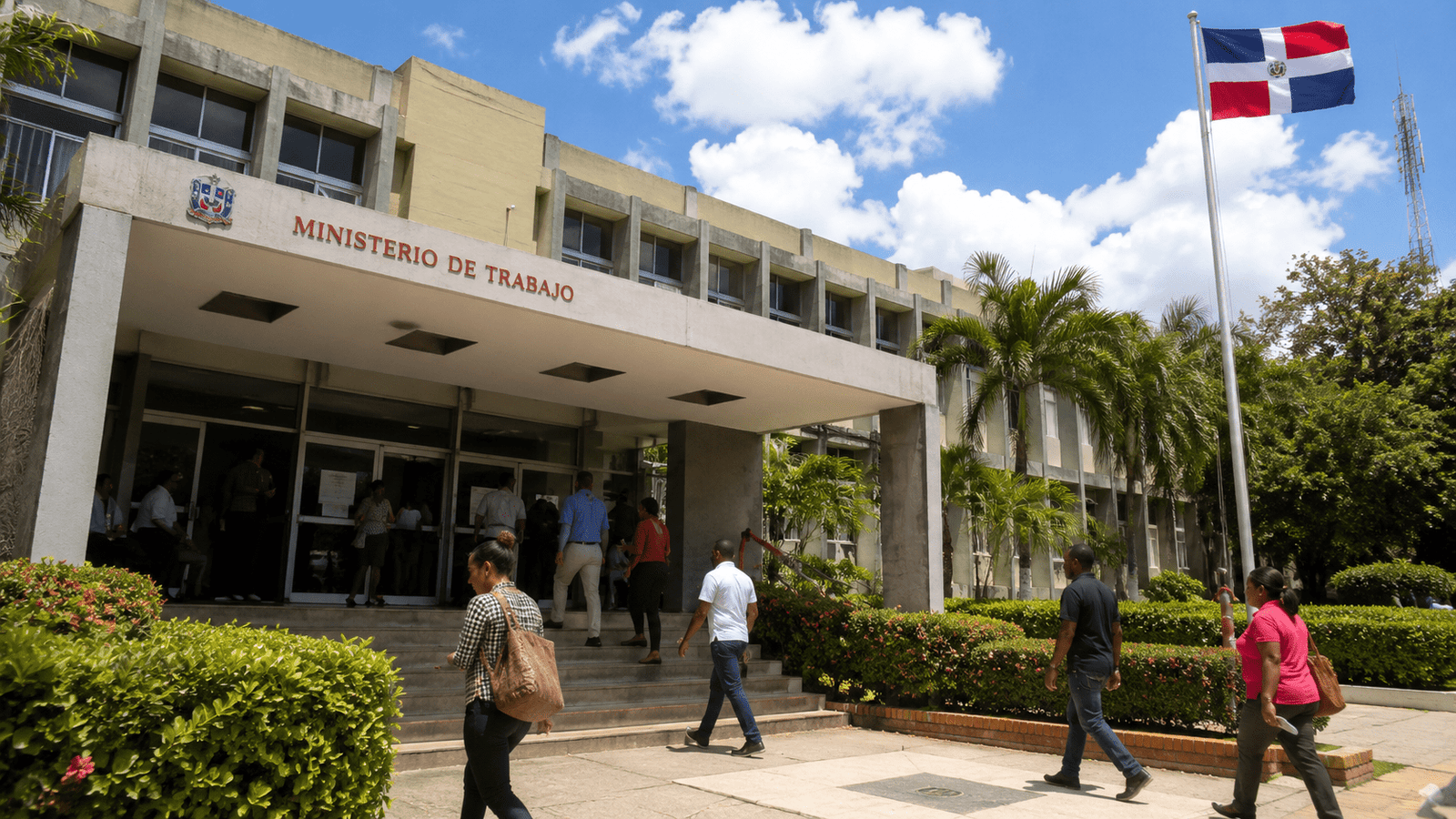
The Dominican Labor Code, enacted through Law No. 16-92, serves as the primary legislation governing private-sector employment throughout the Dominican Republic. It establishes the rights and obligations of both employers and employees, regulates employment contracts, determines working hours, sets rules for wages, vacation, maternity protection, termination procedures, and establishes mechanisms for resolving labor disputes.
The Labor Code reflects the principle that labor rights are generally considered matters of public policy. As a result, many employee protections cannot legally be waived through private agreements, even if both parties consent.
Who Does Dominican Labor Law Apply To?
The Labor Code generally applies to employment relationships in the private sector. It governs Dominican citizens as well as foreign nationals legally employed within the country.
Some categories of workers are subject to special legal regimes or additional legislation, including public servants, members of the armed forces, and certain regulated professions. Nevertheless, the Labor Code covers the vast majority of employment relationships involving private employers operating in the Dominican Republic.
Fundamental Principles of Dominican Labor Law
Several legal principles shape the interpretation and application of Dominican labor legislation.
- Protection of employees as the economically weaker party.
- Equal treatment without unlawful discrimination.
- Freedom of association and collective bargaining.
- Payment of fair wages for work performed.
- Respect for workplace health and safety standards.
- Recognition of mandatory labor rights that generally cannot be waived.
When interpreting labor disputes, Dominican courts generally favor interpretations consistent with the protective purpose of labor legislation, provided they remain within the framework established by the law.
Employment Contracts
An employment relationship may exist even when no written contract has been signed. Under Dominican labor law, the existence of an employment relationship depends primarily on the factual circumstances, particularly whether services are performed under the direction and supervision of an employer in exchange for compensation.
Although written contracts are recommended for legal certainty, many employment relationships are legally recognized based on the actual performance of work.
Indefinite-Term Contracts
The indefinite-term contract is the standard form of employment under Dominican labor law. Unless the nature of the work justifies another arrangement, employment relationships are generally presumed to continue indefinitely.
This type of contract provides employees with the greatest level of legal protection regarding termination and severance rights.
Fixed-Term Contracts
Fixed-term contracts may be used when justified by the temporary nature of specific work or services. They are generally appropriate when employment is linked to a defined project, seasonal activity, or another objective circumstance established by law.
Employers should avoid repeatedly renewing temporary contracts for permanent positions, as this may create legal risks depending on the circumstances.
Contracts for Specific Work
Some employment relationships are created exclusively for the completion of a particular project or service. Once the agreed work has been completed, the employment relationship normally concludes according to the applicable legal provisions.
Probationary Period
Unlike some jurisdictions that establish lengthy probationary periods by statute, Dominican labor law focuses primarily on the actual employment relationship rather than extensive probation mechanisms. Employers should ensure that hiring practices comply with the Labor Code and avoid assuming that probation automatically eliminates statutory employee protections.
Working Hours
The Labor Code regulates maximum working hours while allowing different schedules depending on the type of work performed.
As a general rule, the normal working schedule may not exceed:
- Eight hours per day.
- Forty-four hours per week.
Different rules may apply in specific sectors or occupations where the nature of the work requires special scheduling arrangements.
Day Shift and Night Shift
The Labor Code distinguishes between daytime and nighttime work because working conditions may differ depending on the hours performed.
Night work is generally subject to specific legal rules regarding compensation and scheduling intended to recognize its different working conditions.
Meal Breaks and Daily Rest
Employees are generally entitled to breaks during the working day. The duration and scheduling of these breaks depend on the daily work schedule and applicable legal requirements.
Employers are expected to organize work schedules that allow employees adequate rest while maintaining business operations.
Weekly Rest Period
Employees are generally entitled to a continuous weekly rest period. In most workplaces this corresponds to at least thirty-six consecutive hours, although operational requirements in certain industries may justify alternative scheduling consistent with labor regulations.
When employees work during mandatory rest periods under legally permitted circumstances, additional compensation or substitute rest may apply according to the Labor Code.
Overtime Work
Work performed beyond the statutory working hours is generally considered overtime and must be compensated according to the premium rates established by Dominican labor legislation.
Employers should maintain accurate records of employees’ working hours to demonstrate compliance with wage and overtime requirements.
| Working Time | General Rule |
|---|---|
| Maximum daily hours | 8 hours |
| Maximum weekly hours | 44 hours |
| Weekly rest | At least 36 consecutive hours (general rule) |
| Overtime | Paid according to statutory premium rates |
Public Holidays
The Dominican Republic observes several national public holidays established by law. Employees required to work during applicable holidays may be entitled to additional compensation or other benefits depending on the circumstances and the applicable legal provisions.
Both employers and employees should verify the official annual holiday calendar published by the relevant Dominican authorities, as certain holidays may be observed under specific scheduling rules.
What’s Next?
The first part of this guide has explained the legal foundations of Dominican labor law, employment contracts, working hours, overtime, and rest periods. The next section examines wages, minimum salary regulations, mandatory employee benefits, annual leave, maternity rights, paternity leave, and the Dominican social security system.
Wages and Salary Payments
Employers must pay employees the salary agreed upon in the employment contract, provided it is not lower than the applicable minimum wage established by the National Salary Committee (Comité Nacional de Salarios). Minimum wage rates vary depending on factors such as the employer’s economic sector and company size, meaning there is no single nationwide minimum wage applicable to every private-sector worker.
Wages must generally be paid in Dominican pesos unless another payment method is legally permissible. Employers are expected to pay salaries on the schedule established in the employment agreement while maintaining accurate payroll records.
Minimum Wage in the Dominican Republic
Minimum wages are periodically reviewed and adjusted by the National Salary Committee after consultation with representatives of employers, employees, and the government. Because these rates change over time and differ across sectors, employers should always verify the latest official resolutions before determining employee compensation.
In addition to general private-sector wages, separate minimum wage schedules may apply to domestic workers, free trade zone employees, agricultural workers, security personnel, and other specific categories.
Mandatory Overtime Compensation
Employees who work beyond the legal working schedule are generally entitled to overtime compensation calculated according to the premium percentages established by the Labor Code.
The applicable premium depends on the number of additional hours worked and the circumstances under which the overtime is performed.
| Type of Work | General Rule |
|---|---|
| Regular working hours | Paid at the agreed salary |
| Overtime | Premium rates established by law |
| Holiday work | May require additional compensation depending on the applicable provisions |
The Christmas Salary (Salario de Navidad)
One of the most distinctive features of Dominican labor law is the mandatory Christmas Salary, commonly known as the Salario de Navidad or “13th salary.”
Employers must generally pay eligible employees an additional annual payment calculated according to the rules established in the Labor Code. This payment is separate from regular monthly wages and is typically due no later than December 20 of each year.
The Christmas Salary is considered a mandatory employment benefit rather than a discretionary bonus.
Profit Sharing
Many private-sector employers are also required to share a percentage of their annual net profits with eligible employees. The Labor Code establishes the conditions under which profit sharing applies as well as certain exemptions for specific types of employers.
The amount payable depends on the company’s financial results and the legal formula established by Dominican labor legislation.
Annual Paid Vacation
Employees who complete the required period of continuous service become entitled to paid annual vacation.
The number of vacation days generally increases with the employee’s length of service.
| Length of Service | Minimum Paid Vacation |
|---|---|
| After one year of service | 14 working days |
| After five years of continuous service | 18 working days |
Vacation leave should normally be granted within the period established by law, allowing employees sufficient time for rest and recovery.
Paid Leave
In addition to annual vacation, employees may be entitled to several forms of paid leave under specific circumstances established by the Labor Code.
Examples include:
- Marriage leave.
- Bereavement leave following the death of close family members.
- Leave related to childbirth.
- Other statutory leave provided under Dominican labor legislation.
Maternity Protection
The Labor Code provides extensive protections for pregnant employees. These protections include maternity leave, safeguards against unlawful dismissal under specific circumstances, and the right to return to work after the protected leave period in accordance with the applicable legal requirements.
Maternity leave is intended to protect both the health of the mother and the newborn child while preserving employment rights.
Paternity Leave
Eligible fathers are also entitled to a limited period of paid leave following the birth of a child, allowing them to support their family during the immediate post-birth period.

Occupational Health and Safety
Employers have a legal duty to provide a workplace that complies with occupational health and safety standards. Depending on the industry, this may include implementing preventive measures, providing personal protective equipment, offering employee training, and complying with technical safety regulations issued by the competent authorities.
Employees are likewise expected to follow workplace safety rules and use protective equipment when required.
The Dominican Social Security System
Most employees in the formal private sector participate in the Dominican Social Security System, established under Law No. 87-01. The system is financed through contributions made by both employers and employees.
The social security framework includes several key components:
- Health insurance.
- Pension insurance.
- Occupational risk insurance.
The system is administered by specialized public institutions and authorized private entities operating under national regulations.
Payroll Contributions
Employers are responsible for registering eligible employees with the appropriate social security authorities and making mandatory payroll contributions within the deadlines established by law.
Failure to comply with contribution requirements may result in administrative penalties and financial liabilities.
Payroll Records
Dominican labor legislation requires employers to maintain accurate employment records. These records help demonstrate compliance with wage payments, working hours, social security contributions, vacation entitlements, and other statutory obligations.
Proper documentation is particularly important if a labor dispute arises or government authorities conduct an inspection.
What’s Next?
The final part of this guide explains employment termination, severance pay (cesantía), employee resignation, dismissal procedures, labor courts, dispute resolution, labor inspections, collective bargaining, common employer compliance mistakes, and answers to frequently asked questions about Dominican labor law.
Employment Termination Under Dominican Labor Law
The Dominican Labor Code establishes several legal methods for ending an employment relationship. Each method has different legal consequences regarding notice requirements, severance pay, accrued benefits, and the parties’ respective rights and obligations.
Because termination procedures are highly regulated, employers should ensure that every dismissal complies with the Labor Code. Employees should also understand their legal rights before accepting a termination agreement or signing settlement documents.
Common Forms of Employment Termination
The Labor Code recognizes several ways an employment relationship may legally end, including:
- Mutual agreement between employer and employee.
- Employee resignation.
- Dismissal for legally recognized cause.
- Termination initiated by the employer without alleging serious misconduct.
- Completion of a fixed-term contract or specific project, where applicable.
- Other situations expressly recognized by Dominican labor legislation.
Employee Resignation
An employee may voluntarily resign from employment. Depending on the circumstances, resignation may occur without employer liability for severance payments, although employees remain entitled to receive any unpaid salary, accrued vacation, the proportional Christmas Salary, and other benefits already earned.
To avoid future disputes, resignations are commonly documented in writing.
Dismissal for Cause
The Labor Code permits employers to dismiss employees for specific acts of misconduct recognized by law. Examples may include serious breaches of workplace obligations, dishonesty, repeated violations of company rules, or other legally established grounds.
When an employer relies on dismissal for cause, the legal requirements and applicable notification procedures must be followed. Failure to comply may expose the employer to financial liability if the dismissal is later found to be unjustified.
Termination Without Cause and Severance Pay
When an employer terminates an indefinite-term employment relationship without establishing one of the legally recognized causes for dismissal, the employee is generally entitled to statutory severance benefits, commonly referred to as cesantía.
The amount of severance depends primarily on the employee’s length of continuous service with the employer. In addition to severance, employees may also be entitled to receive outstanding wages and other accrued employment benefits.
| Employment Benefit | Generally Payable Upon Termination* |
|---|---|
| Outstanding salary | Yes |
| Accrued vacation | Yes, if applicable |
| Proportional Christmas Salary | Yes |
| Statutory severance (cesantía) | Depends on the legal basis for termination |
*The specific entitlement depends on the circumstances of the termination and the applicable provisions of the Labor Code.
Notice Requirements
Depending on the method of termination, Dominican labor law may require advance notice or payment in lieu of notice. The applicable notice period generally varies according to the employee’s length of service.
Both employers and employees should comply with the statutory notice requirements to avoid unnecessary disputes or financial consequences.
Final Settlement
When employment ends, employers are expected to calculate and pay all amounts legally owed within the applicable legal deadlines. This may include unpaid wages, accrued vacation, proportional statutory benefits, and severance where required.
Maintaining clear payroll records and written documentation helps reduce the risk of disagreements regarding the final settlement.
Labor Inspections
The Ministry of Labor (Ministerio de Trabajo) is responsible for supervising compliance with labor legislation in the private sector. Labor inspectors may review employment records, payroll documentation, working conditions, and compliance with health and safety obligations.
Employers are generally expected to cooperate during inspections and provide the documentation required by law.
Labor Dispute Resolution
Disagreements between employers and employees may sometimes be resolved through direct negotiation or mediation. When disputes cannot be settled voluntarily, they may be brought before the Dominican labor courts.
The labor justice system is designed to resolve disputes involving wages, dismissals, employment benefits, contract interpretation, workplace rights, and other matters governed by the Labor Code.
Collective Labor Rights
Dominican labor legislation recognizes employees’ rights to organize, join labor unions, and participate in collective bargaining under the conditions established by law.
Collective labor relations are governed by specific provisions of the Labor Code intended to balance employees’ organizational rights with employers’ operational interests.
Employer Compliance Best Practices
Employers operating in the Dominican Republic can reduce legal risk by adopting sound human resources practices and maintaining complete employment documentation.
- Use clear written employment contracts whenever appropriate.
- Maintain accurate payroll and attendance records.
- Register eligible employees with the Social Security System.
- Pay wages and statutory benefits on time.
- Document disciplinary actions when necessary.
- Follow legal procedures before terminating employment.
- Keep personnel files up to date.
- Monitor changes to labor regulations and minimum wage resolutions.
Common Mistakes Employers Should Avoid
- Misclassifying permanent employees as temporary workers.
- Failing to maintain adequate payroll documentation.
- Ignoring overtime requirements.
- Missing statutory payment deadlines.
- Improperly calculating severance benefits.
- Assuming foreign employment practices automatically apply in the Dominican Republic.
Frequently Asked Questions
Is a written employment contract mandatory?
No. An employment relationship may exist even without a written contract if the legal elements of employment are present. However, written agreements are strongly recommended because they provide greater legal certainty.
Can foreign nationals work in the Dominican Republic?
Yes. Foreign nationals may work in the Dominican Republic provided they comply with applicable immigration and employment requirements. Employers should also ensure compliance with any workforce composition rules established by Dominican labor legislation.
Does every employee receive a Christmas Salary?
Eligible employees covered by the Labor Code are generally entitled to the statutory Christmas Salary calculated according to the provisions of the law.
Who enforces labor law?
The Ministry of Labor oversees labor inspections and administrative compliance, while labor courts resolve employment disputes that cannot be settled through other legal mechanisms.
Where can employers and employees find official information?
The most reliable sources include the Ministry of Labor, the Dominican Labor Code (Law No. 16-92), the Dominican Social Security Treasury (Tesorería de la Seguridad Social), and other government institutions responsible for employment and social security administration.
Official Resources