 24°C
24°C
Dominican Republic Approves 100% Coverage for 13 High-Cost Medicines
The Dominican Republic's National Social Security Council has approved a new fund that will provide full coverage, without copays, for 13 high-cost medicines used to treat 16 catastrophic diseases, expanding financial protection for patients and their families.


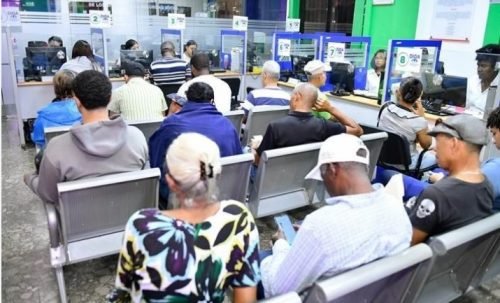
The National Social Security Council (CNSS) has approved the creation of a High-Cost Medicines Fund, known as FOMAC, that will finance 13 medicines at 100% coverage for patients receiving treatment for 16 catastrophic diseases.
The measure is designed to expand access to expensive treatments through the Dominican Republic’s social security system while reducing the amount patients and families must pay directly for complex medical care. The medicines financed through the fund will have no copayments or additional patient charges.
New Fund Will Finance High-Cost Treatments
FOMAC is intended to centralize the financing and procurement of selected high-cost medicines rather than relying exclusively on the existing mechanisms used to provide coverage. The CNSS said the model will allow joint purchasing, potentially generating economies of scale while improving the continuity of treatment.
The initiative is particularly relevant for patients whose therapies involve medicines that can place a substantial financial burden on households. By financing the selected medicines directly through the fund, the system aims to reduce out-of-pocket spending and help prevent interruptions caused by shortages or other access problems.
The initial group of treatments covers complex conditions including several types of cancer, as well as diseases such as rheumatoid arthritis, psoriasis, inflammatory bowel disease, acromegaly and spinal muscular atrophy.
SISALRIL Proposal Led to the Decision
The measure followed a proposal from the Superintendence of Health and Occupational Risks (SISALRIL), the institution responsible for regulating and supervising health and occupational-risk coverage within the Dominican social security system.
The proposal was reviewed by the CNSS’s permanent Health and Budget, Finance and Investment commissions before receiving approval. Representatives from social security institutions, health risk administrators, professional groups and the pharmaceutical industry also participated in the evaluation process.
The CNSS said the proposal was assessed from technical, actuarial, financial, operational, legal and sustainability perspectives. The design also includes mechanisms intended to protect continuity of treatment and a financial reserve for extraordinary situations, including supply shortages or unexpected increases in demand.
FOMAC Will Operate Through the Social Security Treasury
Management of the fund will be handled by the Directorate of Access to High-Cost Medicines (DAMAC) of the Ministry of Public Health and Social Assistance, while the financial mechanism will operate through a specialized account administered by the Treasury of Social Security (TSS).
The fund will not begin full coverage immediately. The first 12 months will be dedicated to capitalization and operational preparations, allowing resources to accumulate and the necessary conditions for medicine distribution and coverage to be established.
This transition period is intended to ensure that the system has the financial and operational capacity required before the new benefit begins. The CNSS said the arrangement will also support more coordinated purchasing of specialized medicines.
Potential Impact on Patients and Families
The creation of FOMAC represents a change in how selected high-cost medicines are financed within the Dominican social security system. For eligible patients, the central feature is the elimination of copayments for the medicines included in the fund.
The policy also addresses a broader challenge in the health system: ensuring that patients with complex diseases can maintain treatment over time rather than facing interruptions caused by financial limitations, supply problems or changes in demand.
For families dealing with serious illnesses, reducing direct medical expenses can have consequences beyond the cost of the medicine itself. High-cost treatments can place sustained pressure on household finances, making reliable access an important part of effective health coverage.
FOMAC’s eventual performance will depend on its capitalization, procurement arrangements and ability to maintain supplies as demand changes. The 12-month preparation period will therefore be an important stage before the new coverage becomes operational.