 26°C
26°C

Adult Vaccination: Why Vaccines Still Matter After Childhood
Vaccination is often associated with childhood, but protection against infectious diseases remains important throughout adulthood. Age, health conditions, occupation, lifestyle and international travel can all influence which vaccines or booster doses may be recommended, making regular vaccination reviews an important part of preventive healthcare.


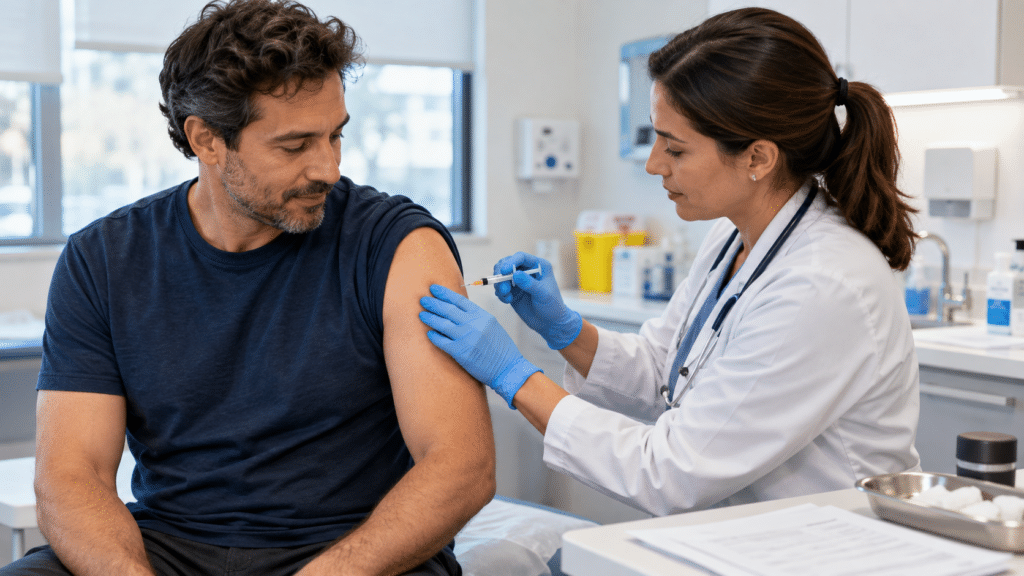
Vaccination is often associated with childhood, but protection against infectious diseases remains important throughout adulthood. Age, health conditions, occupation, lifestyle and international travel can all influence which vaccines or booster doses may be recommended, making regular vaccination reviews an important part of preventive healthcare.
Why Vaccination Still Matters in Adulthood
Many people think of vaccination as something that is completed during childhood. However, adult vaccination remains an important part of preventive healthcare, as some vaccines require booster doses while others become relevant later in life.
The World Health Organization considers vaccination one of the most effective ways of preventing infectious diseases. Protection can become particularly important when people reach different stages of life, develop certain health conditions or face new forms of exposure.
For adults, vaccination recommendations can include protection against diseases such as influenza, measles, tetanus, diphtheria, pertussis and COVID-19, although the specific recommendations depend on factors such as age, previous vaccination history and individual circumstances.
Vaccines Can Change With Age and Circumstances
There is no single vaccination schedule that applies equally to every adult. The vaccines a person may need can change as their circumstances change.
Age is one important factor. Certain infections can cause more serious complications among older adults, which is why some vaccines become particularly relevant later in life.
Health conditions can also influence vaccination recommendations. People with certain chronic conditions or weakened immune systems may have different recommendations from otherwise healthy adults.
Occupation and lifestyle can also affect exposure to infectious diseases. Healthcare workers, laboratory personnel and people who have regular contact with animals may face different risks from the general population.
Pregnancy is another situation in which vaccination recommendations can change. Some vaccines may be recommended during pregnancy, while others may not be appropriate depending on the circumstances.
The Importance of Keeping Vaccination Records
Knowing which vaccines a person has already received can make future healthcare decisions considerably easier. Yet many adults do not have complete access to their childhood or previous vaccination records.
People may change doctors, move to another country or simply lose track of when they received particular vaccines. Maintaining an up-to-date vaccination record can help healthcare professionals determine whether additional doses or boosters may be appropriate.
Keeping these records is particularly useful before international travel. The U.S. Centers for Disease Control and Prevention recommends that travelers make sure their routine vaccinations are up to date before leaving the country.
International Travel Can Affect Vaccination Recommendations
International travel is another reason adults may need to review their vaccination status. Millions of people cross borders every year for holidays, business, education, family visits and relocation, potentially encountering infectious diseases that are less common where they normally live.
However, this does not mean that every traveler needs additional vaccines. Recommendations can depend on the destination, length of the trip, planned activities, time of year and individual health circumstances.
Travelers should therefore distinguish between their routine adult vaccinations and any additional protection that may be recommended for a particular destination.
For readers preparing for a trip to the Caribbean, our guide to vaccines for the Dominican Republic provides destination-specific information that can be consulted alongside general travel-health advice.
Routine Vaccination Is Also Important Before Travel
Travel vaccination is not limited to vaccines specifically associated with exotic or tropical diseases. Before an international trip, travelers should also check whether their routine vaccinations are up to date.
For example, measles remains highly contagious, and international travel can contribute to the movement of the virus between countries. Travelers who are not adequately protected may therefore face risks that are unrelated to the specific destination they are visiting.
The CDC recommends that international travelers review their measles, mumps and rubella vaccination status before departure. This is particularly relevant because measles can spread rapidly among people who have not developed immunity.
Vaccination Is Only One Part of Travel Health
Vaccines can provide important protection, but they are not the only health measure travelers should consider.
Some infectious diseases do not have routinely available vaccines, meaning that travelers may need to rely on other preventive measures. Depending on the destination, these can include protecting against mosquito bites, practicing good hand hygiene, being careful with food and water, and avoiding contact with potentially infected animals.
The World Health Organization recommends that travelers consider potential health risks before departure and obtain appropriate advice based on their destination and personal circumstances.
This is particularly important because health risks can vary significantly between countries and even between different regions within the same country.
Why Planning Vaccination Before a Trip Matters
Travelers should ideally review their vaccination status well before departure rather than waiting until the last few days before a trip.
Some vaccines require multiple doses, while others may take time to provide optimal protection. The CDC recommends arranging a travel-health consultation around four to six weeks before international departure when possible.
The World Health Organization similarly advises travelers to seek health advice several weeks before a trip. Even when departure is approaching, however, a medical consultation can still be useful.
Planning ahead also gives travelers time to check their medical records and identify any routine vaccinations that may have been missed.
Which Adults Should Review Their Vaccinations?
A vaccination review can be useful for any adult who has not checked their immunization history for several years. It can be particularly relevant when there has been a significant change in circumstances.
Healthcare professionals may consider factors such as:
- Age and the increased risk associated with certain infections.
- Previous vaccination history and whether recommended doses were completed.
- Medical conditions that may affect the risk of complications.
- Occupation and potential exposure to infectious diseases.
- Pregnancy or plans for pregnancy.
- International travel and the destination involved.
- Seasonal risks, including influenza and other circulating infections.
The appropriate vaccination schedule varies from person to person and can also differ between countries. Adults should therefore consult a qualified healthcare professional or their national health authority for recommendations applicable to their specific circumstances.
Vaccination as a Lifelong Process
The idea that vaccination belongs exclusively to childhood does not reflect the way modern preventive healthcare works.
Some vaccines provide long-lasting protection after the recommended series, while others require booster doses or become relevant because a person’s age, health, occupation or circumstances have changed.
International travel can also introduce new considerations, making it useful to review vaccination records before visiting another country.
Ultimately, adult vaccination is part of a lifelong approach to disease prevention. Keeping vaccination records up to date and reviewing them periodically can help people make informed decisions about their health before exposure to infectious diseases becomes a concern.