 28°C

CONEP Urges Congress to Delay Corporate Criminal Liability Rules
The National Council of Private Enterprise (CONEP) has urged the Dominican Congress to accelerate approval of legislation postponing the implementation of corporate criminal liability provisions under the country's new Penal Code. With the original deadline set for November 5, 2026, the business organization says companies need additional time to establish compliance programs, internal controls and prevention mechanisms before the new legal framework takes effect.


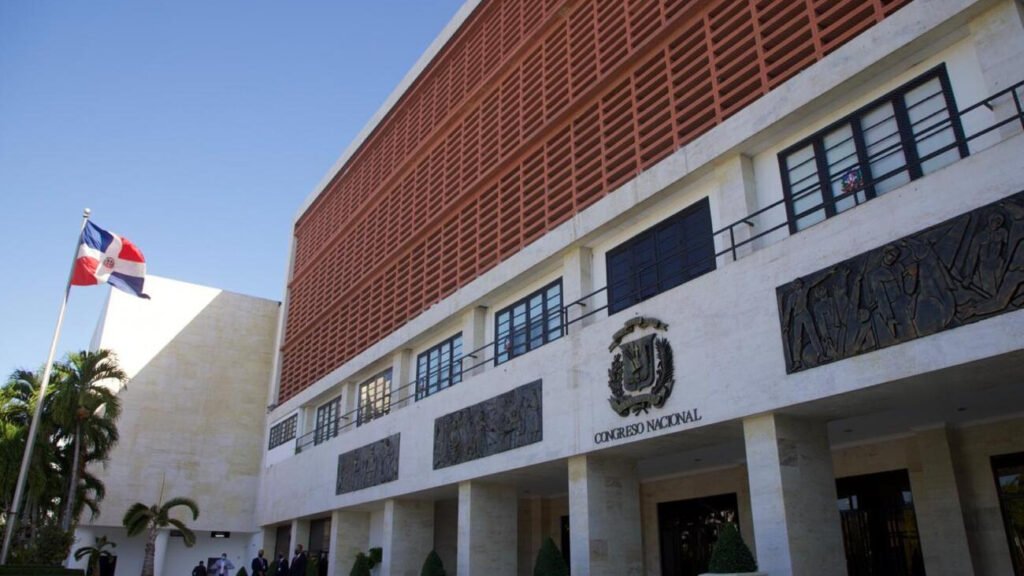
The Dominican Republic’s business community is calling for more time to prepare for a major change in corporate criminal liability, as a proposed legislative extension approaches a critical deadline. The National Council of Private Enterprise (CONEP) has formally asked both chambers of Congress to complete the approval process for a bill postponing the implementation of the relevant provisions of the new Penal Code.
In separate communications addressed to Senate President Ricardo de los Santos and Chamber of Deputies President Alfredo Pacheco, the business organization welcomed the Senate’s decision to declare the initiative urgent and approve it. However, it warned that the remaining legislative steps must be completed before November 5, 2026, when the corporate liability provisions are scheduled to take effect under the existing timetable.
The proposal was introduced by Senator Rafael Barón Duluc Rijo and seeks to extend the preparation period for companies and other legal entities facing the new criminal liability framework.
CONEP Calls for Faster Legislative Approval
CONEP considers the proposed extension necessary to ensure that the new corporate criminal liability regime can be implemented in an orderly and effective manner. In its communications to Congress, the organization argued that businesses need sufficient time to adapt their organizational structures, internal policies and operating procedures to the new legal requirements.
The Senate approved the initiative under an expedited procedure on October 21, 2026. The proposal subsequently moved to the Chamber of Deputies, where lawmakers must complete their review before the measure can proceed to the presidential promulgation stage.
The urgency of the request reflects the limited time remaining before November 5. On October 31, the Chamber of Deputies formally received the bill, bringing the initiative to the next stage of the legislative process. The proposal seeks to postpone the application of the relevant provisions until November 5, 2028, providing an additional two years for preparation.
However, Senate approval alone does not change the existing legal deadline. The extension must complete the remaining constitutional procedures before it can take effect.
Why Businesses Want More Time to Prepare
The proposed extension is particularly relevant because the new framework requires companies to develop internal systems capable of preventing, identifying and addressing conduct that could expose them to criminal liability.
CONEP identified several areas requiring preparation, including:
Corporate compliance programs and internal prevention policies.
Internal control systems and procedures for assessing potential risks.
Reporting channels through which employees and other stakeholders can raise concerns about possible misconduct.
Internal evaluation mechanisms to monitor compliance with legal obligations.
These measures require organizations to review their existing governance structures and establish procedures appropriate to their activities and exposure to risk.
The organization argues that a longer preparation period would help businesses implement these systems more effectively rather than adopting procedures simply to meet an immediate legal deadline.
Legal Certainty and Proportionality Are Central Concerns
Beyond the preparation of individual companies, CONEP believes the justice system must also be ready to apply the new rules consistently. The organization says the additional time would allow judicial authorities and other legal institutions to strengthen their understanding of corporate criminal liability and establish clearer institutional criteria.
One of its main concerns is the need for transparent standards when determining whether a legal entity should be held criminally responsible. It also wants objective criteria for evaluating the effectiveness of corporate compliance programs.
CONEP argues that these assessments should take into account the nature, size, business activity, organizational structure and risk exposure of each entity. A framework that considers these differences would help establish more predictable and proportionate standards of enforcement.
For companies operating in the Dominican Republic, legal certainty is particularly important when designing internal compliance policies, allocating resources and assessing potential exposure under the country’s criminal legislation.
What the Proposed Extension Would Change
The legislative initiative focuses on the provisions governing the criminal liability of legal entities within the Dominican Republic’s new Penal Code framework. In particular, it seeks to modify Article 31 of Law 44-26, which established the original timetable for the implementation of the relevant provisions.
The proposed amendment concerns Articles 8, 9, 10 and 11 of the Penal Code, dealing with different aspects of corporate criminal liability. Under the Senate-approved proposal, their implementation would be postponed until November 5, 2028, instead of November 5, 2026.
The distinction is important because the proposal does not seek to postpone the entire Penal Code. Its scope is specifically directed at the provisions governing the criminal responsibility of companies and other legal entities.
Until the amendment completes the legislative process and receives the necessary promulgation, the existing implementation timetable remains relevant.
Both Chambers Face a Tight Legislative Deadline
In its letter to Senate President Ricardo de los Santos, CONEP requested that he support the continuation of the legislative process and ensure the initiative is forwarded promptly to the Chamber of Deputies.
The organization also addressed Chamber of Deputies President Alfredo Pacheco, asking him to advance consideration of the bill as soon as it reaches the lower chamber.
The Chamber’s receipt of the proposal on October 31 means that the next stage of the process is now particularly time-sensitive. Lawmakers are expected to consider the initiative ahead of the November 5 deadline, with a session scheduled for November 3, according to parliamentary reporting.
If the proposal is not approved and promulgated in time, the original implementation date will remain in place unless another legally effective measure changes it.
CONEP Reaffirms Its Commitment to Corporate Compliance
CONEP has reiterated its commitment to strengthening the Dominican Republic’s institutional framework and promoting a business culture based on integrity, transparency and regulatory compliance.
The organization also expressed its willingness to provide technical assistance during the review and implementation of the new provisions, particularly in areas related to corporate governance, prevention mechanisms and compliance standards.
The outcome of the legislative process will determine whether Dominican businesses receive the additional preparation period requested by the private sector. For companies, investors and legal professionals operating in the country, the immediate priority is to monitor the final congressional decision and distinguish between the proposed extension and the legal provisions currently in force.