 22°C
22°C

US Proposes Permanent $103,265 Fee for New H-1B Visas
The U.S. Department of Homeland Security has proposed a $103,265 fee for new H-1B petitions subject to the annual visa cap, reviving a six-figure charge after a federal court struck down the Trump administration’s earlier $100,000 measure.


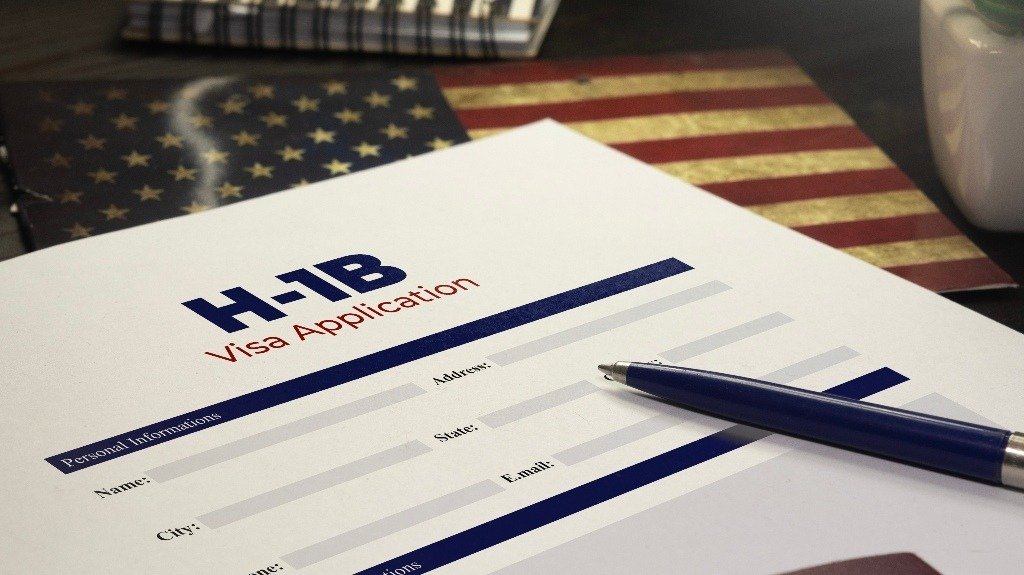
The proposed H-1B visa fee would apply to cap-subject petitions filed by U.S. employers seeking to hire highly skilled foreign professionals. The measure was published as a proposed regulation and will be open to public comments for 30 days before the Department of Homeland Security (DHS) can decide whether to make it permanent.
DHS says the additional charge is intended to recover part of the federal government’s costs for administering the lawful immigration system. The agency estimates that the fee could generate about $8.8 billion a year, based on approximately 85,000 cap-subject H-1B petitions.
A New Approach After the Court Challenge
The proposal follows the administration’s earlier attempt to impose a $100,000 charge through a presidential proclamation issued in September 2025. A federal judge in Massachusetts ruled in June 2026 that the measure was unlawful, finding that the executive branch had exceeded its authority by imposing what amounted to a tax without congressional authorization.
The legal dispute is continuing on appeal. The new DHS proposal takes a different route by using the federal regulatory process to establish the charge. The proposed rule relies on statutory authority governing immigration administration rather than the presidential proclamation used for the earlier $100,000 payment.
The new charge would be imposed in addition to other applicable H-1B fees. It would apply to petitions subject to the annual cap, including cases eligible for the advanced-degree exemption.
Who Would Face the New H-1B Fee?
The H-1B program allows U.S. employers to sponsor foreign professionals for specialty occupations, including positions in technology, engineering, medicine, science and information technology. The annual cap covers 65,000 visas, plus another 20,000 places for foreign workers with qualifying advanced degrees from U.S. institutions.
The proposed $103,265 charge would not apply to H-1B petitions outside the annual cap. That includes certain petitions filed by nonprofit research organizations, government research organizations and institutions of higher education.
The proposal also would not create a new charge for H-1B renewals, because the additional fee is specifically aimed at cap-subject petitions. Certain workers already in the United States under student-related immigration status would likewise be outside the scope described in the proposal.
Employers Face a Major Increase in Hiring Costs
A six-figure fee would represent a substantial additional expense for employers seeking access to international talent. Technology companies are among the most prominent users of the H-1B system, but hospitals, universities, research institutions and other organizations also rely on the program to fill specialized positions.
Critics of the proposal argue that such a large cost could make it harder for employers to recruit foreign professionals, particularly in fields where companies and institutions already compete for specialized workers. The potential impact extends beyond technology to areas such as medicine, engineering and scientific research.
The Trump administration has defended tighter restrictions on the H-1B system, arguing that the program has sometimes been used to replace U.S. workers with foreign employees receiving lower wages. The proposed rule frames the new charge primarily as a way to recover government costs associated with immigration administration, including adjudication, fraud detection, security screening, systems modernization and immigration court operations.
Public Comments Will Come Before a Final Decision
The proposal is not yet a final rule. The public will have 30 days to submit comments, after which DHS will review the feedback before determining whether and how to proceed.
For employers that depend on the H-1B program, the regulatory process creates another period of uncertainty over the future cost of sponsoring foreign professionals. The proposal also places the administration’s immigration policy back in the spotlight after the courts rejected its earlier attempt to impose a $100,000 charge outside the standard rulemaking process.