 25°C
25°C

Dominican Republic Allocates Recovered Corruption Funds to 40 Sports Projects
The Dominican government has directed RD$2 billion recovered from corruption cases toward 40 sports infrastructure projects across 15 provinces, including new multipurpose courts, renovated baseball stadiums and a major sports arena in La Vega.


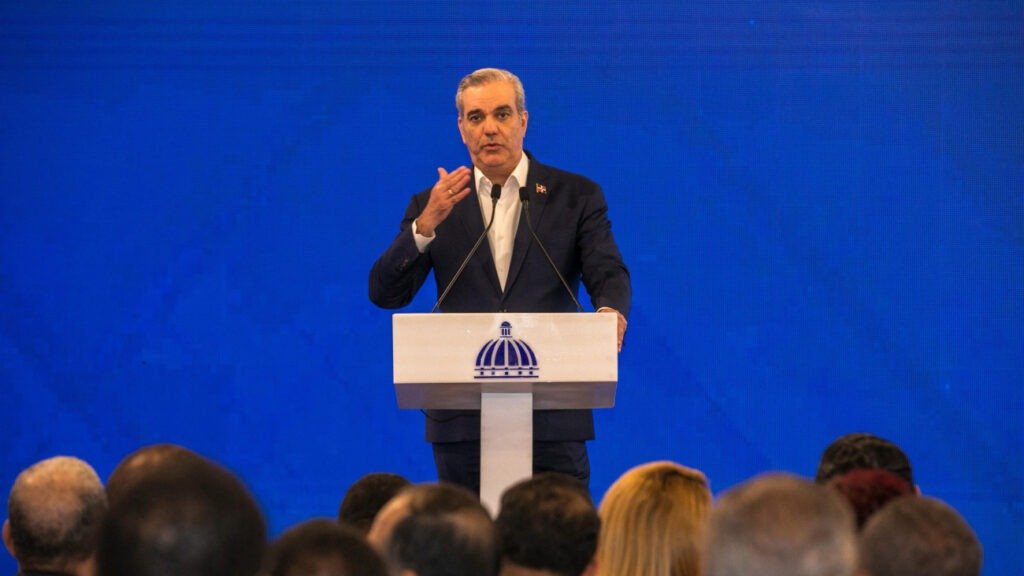
The Dominican government has allocated RD$2 billion recovered from corruption cases to the construction, reconstruction and renovation of sports facilities nationwide, with the program’s total estimated cost reaching RD$2.232 billion, according to figures presented by Sports Minister Kelvin Cruz on October 8.
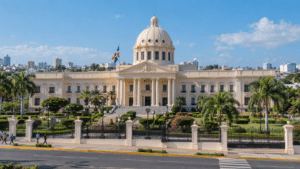
The initiative covers 40 projects across 15 of the Dominican Republic’s 32 provinces. The additional RD$232 million needed beyond the original allocation is being managed through the Office of the Presidency, Cruz said during a press conference led by President Luis Abinader at the National Palace.
The projects target communities lacking adequate sports facilities, as well as existing complexes that have deteriorated over time. The government says the investment is intended to expand access to sports and provide spaces for community activities, particularly for children and young people.
Where the RD$2 billion is being invested
One of the largest components involves the construction of 22 covered multipurpose sports facilities, with an estimated investment exceeding RD$713 million. Fourteen of these facilities are planned for the southern region, according to the Sports Ministry’s presentation.
The projects include facilities in Villa Hermosa in La Romana province; El Pino in Dajabón; Veragua and San Víctor in Espaillat; Sabana Iglesia and Puñal in Santiago; Hostos in Duarte; Matanzas in Peravia; and several municipalities in Azua, Barahona, Independencia and Elías Piña.
Other covered courts are planned for communities including Los Cacaos in San Cristóbal. Individual project budgets vary, with several facilities receiving allocations of approximately RD$28 million to RD$32 million.
The distribution reflects the government’s stated objective of extending sports infrastructure to municipalities that have lacked suitable venues for organized sports and community activities.
Major renovations in San Pedro de Macorís and San Juan
San Pedro de Macorís is another major focus of the program, with 12 planned interventions across its Olympic sports complex and other facilities in the province. The announced projects include renovations to athletics, baseball, softball, weightlifting, wrestling and archery facilities, along with improvements to the Olympic Village and surrounding infrastructure.
Among the largest individual allocations in San Pedro de Macorís are approximately RD$112 million for the athletics track, RD$28 million for a youth baseball field and RD$26 million for the baseball stadium in Consuelo. The combined investment in the listed interventions exceeds RD$300 million.
In San Juan de la Maguana, the government has included the reconstruction of the Hermanos Suárez baseball stadium, with an investment of approximately RD$76 million. The project is intended to restore a facility used by local baseball players and aspiring young athletes.
La Vega receives RD$842 million for a new arena
La Vega accounts for one of the program’s most substantial individual projects: a new sports arena estimated to cost RD$842 million.
The investment responds to longstanding demands for improved sports infrastructure in the province. The existing arena, built in 2002, had deteriorated significantly, according to the information presented by the Sports Ministry.
The broader renovation program in La Vega also includes improvements to sports training facilities and other parts of the Olympic complex. Separate government announcements have identified work involving the baseball stadium, athletics track, basketball arena, tennis courts, swimming pool and facilities for gymnastics, table tennis, weightlifting and combat sports.
The arena is expected to become a major venue for sporting events, while the wider complex will provide upgraded training and competition facilities for athletes.
How the government says the projects will be monitored
The government has established a citizen oversight commission to monitor the projects and promote transparency in public procurement and construction. Its members include former Constitutional Court president Milton Ray Guevara, physician and former Dominican Olympic Committee president José Joaquín Puello, Archbishop Héctor Rafael Rodríguez, sports official Luisín Mejía and journalist Persio Maldonado.
During the October presentation, members of the commission emphasized the importance of oversight and compliance with public contracting procedures. They also highlighted the potential for the facilities to serve as venues for community, social and religious activities beyond organized sports.
Abinader said the investment was intended to demonstrate how recovered public money could be redirected toward infrastructure serving the population. He argued that corruption deprives communities of public works and services that otherwise could have been delivered.
What happens next
At the October 8 presentation, Cruz said most of the projects had already begun, with the first deliveries initially expected in July and the remaining works scheduled for completion afterward. The presentation did not establish a single final completion date for all 40 projects.
The initiative follows the government’s earlier announcement that RD$2 billion recovered through anti-corruption efforts would be directed toward sports infrastructure. The final reported program cost of RD$2.232 billion means the total investment exceeds that initial allocation by RD$232 million.
The program’s eventual impact will depend on the completion, quality and continued maintenance of the facilities. For the communities involved, the projects are intended to expand opportunities for sports participation while creating public spaces that can also support local social activities.
Further details on the program and its official objectives are available in the Presidency’s announcement on sports projects financed with recovered corruption funds.