 27°C


Global Internet Use Reaches 76% of the World’s Population, but 2 Billion Remain Offline
An estimated 6.3 billion people are now using the internet worldwide, representing 76% of the global population in 2026. The latest figures from the International Telecommunication Union (ITU) highlight continued growth in digital connectivity, while exposing significant inequalities between countries, income groups and urban and rural communities.


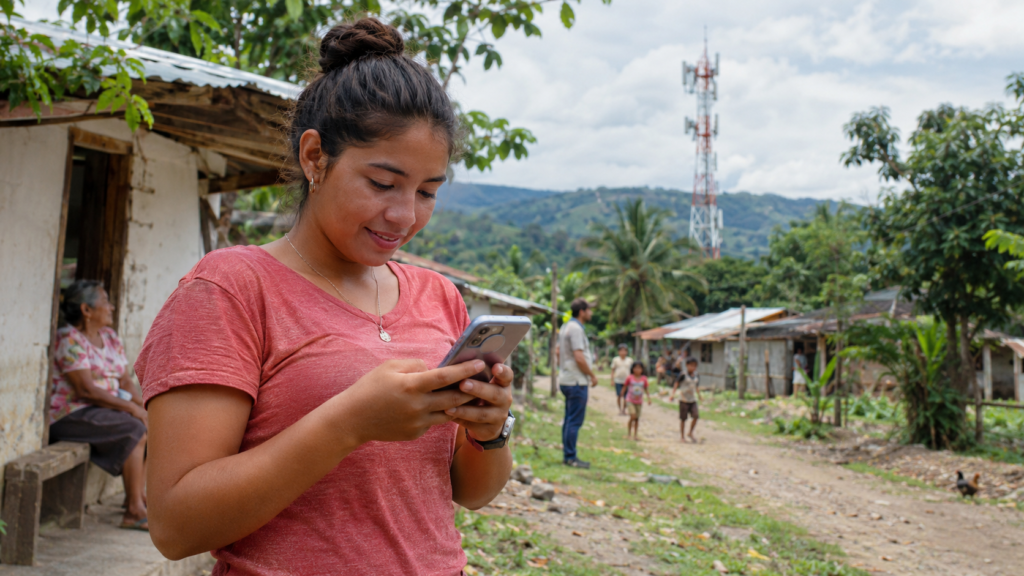
Internet access has reached a new global milestone, with more than three out of every four people now connected. However, the rapid expansion of digital technology has yet to benefit billions of people who remain outside the online world.
The International Telecommunication Union (ITU), the United Nations agency responsible for information and communication technologies, estimates that 6.3 billion people are using the internet in 2026. Its latest annual assessment puts global internet usage at 76%, up from 74% in 2025.
Despite this progress, approximately 2 billion people still lack internet access, highlighting the scale of the challenge facing governments and telecommunications providers as digital services become increasingly important to everyday life.
Internet adoption has accelerated over two decades
The latest figures illustrate how dramatically internet adoption has transformed the world since the beginning of the century.
In 2005, approximately 1 billion people were online, equivalent to around 15% of the global population. Internet usage surpassed 25% in 2009 and crossed the 50% threshold in 2019.
The technology has since become essential to communication, education, employment, commerce and access to public services. The growing influence of artificial intelligence is making reliable connectivity even more important.
ITU Secretary-General Doreen Bogdan-Martin warned that people without internet access risk missing out on opportunities that are increasingly available through digital platforms, particularly in education and employment.
Income remains one of the biggest barriers to connectivity
Although global internet adoption continues to increase, access remains closely linked to economic development.
In high-income countries, 93% of the population uses the internet. In low-income countries, the proportion falls to just 32%, revealing a substantial digital divide between the world’s wealthiest and poorest economies.
These differences extend beyond the availability of technology. Affordability, infrastructure, service quality and digital skills all influence whether people can access and benefit from online services.
Gender and geographic inequalities persist
The digital divide is also visible across gender and age groups. Worldwide, 79% of men use the internet, compared with 74% of women. Although the difference has narrowed, women remain less likely to be connected.
Age is another important factor. Internet usage reaches 86% among people aged 15 to 24, compared with 74% among the rest of the population. This suggests that younger generations are adopting digital technology more extensively than older age groups.
Geography also plays a significant role. Internet usage stands at 82% among urban residents, while only 63% of people living in rural areas are online. Limited infrastructure and the higher costs of extending connectivity to remote communities remain important challenges.
Mobile phones and 5G coverage show uneven progress
Mobile technology continues to play a central role in expanding access to digital services. The ITU estimates that 84% of the world’s population aged 10 and older owns a mobile phone.
However, ownership varies considerably according to economic conditions. The figure exceeds 95% in high-income countries but drops to 57% in low-income economies.
Mobile network coverage is more widespread. Approximately 97% of the global population lives within reach of a 3G network or a more advanced technology. Nevertheless, access to newer infrastructure remains uneven.
Although 5G coverage reaches 59% of the world’s population, the figure rises to 86% in high-income countries and falls to just 4% in low-income countries.
This gap is particularly relevant as businesses, educational institutions and public services increasingly adopt technologies that require faster and more reliable connections.
Digital inclusion remains a global challenge
The ITU’s 2026 findings demonstrate that expanding internet coverage is only part of the challenge. Making connectivity affordable, reliable and accessible to people with different levels of digital skills is equally important.
For countries such as the Dominican Republic, which participate in an increasingly digital global economy, these international trends underline the importance of telecommunications infrastructure, affordable internet services and digital education.
As artificial intelligence and other emerging technologies become more integrated into everyday activities, the ability to connect to the internet will increasingly influence access to economic and educational opportunities.
With 2 billion people still offline, achieving meaningful digital inclusion remains one of the major challenges in the development of the global digital economy.