 25°C


How Cybercriminals Can Exploit Your Phone Number in the Dominican Republic
A phone number alone does not give criminals automatic access to a bank account or WhatsApp messages, but it can be the starting point for identity theft, financial fraud and account hijacking. In the Dominican Republic, where authorities have launched public awareness campaigns against telephone scams and digital fraud, understanding these risks is an important part of protecting personal information.


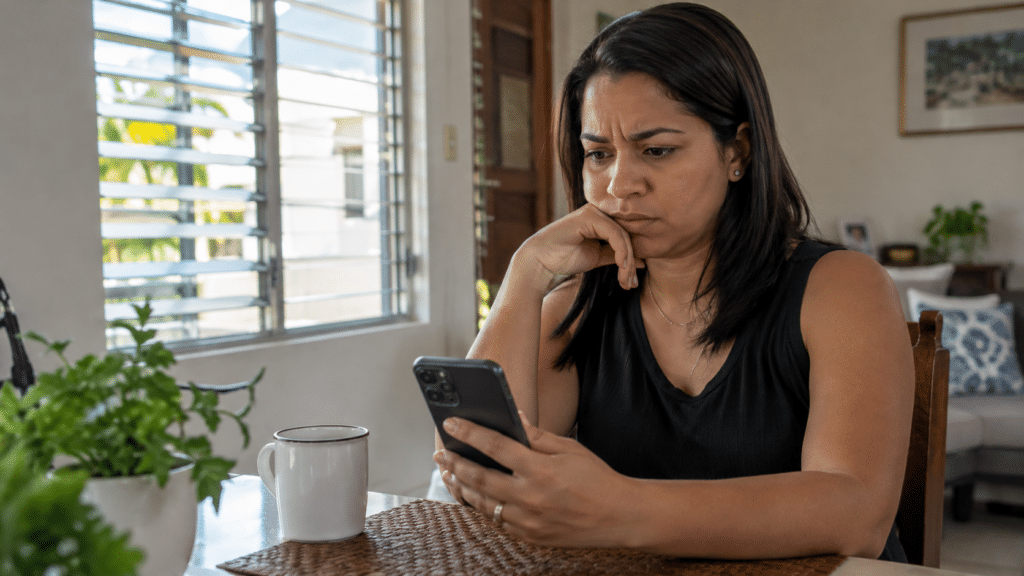
For people living in the Dominican Republic, a mobile phone number is more than a way to make calls or send messages. It can also be linked to banking services, social media profiles, messaging apps and account recovery systems, making it a useful starting point for cybercriminals seeking personal information or money.
Cybersecurity company ESET warns that knowing someone’s number does not automatically allow an attacker to access the person’s phone, read private WhatsApp conversations or enter a bank account. The danger arises when criminals combine the number with other personal details, deceptive messages or weaknesses in account verification.
The risk has a local dimension. In 2025, the Dominican Institute of Telecommunications (Indotel) launched public awareness initiatives to help people recognize fraudulent calls and messages. The government has also announced a national strategy to address digital fraud and extortion during 2026.
How criminals can use a phone number
1. Gather personal information
Criminals may use a phone number to search for publicly available information, connect it to social media profiles or identify accounts associated with the person. Information exposed through data breaches or public posts can help them build a more convincing impersonation.
Knowing someone’s name, contacts, workplace or other personal details can make a fraudulent call or message appear legitimate. The objective is often to persuade the victim to disclose sensitive information or take an action that benefits the attacker.
2. Impersonate banks, companies or acquaintances
A scammer can contact a target by phone call, text message or WhatsApp while pretending to represent a bank, telecommunications provider, delivery service or trusted contact. The message may claim that an account has been blocked, a payment needs verification or an urgent security problem requires immediate action.
The aim may be to obtain a password, financial details or a one-time verification code, or to persuade the recipient to open a malicious link. A familiar name or an official-looking message is not proof that the request is genuine.
In the Dominican Republic, Indotel’s campaigns against fraudulent calls and messages have specifically sought to teach users how to identify these schemes and respond cautiously.
3. Take over WhatsApp or other online accounts
Phone numbers are commonly used to verify identities and recover access to digital accounts. One tactic involves triggering a verification code and then contacting the victim, claiming the code was sent by mistake and asking them to forward it.
Sharing that code can allow an attacker to complete an account takeover. Once inside a messaging or social media account, a criminal may impersonate the owner and ask friends or relatives for money, personal information or additional verification codes.
Never share a verification code with another person, even if they claim to be a relative, employee or representative of a company. If a code arrives unexpectedly, do not forward it or follow instructions from an unsolicited message.
4. Hijack a mobile line through SIM swapping
One of the more serious threats is SIM swapping, a form of fraud in which a criminal convinces a mobile carrier to transfer a victim’s number to a SIM card or eSIM controlled by the attacker.
If the transfer succeeds, the criminal may receive the victim’s calls and text messages, including security codes sent by services that rely on SMS authentication. This can make it easier to attempt password resets or gain access to accounts, particularly if the attacker has already obtained other login details.
A sudden loss of mobile service without an obvious explanation can be a warning sign, especially if accompanied by unexpected account alerts. Contact the mobile provider through an official channel to check whether any changes have been made to the line.
Why phone-line security matters in the Dominican Republic
Indotel has taken steps to address the misuse of mobile lines and fraudulent communications. In June 2025, the regulator announced Resolution 064-2025, requiring mobile providers to validate the identities associated with active prepaid lines. The measure was intended to improve traceability and support investigations into crimes involving calls and messages.
The government also announced a national campaign against digital fraud and extortion in January 2026, followed by a public awareness initiative in May. These measures highlight the importance of prevention and reporting, although they do not eliminate the risk of scams targeting individual users.
Consumers can consult the government’s announcement on Indotel’s mobile-line identity validation requirements for official context on the country’s efforts to strengthen the identification of telephone subscribers.
How to protect your phone number and digital accounts
ESET recommends several precautions that can reduce the chances of a phone number being used as an entry point for fraud:
- Never share verification codes. Legitimate support staff should not need you to forward a one-time login code received on your phone.
- Verify unexpected requests independently. If a message claims to come from a bank or service provider, contact the institution using its official app, website or published phone number.
- Be cautious with links. Do not open unexpected links or download attachments simply because a message appears urgent or familiar.
- Limit publicly exposed personal information. Review social media privacy settings and avoid publishing details that could help someone impersonate you.
- Strengthen account authentication. Where available, use an authenticator app, passkeys or a security key instead of relying solely on SMS codes.
- Secure your mobile account. Ask your carrier what additional identity checks or account protections are available for SIM replacement and number transfers.
- Use unique passwords. A password manager can help prevent the same password from being reused across email, banking and social media accounts.
What to do if you suspect a phone-related scam
If you receive a suspicious message, do not respond with personal information, send money or share a code. Verify the claim independently and block or report the sender through the relevant service.
If your line suddenly loses service or you suspect an unauthorized SIM transfer, contact your mobile provider immediately using an official channel. Secure your email and financial accounts, review recent transactions, change compromised passwords and alert your bank if financial information may have been exposed.
If a messaging or social media account has been taken over, use the platform’s official account-recovery process and warn contacts through another trusted channel so they do not act on fraudulent requests sent in your name. Preserve relevant messages and transaction records if you need to report the incident to the authorities.
The key distinction is that a phone number is not, by itself, a password. However, because it can connect a person’s identity to multiple digital services, protecting it—and refusing to share verification codes—can help prevent a minor disclosure from becoming a much more serious security problem.