 24°C
24°C

Dominican Republic Approves $13 Million in Free-Zone Projects
The Dominican Republic has approved eight new free-zone companies and a new industrial park representing more than RD$763.3 million in combined investment, expanding productive capacity across Santo Domingo, Santiago and San Pedro de Macorís.


The National Council of Export Free Zones (CNZFE) has approved eight new companies and one additional free-zone industrial park, with combined investments estimated at more than RD$763.3 million, or about US$13 million. The projects will expand manufacturing, logistics and other export-oriented activities in three of the Dominican Republic’s major business centers.
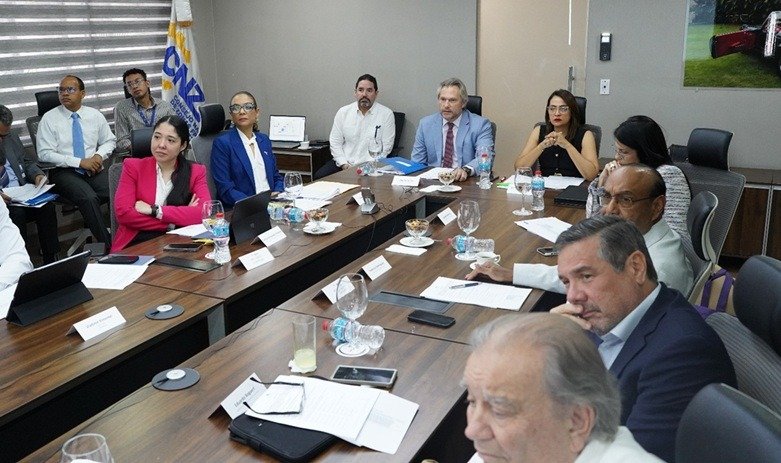
The approvals were made during the council’s fifth session, chaired by CNZFE Executive Director Johannes Kelner and Lucía Zorrilla, deputy minister for Free Zones and Special Regimes at the Ministry of Industry, Commerce and MSMEs.
Projects Will Be Distributed Across Three Cities
Three of the newly approved companies will be established in Santo Domingo, three in Santiago and two in San Pedro de Macorís. The geographic distribution adds new productive activity to established industrial and export hubs in different parts of the country.
The companies will operate in several manufacturing and logistics segments, including tobacco production, logistics and warehousing, textile manufacturing, precious-metals processing and airbag production. The diversity of activities reflects the range of industries operating under the Dominican Republic’s free-zone regime.
The eight companies represent planned investments of more than US$9.4 million, while the new industrial park will require another US$3.6 million. Together, the projects represent approximately US$13 million in new investment.
Free Zones Remain a Focus for Export Growth
Kelner said the new projects are expected to contribute to the expansion of the free-zone sector, employment generation and foreign-exchange earnings. He also said the council intends to facilitate additional projects and support companies already operating under the regime as they expand.
“Each project means new employment opportunities, greater productive capacity and more possibilities to continue strengthening our exports,” Kelner said.
Zorrilla said the approvals reflect investor confidence in the country’s investment climate and the government’s commitment to the sustainable expansion of the free-zone sector.
For the Dominican Republic, free zones are an important part of the export-oriented industrial economy. The sector includes companies engaged in manufacturing and other activities aimed at international markets, making new investment in factories, logistics and industrial infrastructure relevant to both employment and the country’s export capacity.
Government and Private-Sector Representatives Attend
The CNZFE session also included Camila Hernández, deputy minister of Fiscal Policy at the Ministry of Finance; Vladimir Pimentel, executive director of ProDominicana; Claudia Pellerano, president of the Dominican Association of Free Zones (Adozona); and Karel Castillo, president of the Dominican Association of Exporters (Adoexpo).
Other members of the council and representatives from public and private-sector institutions linked to the free-zone industry also participated in the meeting.
Kelner said the council’s objective is to continue strengthening free zones as a source of economic development, innovation, employment and export growth. The latest approvals add new companies and industrial infrastructure to that expansion, with projects now planned across Santo Domingo, Santiago and San Pedro de Macorís.