 25°C
25°C

Dominican Republic Travel Health: What Every Visitor Should Know
Travel health in the Dominican Republic depends on your itinerary, activities, length of stay, and individual medical needs. Most visitors can prepare effectively by reviewing recommended vaccines, protecting themselves from mosquitoes, practicing safe food and water habits, planning prescription medicines, and understanding how to obtain medical care if necessary.


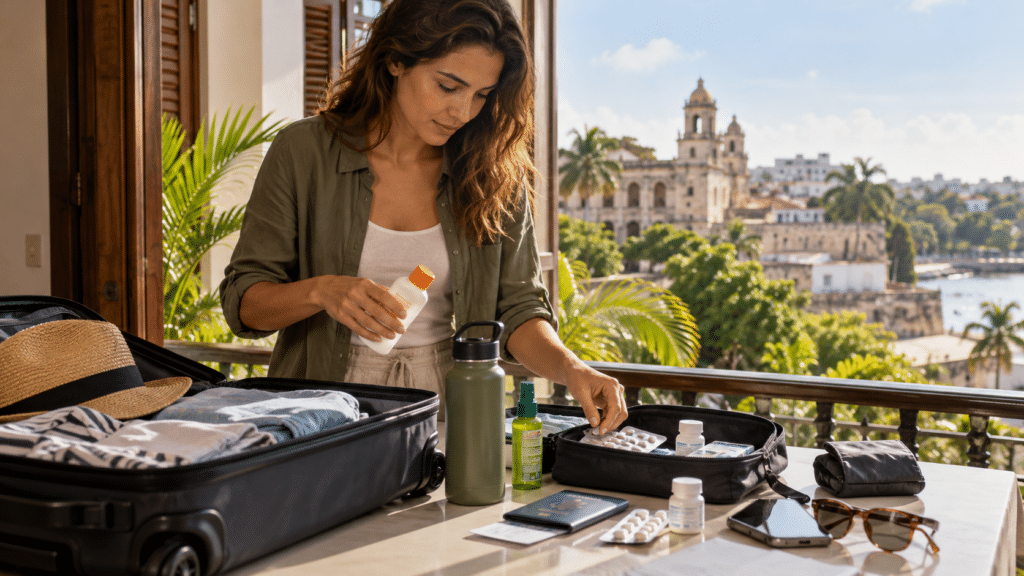
The Dominican Republic is a major Caribbean destination with very different travel environments, ranging from all-inclusive resorts and large cities to rural communities, mountain areas and outdoor excursions. Health considerations can therefore vary depending on where you go, how long you stay, what you plan to do and the conditions you may encounter during your trip. Travelers planning their visit should also consider the best time to visit the Dominican Republic, as seasonal weather conditions can influence outdoor activities, heat and sun exposure, and the type of preparation that may be most useful. A short resort vacation does not necessarily present the same considerations as an extended trip involving rural travel, freshwater activities or limited access to medical facilities.
Good preparation does not require assuming that something will go wrong. It means identifying preventable risks before departure and knowing what to do if you become ill. The most useful approach combines routine vaccination, destination-specific medical advice, mosquito-bite prevention, food and water precautions, sensible protection from heat and sun, appropriate medication planning and adequate insurance coverage.
Start Planning Your Health Before You Travel
Travelers should review their health preparations before leaving home rather than waiting until they arrive in the Dominican Republic. The U.S. Centers for Disease Control and Prevention (CDC) recommends checking destination-specific guidance and consulting a healthcare professional at least a month before travel when vaccines or prescription medicines may be needed.
This advance planning is particularly important for travelers with chronic medical conditions, significant allergies, pregnancy, young children or other circumstances that may require individualized advice. It also gives travelers time to obtain prescriptions, update routine vaccinations and determine whether their itinerary includes an area where additional precautions are recommended.
Your itinerary matters because health risks are not distributed uniformly across the country. A traveler staying at a resort for several days may have very different exposure patterns from someone visiting friends or relatives, hiking in rural areas, camping, spending extended periods outdoors or traveling to places where healthcare is less accessible.
Vaccines Are Only One Part of Travel Health
Vaccination is an important part of international travel preparation, but it does not eliminate every health risk. The CDC recommends that travelers make sure routine vaccinations are up to date and review destination-specific recommendations with a healthcare professional.
For travel to the Dominican Republic, recommendations can include routine vaccines as well as vaccines such as hepatitis A, hepatitis B or typhoid, depending on the traveler and itinerary. The CDC also recommends that international travelers be appropriately vaccinated against measles, including following its specific guidance for infants and other travelers.
If you are specifically planning a trip and want to know whether tourists need vaccines to travel to the Dominican Republic, our dedicated guide explains the distinction between vaccination recommendations and entry requirements, as well as the factors that can affect individual travelers.
Typhoid vaccination may be considered for people traveling to areas with poor sanitation or unsafe water, those planning longer stays and people visiting friends or relatives. Vaccination does not replace careful food and water practices.
There is an important distinction between a vaccine being recommended and a vaccine being required for entry. For example, the CDC does not recommend yellow fever vaccination for travel to the Dominican Republic itself, although entry requirements can apply to certain travelers arriving from specific areas where yellow fever is present.
Travelers should therefore avoid relying on a generic list of “required vaccines.” The appropriate preparation depends on vaccination history, age, health status, origin, destination and activities.
Protect Yourself From Mosquito Bites
Mosquito protection is one of the most practical health precautions for travelers in the Dominican Republic. Mosquitoes can transmit diseases including dengue and Zika, and many mosquito-borne infections cannot be prevented with a routine travel vaccine.
The basic strategy is to reduce the number of mosquito bites you receive. Travelers can use an appropriate insect repellent, wear clothing that covers exposed skin and choose accommodations with air conditioning or screened windows when possible. A bed net can provide additional protection when sleeping in an area exposed to mosquitoes.
For longer outdoor activities, clothing and gear treated with permethrin can provide another layer of protection. Permethrin-treated clothing is different from insect repellent applied to the skin and should be used according to product instructions.
Mosquito precautions are not limited to remote rural areas. Travelers can encounter mosquitoes in cities, resort areas and other outdoor environments. Carrying repellent and using it consistently is therefore more useful than assuming that a particular type of destination is mosquito-free.
Travelers should follow the instructions on insect-repellent products. People who are pregnant, traveling with children or managing a medical condition should ask a healthcare professional about appropriate products and precautions when they have concerns.
What Travelers Should Know About Malaria
Malaria is present in parts of the Dominican Republic, but the risk is not uniform throughout the country. CDC guidance identifies transmission primarily in parts of Azua, Elías Piña, La Altagracia, San Juan and Santo Domingo, including certain areas of the Distrito Nacional. Transmission is considered rare in other provinces.
This distinction matters because malaria prevention recommendations depend on the exact itinerary. Travelers visiting areas where transmission occurs may be advised to take prescription medicine for malaria prevention. In other parts of the country, the CDC recommends mosquito-bite precautions without routine chemoprophylaxis.
Travelers should not decide whether to take antimalarial medication solely from the name of their destination. A healthcare professional can assess the itinerary and determine whether preventive medication is appropriate, which medicine is suitable and how it should be taken.
Anyone who receives a malaria prescription should obtain enough medication for the entire trip and follow the prescribed schedule. Depending on the medicine, treatment may need to begin before departure and continue during or after the trip.
Fever deserves particular attention after visiting a malaria-risk area. Malaria can become a serious illness, and the CDC advises people who develop a fever while traveling in a risk area or after returning home to seek immediate medical attention and tell the healthcare professional about their travel history.
Food and Water Safety
Food and water precautions are another important part of travel health. Standards can vary between destinations and even between different travel environments within the same country. Travelers should therefore consider how food and water are prepared and handled rather than assuming that every source carries the same level of risk.
When travelers are uncertain about the safety of drinking water, treated or bottled water can be a practical choice. Careful hand hygiene and attention to food preparation are also important, particularly when traveling outside established tourist facilities.
Extra caution can be appropriate during rural travel, longer stays and visits with friends or relatives. These situations may involve different food and water conditions from those experienced at a conventional hotel or resort.
Food and water precautions are not limited to preventing an unpleasant stomach illness. Contaminated food or water can transmit infections that may require medical treatment, so sensible hygiene remains useful even when the trip is short.
Freshwater, Beaches and Outdoor Activities
The Dominican Republic offers opportunities for swimming, hiking, boating and other outdoor activities, but travelers should consider the conditions of the specific environment before entering the water.
The CDC advises travelers to avoid swimming in freshwater where sanitation is poor. Untreated freshwater can transmit infections, including leptospirosis and schistosomiasis. Travelers should be particularly cautious around lakes, ponds and rivers that are not treated or otherwise considered safe for swimming.
Floodwater and muddy water can also present health risks. Leptospirosis can be associated with contact with water or soil contaminated by infected animal urine. Travelers should avoid contaminated water and soil and take particular care after heavy rainfall or flooding.
Beach and pool safety involves other considerations. Travelers should use designated swimming areas, follow warning flags and lifeguard instructions, and avoid diving into shallow water. People taking part in boating or water sports should use appropriate safety equipment and follow local safety rules.
Outdoor activities also increase exposure to sun, heat, insects and, in some environments, animals. A health plan for an excursion should therefore consider more than the activity itself.
Managing Heat and Sun Exposure
The Dominican Republic’s tropical climate can mean substantial exposure to high temperatures and strong sunlight, particularly during beach days, hiking, sightseeing and other outdoor activities.
Travelers can reduce heat-related problems by drinking enough fluids, wearing lightweight clothing and taking breaks when conditions become particularly hot. Prolonged strenuous activity during the hottest part of the day can increase the risk of heat-related illness.
Sun protection is equally important. Sunscreen, protective clothing, sunglasses and shade can reduce excessive ultraviolet exposure. Travelers who spend long periods outdoors should plan for shade and hydration rather than relying exclusively on sunscreen.