 24°C
24°C

Port Cabo Rojo Named Finalist For 2026 Port Of The Year
Port Cabo Rojo in Pedernales has been selected as a finalist for the 2026 Seatrade Cruise Award for Port of the Year, placing the Dominican terminal alongside established cruise ports in the United Kingdom and Norway.


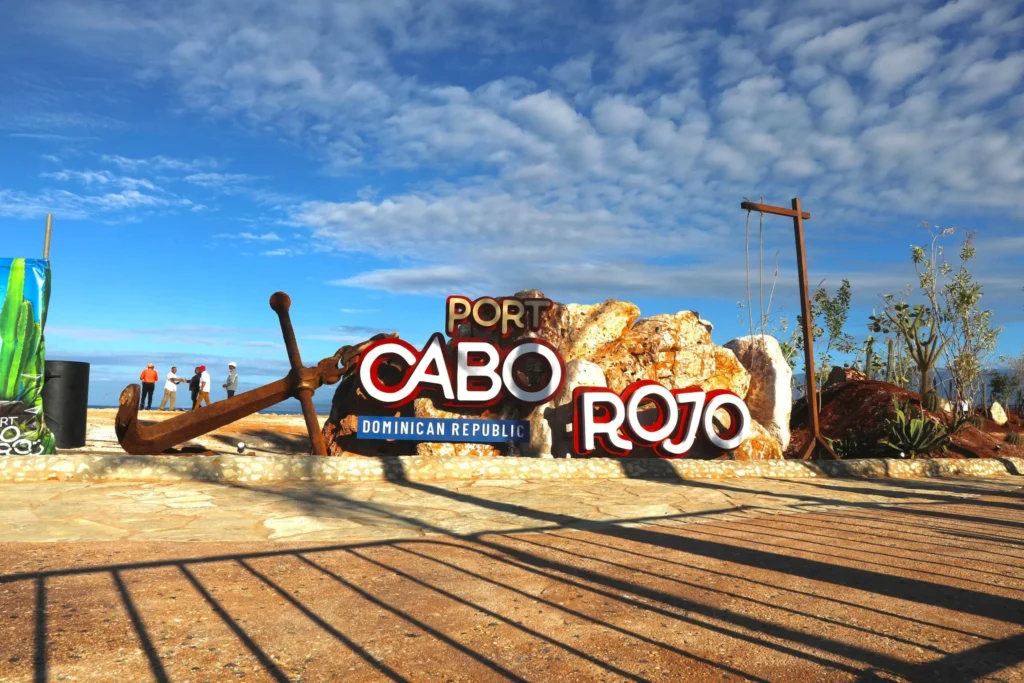
Port Cabo Rojo, the cruise terminal in Pedernales, has been selected as one of three finalists for the 2026 Seatrade Cruise Award for Port of the Year, putting the Dominican Republic’s emerging southwestern cruise destination into competition with established facilities in Europe.
The terminal will compete against Portsmouth International Port in the United Kingdom and Skjolden Port in Norway. The finalists were announced by Seatrade Cruise, with the winners scheduled to be revealed on September 16 during Seatrade Cruise Med at Las Palmas Cruise Port in Gran Canaria, Spain.
Pedernales Enters The International Cruise Spotlight
The nomination gives Pedernales visibility in an industry where ports compete not only on their ability to receive cruise ships, but also on the quality of the destinations and experiences available to passengers. For the Dominican Republic, the recognition comes as Cabo Rojo continues to develop the country’s cruise presence beyond its more established tourism centers.
The 2026 Seatrade Cruise Awards mark the 20th anniversary of the awards. An independent panel of 15 industry professionals selected the finalists across the different categories, including Port of the Year, Destination of the Year and Sustainability Initiative of the Year.
Port Cabo Rojo’s inclusion alongside Portsmouth and Skjolden gives the Dominican terminal an opportunity to present Pedernales to cruise-industry operators and other international stakeholders as a developing destination in the Caribbean.
A New Cruise Gateway For Southwestern Dominican Republic
Port Cabo Rojo forms part of the broader tourism development taking place in Pedernales and the Dominican Republic’s southwest. Cruise calls provide a way for visitors to reach an area known for natural attractions while creating demand for transportation, excursions, restaurants, retail and other visitor services.
Pedernales is home to attractions including Bahía de las Águilas and the Hoyo de Pelempito, giving cruise passengers potential access to landscapes and experiences that are different from those offered by the country’s more established resort destinations.
The cruise operation therefore has significance beyond the terminal itself. As more ships include Cabo Rojo in their itineraries, the port can help introduce international visitors to a province that has historically had a smaller tourism footprint than Punta Cana, Puerto Plata or La Romana.
Port Cabo Rojo Builds Its Cruise Profile
The terminal began receiving cruise ships in January 2024 and has since expanded its presence in the market. By early 2025, authorities reported that thousands of passengers had already passed through the facility, while the arrival of Royal Caribbean’s Oasis of the Seas in April 2025 represented another milestone for the new port.
Later in 2025, Port Cabo Rojo also received two cruise ships simultaneously, highlighting the terminal’s growing role in Pedernales. The expansion of cruise activity has accompanied efforts to develop the province as a new tourism pole in the Dominican Republic’s southwest.
That development creates opportunities for local businesses as cruise passengers spend money on excursions, transportation, food, shopping and other services. The longer-term impact will depend on how effectively the destination connects cruise traffic with local attractions and businesses while maintaining the environmental and community value of the area.
Winner To Be Announced In September
The final decision will be announced on September 16, 2026, at Las Palmas Cruise Port in Gran Canaria. Port Cabo Rojo will be competing against Portsmouth International Port and Skjolden Port, both of which operate in established European cruise markets.
Regardless of the final result, the nomination places Pedernales on an international industry platform only a few years after the terminal began cruise operations. For the Dominican Republic, it also highlights the country’s strategy of using cruise infrastructure to open new destinations and extend tourism activity into regions outside its traditional resort centers.