 24°C
24°C

How Smart Property Management Can Protect Your Investment
Buying a home in the Dominican Republic is only the first step. From preventive maintenance and tax planning to rental decisions and proper documentation, effective property management can help owners protect their capital and preserve the long-term value of an increasingly important real estate asset.


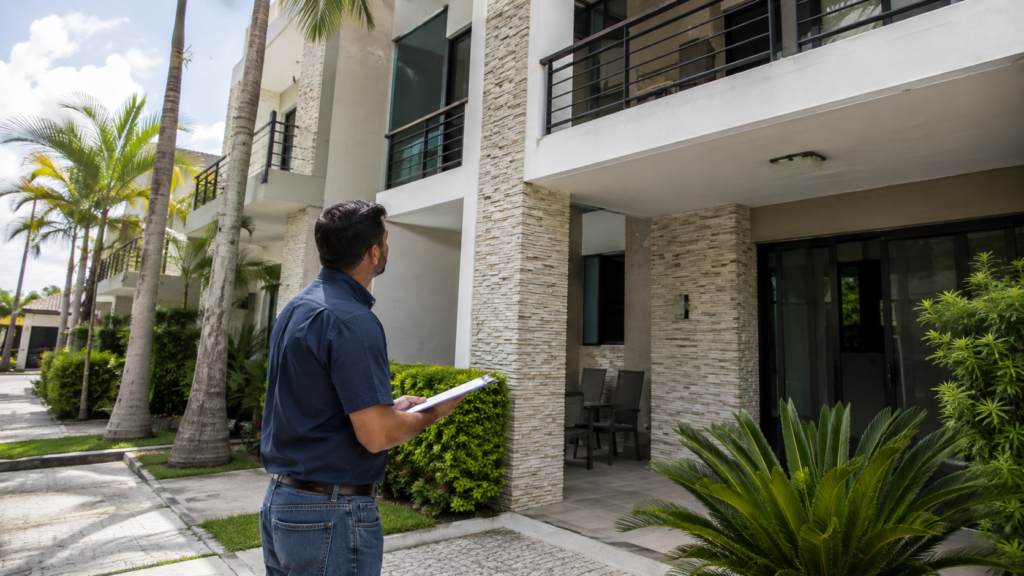
For many homeowners, the purchase of a property represents one of the largest financial commitments they will ever make. But once the deed is signed and the keys are handed over, the investment still requires active management.
That is particularly relevant in the Dominican Republic, where real estate has become an important part of the country’s investment landscape. ProDominicana, the government agency responsible for promoting investment and exports, reports that foreign direct investment in the real estate sector totaled $5.44 billion between 2015 and 2024, representing 16.7% of total foreign investment received during that period. Real estate investment reached $798.3 million in 2024, according to data compiled by ProDominicana from the Central Bank.
The broader market, however, is not moving in a single direction. The Central Bank of the Dominican Republic reported that real estate and rental activities grew 3.1% in 2025, while construction contracted 1.8%. At the same time, loans for home purchases increased 13.2% during the year, highlighting continued demand for housing finance.
Property Value Depends on More Than Location
Location remains one of the most important factors determining a property’s market value, but it is not the only one. Two similar apartments in the same area can perform differently over time depending on their physical condition, maintenance history, building management and suitability for the type of demand found in that market.
For owners in Santo Domingo, Punta Cana, Santiago de los Caballeros and other growing markets, the objective should therefore be broader than simply waiting for prices to rise. A well-managed property is easier to maintain, easier to rent and generally better positioned when the owner eventually decides to sell.
The approach is especially important in the Dominican Republic’s tropical climate. Humidity, intense rainfall, heat and, in coastal areas, exposure to salt can accelerate deterioration of roofs, exterior finishes, air-conditioning equipment and other components of a property.
Preventive Maintenance Can Protect Capital
Maintenance is often treated as an unavoidable expense, but for an owner it is better understood as a form of capital protection. A small leak, neglected air-conditioning system or deteriorating exterior can become considerably more expensive if the problem is allowed to develop.
Owners should establish a recurring inspection schedule covering roofs and waterproofing, plumbing, electrical systems, air-conditioning units, exterior walls, windows and drainage. For apartments, the condition of common areas and the condominium’s maintenance practices should also be monitored.
Keeping invoices, inspection reports and records of repairs is equally useful. A documented maintenance history can help an owner understand the property’s condition and provide useful evidence when negotiating a future sale.
Not Every Renovation Adds the Same Value
Renovation decisions should be based on the property’s location, target market and expected use rather than on personal preferences alone. A major remodel may make sense for an owner planning to remain in the property for years, but a different strategy may be more appropriate for an investor preparing the unit for rental or resale.
Kitchens and bathrooms can have a strong influence on how buyers perceive a property because they combine functionality with visible finishes. However, improvements should be proportionate to comparable properties in the same area. Installing features that are significantly more expensive than those found in competing homes does not automatically translate into an equivalent increase in market value.
Energy efficiency can also have practical benefits. LED lighting, efficient air-conditioning equipment, improved insulation and solar or backup-power solutions may reduce operating costs while making a property more attractive to certain buyers and tenants. In markets where electricity reliability and energy expenses are important considerations, operating efficiency can become part of the property’s competitive position.
Build a Realistic Property Budget
Property owners should calculate the full annual cost of holding an asset rather than focusing only on the mortgage payment or condominium fee. The budget may include insurance, maintenance, utilities, repairs, property taxes and professional services.
The Dominican Republic’s Impuesto al Patrimonio Inmobiliario (IPI) is one of the costs that some owners must consider. For 2026, the Dirección General de Impuestos Internos (DGII) sets the exemption threshold for the combined taxable real estate holdings of individuals at RD$10,695,494. Individuals subject to the tax pay 1% on the amount above the applicable threshold, with payments divided into two annual installments.
Because the threshold and other tax parameters can change, owners should verify their current obligations directly with the DGII rather than relying on older property-management estimates. The agency provides current information on the IPI and its payment requirements.
A Maintenance Reserve Can Prevent Financial Surprises
One practical way to manage an investment property is to maintain a dedicated reserve for repairs and replacement of major components. The appropriate amount will depend on the property’s age, size, location, construction quality and existing condition.
For example, an owner of a property worth $150,000 should think in terms of an annual maintenance budget rather than waiting for a major repair to arrive unexpectedly. A dedicated reserve can cover routine work and gradually build capacity for larger expenses such as air-conditioning replacement, waterproofing, painting or plumbing repairs.
The exact percentage should be treated as a planning tool rather than a guaranteed financial rule. The property’s actual condition and the owner’s inspection history should determine whether the reserve needs to be higher or lower.
Rental Income Requires Active Management
Owners who rent their properties face another layer of responsibility. A property that produces rental income can generate cash flow, but vacancies, maintenance problems, tenant disputes and unexpected repairs can quickly reduce the return.
Effective management starts with clear contracts, appropriate tenant screening and a process for documenting the property’s condition before and after occupancy. Owners should also monitor rents against comparable properties rather than relying on outdated assumptions about what the market will pay.
For short-term or vacation rentals, the workload can be even greater because turnover is higher and guest expectations can make cleanliness, air conditioning, internet access, maintenance and response times particularly important. The economics of short-term rental management should therefore be evaluated after accounting for operating expenses rather than by looking only at gross booking revenue.
Documentation Is Part of the Asset
Property management also extends beyond physical maintenance. Owners should keep an organized file containing the title, purchase documents, condominium records, maintenance invoices, insurance information, tax records and documentation for significant improvements.
This becomes particularly useful when selling or refinancing. A clear record can make it easier to demonstrate the property’s condition, establish the history of improvements and identify outstanding obligations before a transaction begins.
The Dominican Republic’s National Statistics Office, or ONE, has also expanded its published data on the housing and construction market. Its recent Registry of Building Supply reports provide information on building locations, prices, sales expectations and financing, giving owners and investors additional context for understanding market conditions.
Three Steps Owners Can Take Now
First, conduct a property audit. Walk through the home systematically and identify deferred maintenance, inefficient equipment, cosmetic deterioration and areas that could affect rental or resale appeal.
Second, establish a dedicated reserve. Set aside money regularly for maintenance rather than waiting until a major repair creates an unexpected financial burden.
Third, review the property’s market position periodically. A professional valuation or comparison with similar properties can help owners determine whether the asset is keeping pace with its local market and whether planned improvements make financial sense.
Managing the Property Is Part of Investing
The Dominican Republic’s real estate market continues to attract capital, but market growth does not guarantee that every individual property will appreciate at the same rate. The condition of the asset, its operating costs, location, documentation and suitability for local demand all influence its long-term performance.
For homeowners and investors, the lesson is straightforward: buying a property creates an asset, but managing it well helps preserve the value of that asset. Preventive maintenance, disciplined budgeting, appropriate improvements and accurate records can give owners greater control over the financial outcome.
In a market where real estate investment remains significant and housing finance continues to expand, property management should be viewed not as an administrative task after the purchase, but as an ongoing part of the investment strategy.