 22°C
22°C

DGII Sets November 1 Deadline for Mandatory E-Invoicing
Large Local and Medium taxpayers in the Dominican Republic will have to issue electronic invoices exclusively from November 1, 2026, as the government advances its nationwide tax digitization program.


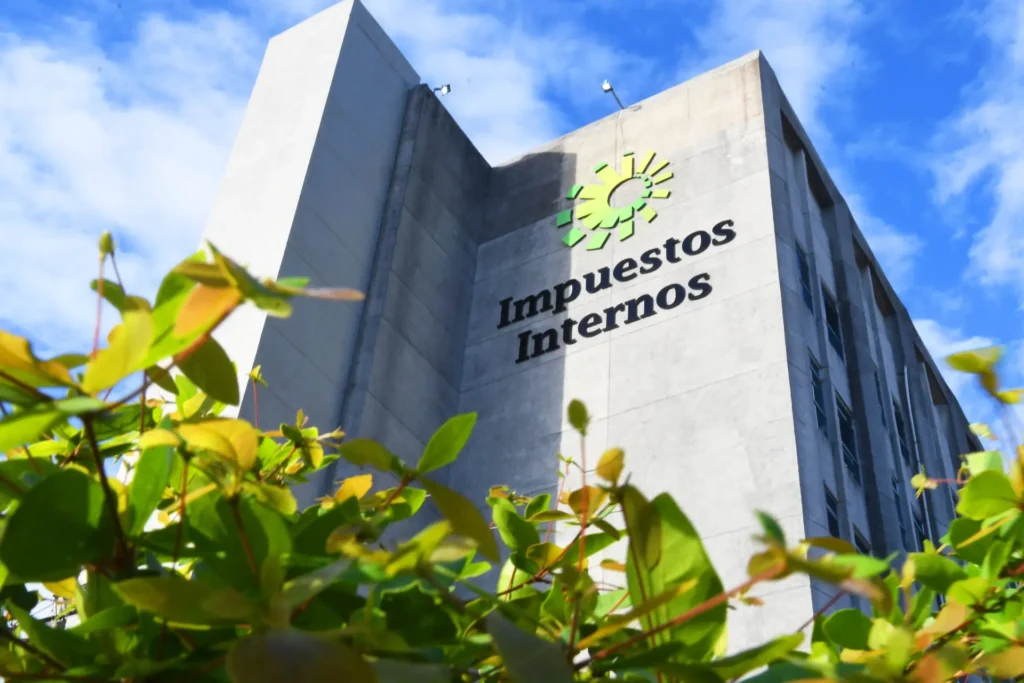
Businesses classified by the Dominican tax authority as Large Local and Medium taxpayers will face a new electronic invoicing requirement on November 1, 2026. From that date, they must issue electronic tax invoices using electronic tax receipt sequences, known as e-CF, under the “E” series.
The General Directorate of Internal Taxes (DGII), the Dominican Republic’s tax administration agency, said the measure is part of the country’s broader transition toward electronic invoicing. The agency confirmed the deadline in an August 26 announcement and urged affected taxpayers to complete the administrative and technological changes needed before the new requirement takes effect.
Paper B Invoices Will No Longer Be Valid
For the taxpayers covered by the measure, non-electronic tax receipt sequences in the “B” series will remain valid only through October 31, 2026. After that date, they can only be used under formally declared contingency conditions and according to the procedures established in Chapter IX of Regulation 587-24.
The regulatory framework governs the implementation of electronic invoicing under Law 32-23. DGII guidance also confirms that once an applicable taxpayer’s implementation deadline has expired, previously authorized non-electronic B-series receipts are no longer valid for ordinary use unless the taxpayer is operating under an authorized contingency arrangement.
The change means affected businesses must ensure that their billing systems, internal procedures and tax-reporting processes are ready to issue and process e-CF documents before the October 31 cutoff. For companies that depend on continuous invoicing, completing the transition in advance can help avoid disruptions once the new requirement becomes mandatory.
DGII Expands Electronic Invoicing Infrastructure
DGII said the electronic invoicing system now has a network of 190 authorized electronic invoicing service providers operating across the Dominican Republic. The providers offer different technological solutions intended to help taxpayers integrate electronic invoicing into their operations.
The authority has also published a list of Large Local and Medium taxpayers required to implement electronic invoicing, providing businesses with an official reference for the current implementation process. The agency’s electronic invoicing framework allows taxpayers to use certified service providers, develop their own systems or access the free invoicing solution provided by DGII.
Under the contingency rules, non-electronic receipts may still be used in specific circumstances when an electronic issuer is technically unable to issue e-CF. DGII’s current guidance establishes procedures for these situations, including notification requirements and subsequent replacement or validation of documents when applicable.
Smaller Taxpayers Have a Later Deadline
The November 1 deadline does not apply to every taxpayer at the same time. DGII said taxpayers classified as Small, Micro and Unclassified have received an extension, with their current implementation deadline set for November 15, 2026.
The staggered timetable reflects the Dominican Republic’s broader rollout of electronic invoicing across different taxpayer groups. As each category reaches its mandatory implementation date, businesses are expected to move away from ordinary paper-based tax receipts and into the electronic system established under the country’s tax legislation.
For Large Local and Medium taxpayers, the immediate priority is therefore to complete the remaining technical and administrative work before the October 31 expiration of their B-series sequences. The transition will make electronic tax documentation the standard method of invoicing for these businesses beginning November 1.