 24°C


Dominican Republic Ports Handle 10.2 Million Tons of Cargo in Q3
Cargo volumes at the Dominican Republic’s ports rose 8.2% year over year in the third quarter of 2026, with imports accounting for most of the traffic and transit shipments recording the fastest growth.


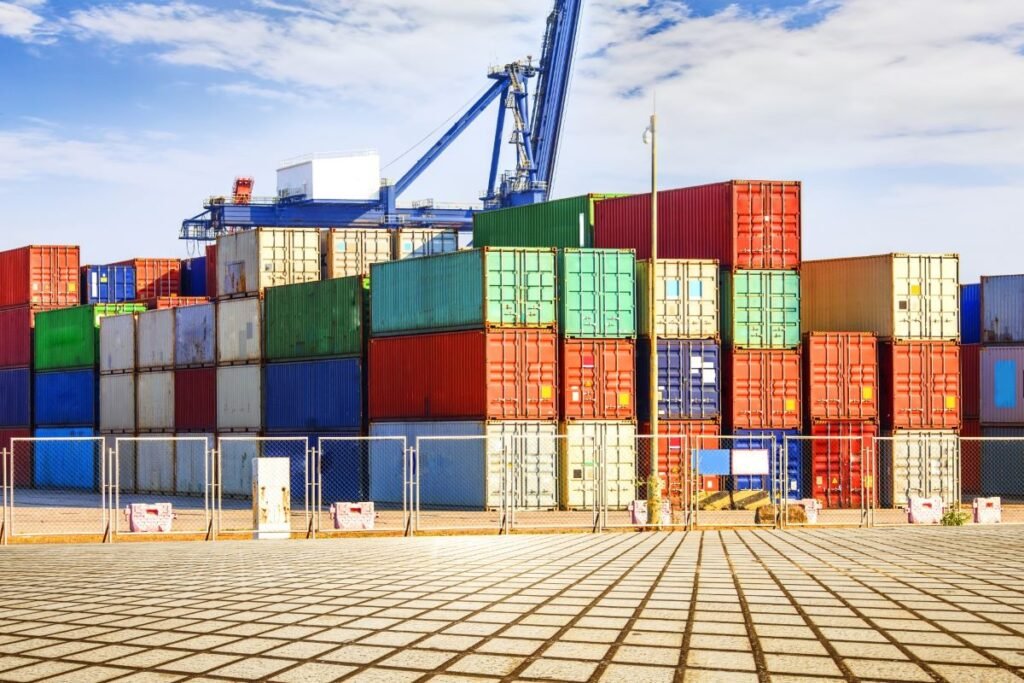
The Dominican Republic’s maritime trade network handled 10,227,518 metric tons of cargo between July and September 2026, an 8.2% increase compared with the same period a year earlier. The additional 773,587 tons point to higher activity across the country’s port system, although growth varied significantly among imports, exports and transit shipments.
Imports remained the largest component of port traffic, while cargo in transit posted the strongest percentage increase. The figures, published by the Dominican Port Authority (APORDOM), also show that three major terminals — Caucedo, Haina Occidental and Haina Oriental — accounted for more than two-thirds of all cargo handled during the quarter.
Imports Account for More Than 70% of Port Cargo
Imports reached 7,294,673 metric tons, up 7.5% from the 6,783,074 tons recorded in the third quarter of 2025. They represented approximately 71.3% of the total volume handled by Dominican ports during the period.
Exports increased at a slower pace. Outbound cargo totaled 1,461,385 metric tons, a 2.4% rise from the 1,426,598 tons registered a year earlier.
Transit cargo recorded the largest relative gain, climbing 18.3% to 1,471,460 metric tons from 1,244,259 tons in the corresponding quarter of 2025. The increase amounted to 227,201 additional tons.
Transit shipments move through Dominican port facilities on their way to other destinations rather than entering the domestic market. Their growth therefore points to an expansion in the volume of goods using the country as part of wider maritime and logistics routes.
Caucedo and Haina Terminals Dominate Cargo Activity
Port of Caucedo led the country’s terminals, handling 3,090,079 metric tons during the quarter. That represented a 6.4% increase from the 2,904,494 tons recorded in the same period of 2025.
Haina Occidental ranked second with 1,979,049 tons, up 10.5%, while Haina Oriental handled 1,911,753 tons, a 12.7% increase.
Together, the three terminals moved 6,980,881 metric tons, equivalent to 68.3% of the national total. Their concentration of cargo activity underscores the importance of the Caucedo and Haina facilities to the Dominican Republic’s import, export and distribution networks.
Other ports also recorded increases. La Cana handled 941,197 metric tons, up 24.3% from 757,319 tons a year earlier. Punta Catalina registered 564,362 tons, an 18.7% increase, while Boca Chica moved 505,507 tons, up 2.4%.
Puerto Plata handled 422,991 tons, a 6.9% increase, and Santo Domingo recorded 240,115 tons, up 6.8%, according to APORDOM.
Bulk Commodities Drive Growth in Several Categories
The breakdown by cargo type shows that bulk commodities contributed significantly to the expansion. Imports of solid bulk cargo reached 2,494,878 metric tons, increasing 17.4%, while liquid bulk imports totaled 2,413,196 tons, up 9.5%.
Export volumes also rose in these categories. Solid bulk exports increased 48.7%, from 137,942 to 205,137 metric tons. Liquid bulk exports climbed 23.2% to 405,419 tons.
However, the performance was not uniform across the port system. APORDOM reported declines in both loose general cargo and containerized cargo for imports and exports, indicating that the overall increase was concentrated in particular types of merchandise rather than shared by every segment.
Container Traffic Also Records an Increase
Container movement reached 625,936 twenty-foot equivalent units (TEUs) during the third quarter, compared with 605,206.5 TEUs in the same period of 2025. The increase was 3.4%.
A TEU is the standard measurement used in maritime shipping to represent the capacity of a 20-foot container. The indicator allows ports and shipping operators to compare container traffic even when shipments use containers of different sizes.
The latest figures show an expanding volume of cargo moving through Dominican ports, led by imports and a faster-growing transit segment. At the same time, the differences between bulk, general and containerized cargo highlight the varied trends shaping the country’s maritime trade and logistics activity.
The figures were published by the Dominican Port Authority (APORDOM), the government institution responsible for overseeing the national port system. Its third-quarter 2026 cargo report provides the detailed breakdown by operation and terminal.