 22°C
22°C

Ship Suppliers Warn Higher Port Tariffs Threaten 49 Businesses
The Federation of National Ship Suppliers says rising fees at state-concessioned ports are putting 49 Dominican small and medium-sized businesses under severe financial pressure, while calling for regulatory talks with maritime authorities.


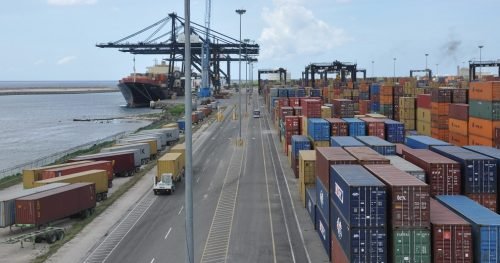
The Federation of National Ship Suppliers (Fenabuques) has warned that higher fees charged at ports concessioned by the Dominican state are placing its member companies under growing financial pressure.
Guillermo de la Rosa, president of Fenabuques, which represents 49 micro, small and medium-sized enterprises (MSMEs) providing services at Dominican maritime ports, said some private ports are charging between $10 and $20 per ton, compared with a $4-per-ton rate that the federation says is established under the applicable legal framework.
The claims were reported on September 23, 2026, as the organization called for a dialogue with maritime authorities over port fees, licensing requirements and other regulatory measures affecting ship-service companies.
Ship Suppliers Challenge Higher Port Fees
Fenabuques said the increased charges affect companies involved in a range of maritime support activities, including ship provisioning, the collection of oily and solid waste, and the removal of hazardous waste from vessels, power plants and industrial facilities.
According to De la Rosa, the disputed tariffs were established outside the framework that the organization says applies under Law 70-70, the legislation that created the Dominican Port Authority (APORDOM). APORDOM is the state institution responsible for directing and administering the country’s maritime ports. The law was approved in December 1970.
Fenabuques argues that APORDOM’s regulatory role includes oversight of private ports operating under concessions and the establishment of tariffs for services provided to vessels, cargo and port users.
The federation’s position has not been accompanied in the available reports by a response from the affected port operators or the relevant government authorities, leaving the legal interpretation of the disputed charges as a matter for the competent authorities to address.
Businesses Also Raise Tax and Regulatory Concerns
Fenabuques is also questioning other measures that it says are increasing operating costs for companies in the sector.
De la Rosa said the Department of Hydrocarbons of the General Directorate of Customs has required payments associated with the liquidation of waste. The federation contends that this requirement conflicts with the provisions of Law 112 on Hydrocarbons.
The organization also cited requirements for special licenses to perform activities such as fuel supply, line handling and scrap collection, arguing that the additional regulatory requirements complicate the provision of services to ships and industrial facilities.
Sector Says Its Services Support Maritime Compliance
Fenabuques said its affiliated companies collectively contribute more than RD$10 million per month to the Dominican government in taxes and handle approximately 700,000 gallons of oily waste.
According to the federation, the waste is treated and processed into an alternative fuel oil product. The organization also said its members contribute to compliance with the MARPOL 1973/78 international framework governing pollution prevention from ships.
These services are part of the operational infrastructure required to handle waste generated by vessels and maintain maritime environmental compliance. The Dominican port system includes both state-operated facilities and privately operated ports under concessions.
Fenabuques Calls for Regulatory Dialogue
The federation is asking maritime authorities to establish a formal dialogue table involving the affected parties. Its objective is to discuss the fees and regulatory requirements affecting ship suppliers and to develop regulations for implementing Law 5-23 on Maritime Commerce.
Fenabuques specifically pointed to Article 590 of that law as the basis for its request to develop the corresponding implementing regulations.
For companies serving ships in the Dominican Republic, the dispute has implications beyond individual fees. Port charges and licensing requirements can affect the cost of vessel services, while uncertainty over the applicable regulatory framework can influence how maritime suppliers operate and compete.
The next step requested by Fenabuques is therefore an institutional discussion with the authorities to clarify the applicable tariffs and regulatory requirements and address the concerns raised by the sector.