 29°C
29°C

Dominican Republic And U.S. Expand Rare Earths Cooperation
The Dominican Republic and the United States have established a new framework for cooperation on critical minerals and rare earths, creating new avenues for investment, financing and supply-chain development as Santo Domingo advances exploration in Pedernales.


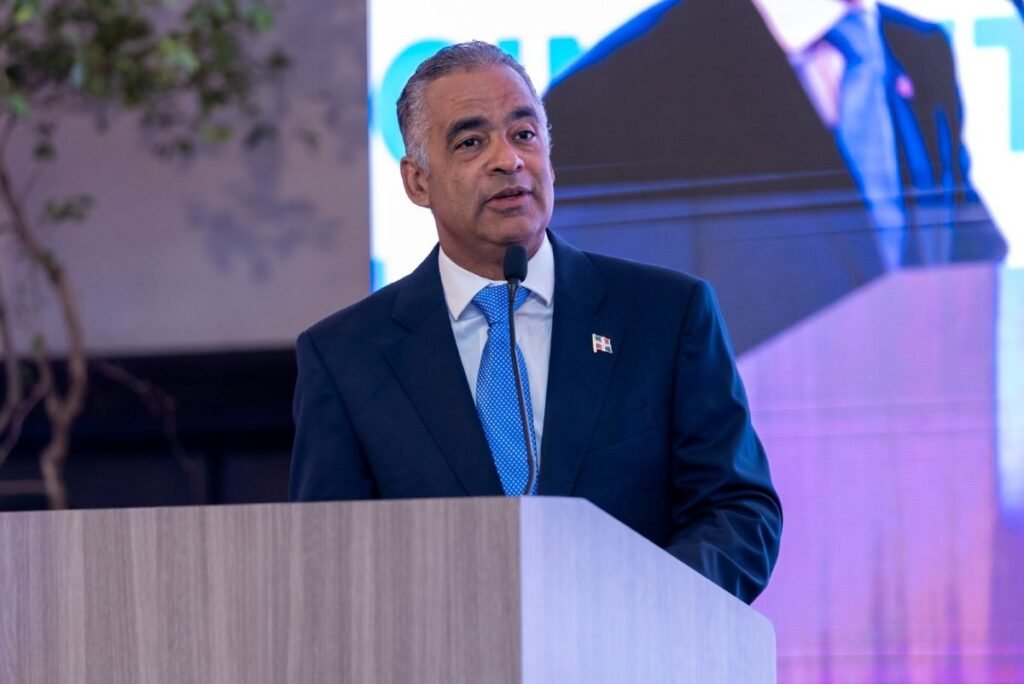
The Dominican Republic is moving to deepen its role in the global supply chain for critical minerals after signing a cooperation framework with the United States covering the extraction, separation and processing of these resources. Energy and Mines Minister Joel Santos said the agreement could help attract investment and provide new mechanisms to develop the country’s emerging rare earths sector.
The framework was signed on September 10 by Dominican Foreign Minister Víctor “Ito” Bisonó and U.S. Ambassador Leah F. Campos, with Santos present. It is intended to strengthen the resilience and security of supply chains while encouraging joint identification of projects and potential sources of financing.
For the Dominican Republic, the agreement comes as the government continues geological exploration in Pedernales, where the Reserva Fiscal Minera Ávila contains deposits being studied for rare earth elements and other minerals. Santos said the country now has more than 5,000 analyzed sample results, providing a larger technical base for the next stage of the project.
Financing And Supply-Chain Cooperation
The framework provides for government and private-sector support for mining and processing projects through mechanisms that may include guarantees, loans, equity investments, offtake agreements, insurance and regulatory facilitation. It also calls for measures within six months of the signing to support significant financing for eligible projects in both countries.
The two governments also plan to identify projects and investment sources jointly while developing measures aimed at strengthening critical-mineral and rare-earth supply chains. Cooperation will include mineral-resource mapping, which can improve geological knowledge and help determine where commercially relevant deposits may exist.
Santos said the partnership also recognizes the strategic importance of protecting mineral markets from non-market policies and unfair trade practices. The two countries intend to work with international partners on challenges linked to global mineral prices, reflecting the growing connection between mining, industrial policy and supply-chain security.
The agreement follows broader U.S. efforts to secure reliable supplies of critical minerals and rare earths for advanced technologies, energy systems and industrial production. That wider push has increased the strategic value of countries capable of developing new sources outside concentrated existing supply chains.
Rare Earth Exploration Moves Toward Resource Estimate
The Dominican project is still at the exploration and evaluation stage. Santos said ongoing sampling and laboratory analysis are expected to support a resource determination in November 2026, an important step in establishing the volume and characteristics of mineralized material identified through geological work.
A mineral resource is an estimate based on geological evidence and technical analysis. A reserve represents the portion of that resource that can ultimately be demonstrated to be economically and technically recoverable after additional studies, including considerations such as environmental, logistical and regulatory factors.
That distinction is central to the Dominican project because the government has not yet declared commercial reserves. Santos said the authorities are working simultaneously on metallurgical studies, logistics, economic evaluations and environmental assessments to determine whether the identified mineralization can be developed on a viable and responsible basis.
The government is preparing for the first reserve declaration during the first half of 2027. Reaching that stage would provide a more detailed basis for assessing the project’s potential economic value and for evaluating future extraction and processing options.
Pedernales Project Gains Strategic Relevance
The exploration effort in Pedernales has developed alongside closer engagement with the United States. Earlier in 2026, Santos participated in a U.S.-hosted ministerial meeting on critical minerals, where governments discussed the need for more diversified and reliable international supply networks.
The Dominican Republic’s strategy is therefore moving beyond determining whether rare earth resources exist. The government is also examining the technical, environmental, logistical and economic conditions that would be required to develop them, including the possibility of adding more value locally through processing.
For investors, the immediate significance of the new framework lies less in a confirmed mining project than in the potential creation of financing and technical cooperation channels as the Dominican Republic advances through the exploration and resource-definition stages. Any future commercial development will depend on the results of those studies and on demonstrating that extraction can be carried out with technical and economic viability.
Santos said the government intends to continue developing the country’s critical-mineral potential with a long-term approach focused on technical standards, environmental responsibility and sustainable development. The next major milestones will be the resource determination expected in November and the work required to establish the project’s first reserves in 2027.
Follow Dominican Republic latest news for continuing coverage of investment, international relations, business and major developments affecting the country’s future.