 29°C
29°C

Dominican Peso Gains 7% as Banks Widen Dollar Spreads
The Dominican peso has appreciated by more than 7% against the U.S. dollar so far this year, while the spread between bank buying and selling rates has widened significantly compared with the official Central Bank reference rate.


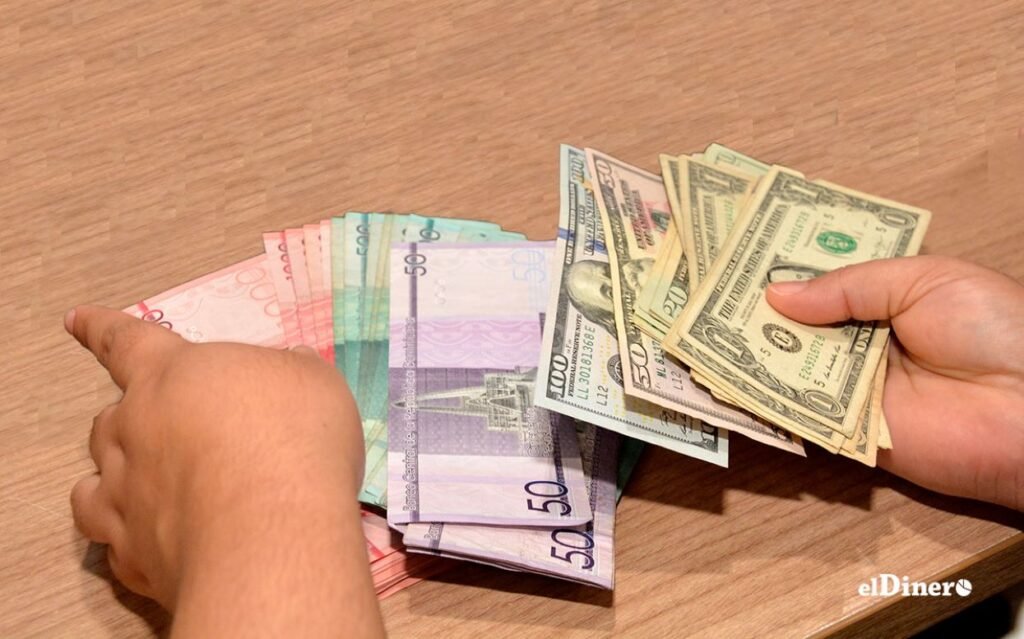
The Dominican peso has strengthened by more than 7% against the U.S. dollar so far this year, with the currency currently trading at around RD$60 per dollar for retail sales. The difference between the rates offered by financial institutions to buy and sell dollars, however, is considerably wider than the spread published by the Central Bank.
As of Friday, the Central Bank of the Dominican Republic listed the dollar at RD$58.83 for buying and RD$59.13 for selling, representing a spread of just RD$0.30. The official margin has historically remained below 50 centavos, according to the information provided.
Bank Dollar Spreads Are Significantly Wider
Commercial banks and savings and loan associations are offering to buy dollars from customers at rates ranging from approximately RD$56.00 to RD$56.40, while selling the currency at between RD$59.90 and RD$60.05.
That creates a difference of roughly RD$3.50 to RD$4.00 between the buying and selling rates used by financial institutions. The spread is substantially wider than the 30-cent difference reflected in the Central Bank’s published reference rates.
The gap is particularly relevant for consumers and businesses that regularly exchange dollars into pesos or need to purchase U.S. currency. The rate at which a financial institution buys dollars determines how many pesos customers receive, while the selling rate determines the cost when customers need to acquire dollars.
What a Smaller Spread Would Mean
The current spread contrasts with a period when differences of around RD$1.00 were more common, according to the information provided. Using the current buying rates as a reference, a one-peso spread would result in a significantly different retail exchange rate if selling prices remained around RD$60 per dollar.
For example, if a bank continued selling dollars at approximately RD$60.00 but applied a RD$1.00 spread, its buying rate would be around RD$59.00. Under the rates cited, some institutions are instead buying dollars for approximately RD$56.00 to RD$56.40.
That difference directly affects customers exchanging U.S. dollars for Dominican pesos. A person selling dollars to a bank receives fewer pesos when the institution’s buying rate is lower, even when the broader currency market reflects a stronger Dominican peso.
Peso Appreciation Changes the Exchange Rate Landscape
The peso’s appreciation has changed the exchange-rate environment for the Dominican economy during the year. A stronger peso generally means that fewer pesos are required to purchase the same amount of U.S. currency, although the final rate available to consumers depends on the financial institution and the transaction.
The contrast between the Central Bank’s published rate and retail bank quotations also shows why consumers should distinguish between an official reference rate and the rates actually offered by financial institutions. The latter incorporate the institutions’ buying and selling spreads and can therefore differ substantially from the Central Bank figures.
With the dollar selling for about RD$60 at major financial institutions, the size of those spreads remains an important factor for households and businesses that exchange currencies, particularly those receiving dollar income or making payments in U.S. currency.