 22°C
22°C

Dominican Republic Steel Industry Tax Revenue Falls 3.4%
Tax contributions from the Dominican Republic’s basic iron and steel industries fell 3.4% to RD$4.82 billion in 2025, although the sector maintained average annual growth over the 2021–2025 period.


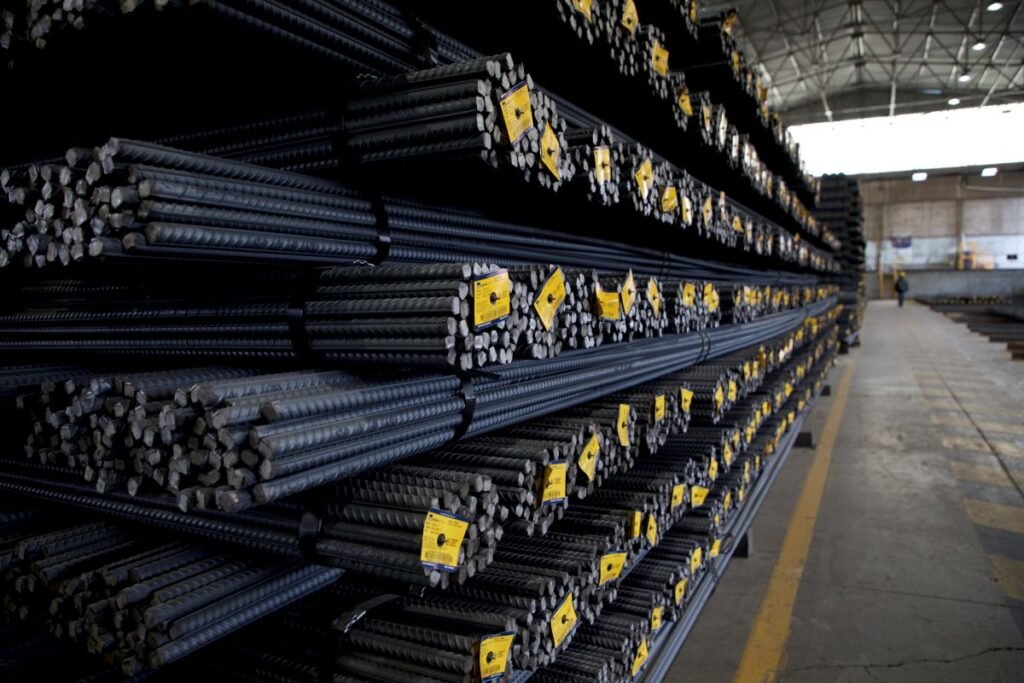
Tax contributions from the Dominican Republic steel industry reached RD$4.82 billion in 2025, a 3.4% decline from the RD$4.99 billion collected in 2024, according to data from the Directorate General of Customs (DGA).
The decline came after two consecutive years in which fiscal contributions from the activity were substantially higher. Collections reached RD$6.24 billion in 2022 and RD$5.66 billion in 2023, leaving the 2025 figure below both levels.
Despite the recent reduction, the sector recorded average annual growth of 6.6% between 2021 and 2025, with tax contributions increasing from RD$3.74 billion at the beginning of the period to more than RD$4.8 billion last year. Over the five-year period, the activity accounted on average for 3.0% of tax revenue generated by manufacturing.
Basic Steel Manufacturing Dominates Tax Contributions
The largest share of fiscal contributions came from the activity classified as manufacturing of basic iron and steel products not elsewhere classified, which represented 96.2% of the sector’s total contributions in 2025.
It was followed by steel foundries producing ingots or steel slabs, which accounted for 2.1%, while welded-tube manufacturing represented another 1.3%.
The concentration reflects the weight of basic iron and steel-product manufacturing within the sector’s tax base. According to the DGA data, the same activity was the main factor behind the 66.9% increase in sector tax contributions recorded in 2022.
Fiscal contributions subsequently declined 11.7% in 2024, with the DGA attributing that reduction to lower tax revenue generated by the basic iron and steel-products manufacturing activity.
Large Companies Provide Most of the Tax Revenue
The distribution of contributions by company size shows a high concentration among large businesses. These companies generated 96.4% of the sector’s fiscal contributions in 2025, while micro, small and medium-sized enterprises accounted for 3.5%.
The composition of tax revenue collected between 2021 and 2025 was also concentrated among a small number of tax categories. The Tax on the Transfer of Industrialized Goods and Services (ITBIS) represented 66.8% of the total, followed by corporate income tax at 24.4% and payroll income tax at 4.3%.
The figures underline the importance of the steel and iron industry to government revenue, particularly through large industrial companies and consumption-related taxation. They also show that changes in production and sales within the sector can have a measurable effect on fiscal collections.
Metal Products Expanded in 2025
The decline in tax contributions did not coincide with a contraction across all metal-related manufacturing. The manufacturing of metal products recorded year-over-year growth in 2025, driven by higher production of structural metal products, reinforcing bars and other basic metal products.
Data from the Central Bank of the Dominican Republic also show that metal-product manufacturing was among the manufacturing activities supporting economic activity during 2025. In its January-September report, the central bank reported a 15.7% year-over-year increase in the real value added of metal-product manufacturing, driven by structural metal products, reinforcing bars and other basic metal products. :contentReference[oaicite:0]{index=0}
The performance of the sector is relevant to construction and other industrial activities that depend on steel and metal products. Steel demand in the Dominican economy is closely connected to construction, infrastructure and manufacturing, making production trends an indicator of activity in several downstream sectors.
Steel Production and Consumption Show Mixed Results
Figures cited from the Latin American Steel Association (Alacero) indicate that Dominican production of rolled steel products reached 802.5 metric tons in 2025, an increase of 2.1% from the previous year.
Apparent steel consumption, however, stood at 1,256.5 metric tons, down 0.7% year over year. The difference between domestic production and apparent consumption indicates the continuing role of external supply in meeting demand for steel products in the Dominican market.
The broader regional steel industry also remains significant for the Dominican Republic. Alacero identifies the Dominican Steel Association (ADOACERO) as the country’s industry association within its regional network, alongside companies operating in the local steel market. :contentReference[oaicite:1]{index=1}
Global Steel Market Expected to Grow Gradually
The Dominican industry’s performance is taking place within a global market expected to expand at a moderate pace. A 2026 report by MarketsandMarkets projects that the worldwide iron and steel market will increase from approximately US$1.09 trillion in 2026 to US$1.16 trillion by 2031, equivalent to a compound annual growth rate of about 1.2%.
For the Dominican Republic, the combination of industrial production, domestic steel consumption and fiscal collections provides several measures of the sector’s performance. While tax revenue declined in 2025 from the previous year, the five-year trend remained positive and metal-product manufacturing recorded stronger activity during the year.
The next set of fiscal and production figures will help determine whether the 2025 decline in tax contributions represents a temporary adjustment or the beginning of a longer period of moderation in the sector.