 23°C
23°C

Dominican Republic Named in U.S. Transshipment Report
The Dominican Republic has been identified by the United States as one of 40 countries considered potential transit points for Chinese goods entering the U.S. market while avoiding tariffs.


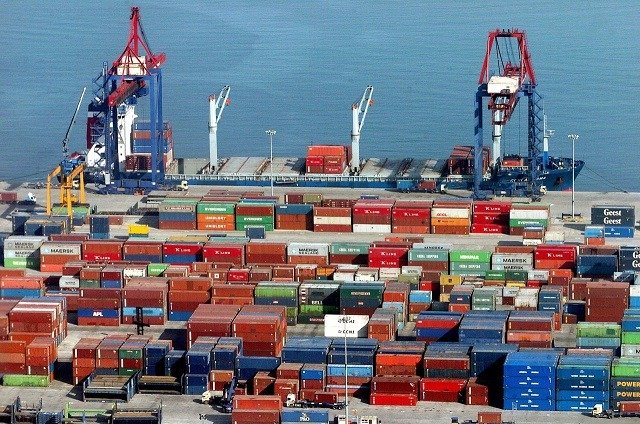
The Dominican Republic has been included in a new U.S. government report identifying 40 countries and territories that Washington considers potential points for the transshipment of Chinese goods into the American market. The report focuses on practices that can disguise the true origin of merchandise and reduce the tariffs that would otherwise apply to Chinese products.
Published by the White House, the document, titled “The Great Transshipment Scam,” describes a network in which goods manufactured in China can be routed through third countries before reaching the United States. The practices cited include repackaging, relabeling, limited processing, invoicing changes and false declarations of origin.
Dominican Republic Included Among Smaller Markets
The report does not place all of the countries on the same scale. The Dominican Republic is listed among economies considered to have lower volumes of merchandise moving through these channels, while larger trading hubs such as Mexico, India and Vietnam are highlighted in connection with substantial transshipment flows.
Washington says third-country markets can become attractive for exporters seeking to circumvent tariffs because of factors such as competitive labor costs, access to ports and warehouses, assembly capacity and preferential access to the U.S. market. The report also points to differences in customs oversight and rules governing operations in free-trade zones.
For the Dominican Republic, the designation places greater attention on the country’s role within regional supply chains and its trade relationship with the United States. The country has an established export sector and extensive commercial links with the U.S. market, making accurate origin declarations important for companies involved in international trade.
U.S. Estimates Billions in Potential Tariff Losses
The White House estimates that approximately $67 billion in goods destined for the United States were transshipped from China through Mexico, India and Vietnam during 2025. It estimates that the activity could have resulted in roughly $28 billion in foregone tariff revenue.
The report also cites a broader estimate placing the potential annual exposure to illegally transshipped merchandise at as much as $303 billion. These figures refer to the wider international problem rather than to trade flows involving the Dominican Republic specifically.
The U.S. government argues that transshipment can undermine its tariff policy by allowing merchandise subject to higher duties when imported directly from China to enter through another country under a different declared origin. Washington also says the practice can disadvantage American manufacturers and workers by reducing the effective cost of competing imports.
Greater Scrutiny of Global Supply Chains
The report reflects a broader U.S. effort to examine how goods move through increasingly complex international supply chains. Customs authorities are seeking to identify discrepancies between a product’s declared origin and the actual production, processing and logistics involved before it reaches the American market.
For Dominican exporters and companies operating in free zones, increased scrutiny could make documentation of origin and production processes more important when goods are ultimately destined for the United States. The report, however, does not state that Dominican companies or the Dominican government have been found to be participating in illegal transshipment.
The inclusion of the Dominican Republic therefore represents a warning about potential vulnerabilities within international trade routes rather than a specific allegation against the country’s exporters. As Washington increases enforcement of tariff rules, businesses involved in manufacturing, assembly, logistics and re-exporting may face closer examination of how merchandise acquires its declared country of origin.