 23°C
23°C

Energy Regulations in the Dominican Republic: Laws, Permits and Business Requirements
The Dominican Republic's energy sector is governed by a framework of electricity laws, regulatory institutions, concession procedures, environmental requirements and technical standards. For investors, developers and energy companies, understanding these rules is essential to building power plants, developing renewable energy projects, connecting to the electricity grid and selling electricity legally. This guide explains the principal legislation, the responsibilities of key authorities, the permits businesses may need and the compliance obligations that apply to different energy activities.


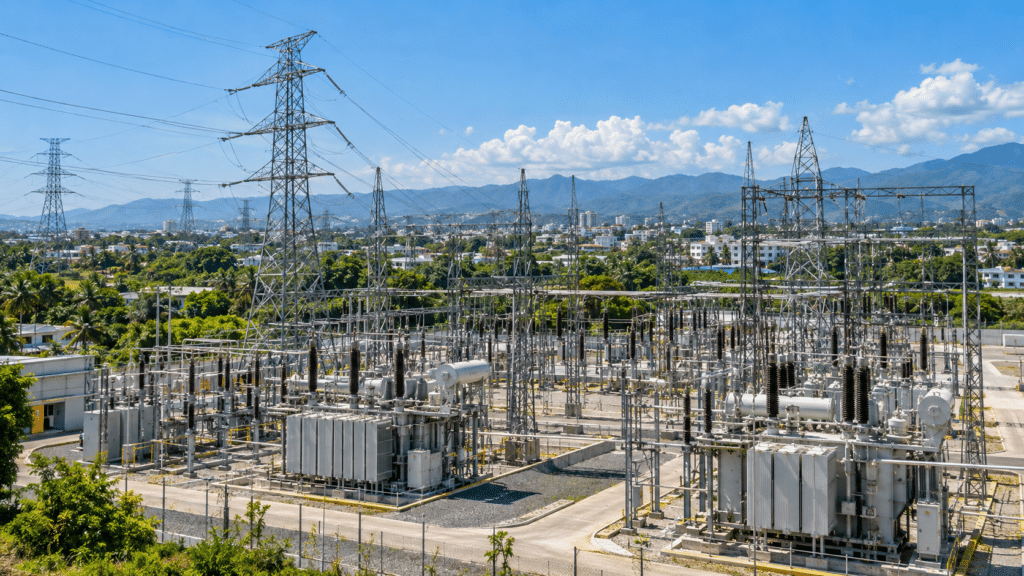
The Dominican Republic offers opportunities for companies involved in electricity generation, renewable energy, energy infrastructure and related services. However, entering the market requires more than identifying a suitable site or securing financing. Businesses must understand which laws govern their activities, which public authorities oversee their projects and which approvals are necessary before construction, grid connection and commercial operation.
The country’s electricity framework combines general legislation, implementing regulations, administrative resolutions and technical requirements. The principal statutes include General Electricity Law No. 125-01, Law No. 186-07, which amended that legislation, Renewable Energy Incentives Law No. 57-07 and Law No. 100-13, which established the Ministry of Energy and Mines. The requirements applicable to an individual project depend on its technology, installed capacity, connection arrangements and intended commercial use.
Companies should also distinguish between electricity-sector authorizations, environmental approvals and grid interconnection permissions. These address different legal and technical issues and may need to be obtained separately. A concession does not automatically establish that a proposed connection is feasible, that environmental requirements have been satisfied or that a company can sell electricity under any commercial arrangement it chooses.
1. Overview of the Dominican Republic’s Energy Regulatory Framework
The Dominican Republic regulates electricity generation, transmission, distribution and commercialization through a combination of statutory rules and specialized public institutions. The framework establishes the conditions under which companies may participate in the electricity market, develop generating facilities, use electricity networks and enter into commercial arrangements involving electricity.
Law No. 125-01 provides the central legal foundation for the electricity subsector. Its implementing regulations establish additional rules for applying the law, while subsequent amendments and administrative decisions refine the framework. Renewable energy projects are also subject to Law No. 57-07 and its implementing regulations when their activities fall within the scope of that special regime.
The distinction between different energy activities is important. A company developing a utility-scale solar farm may face concession, environmental and grid connection requirements. An industrial business installing rooftop solar equipment for its own consumption may follow a different authorization process. A company seeking to distribute electricity or operate a regulated network must assess the legal requirements applicable to that specific activity.
The principal regulatory areas include:
- Electricity generation: Authorization, construction and operation of power plants using conventional or renewable energy sources.
- Transmission and distribution: Operation of electricity networks, access to infrastructure and compliance with applicable technical and service requirements.
- Electricity commercialization: Market participation, supply contracts, metering and the commercial rules governing electricity transactions.
- Renewable energy: Special procedures and potential incentives for qualifying projects under Law No. 57-07.
- Environmental protection: Assessment and authorization of projects with potential environmental impacts.
- Operational compliance: Technical standards, interconnection conditions, reporting requirements and obligations attached to permits and concessions.
Businesses should assess these areas together rather than treating them as independent stages. For example, a renewable energy project may qualify for consideration under an incentive regime but still need to satisfy the applicable concession, environmental and grid connection requirements before proceeding.
2. Main Laws Governing the Energy Sector
General Electricity Law No. 125-01
General Electricity Law No. 125-01 is the principal statute governing the Dominican electricity subsector. It establishes the institutional and legal framework for electricity-related activities, including generation, transmission, distribution and commercialization. It also addresses concessions and permits, the operation of electricity services and the responsibilities of the institutions involved in regulating the market.
The law is particularly relevant to companies planning to construct or operate power plants, develop electricity infrastructure or participate in electricity supply arrangements. Its provisions must be read alongside the implementing regulations and subsequent amendments to determine the requirements applicable to a particular activity.
Article-specific obligations should be checked against the applicable legal text rather than inferred from a general description of the market. The Superintendency of Electricity publishes the law and related legislation through its official laws and regulations portal.
Law No. 186-07: Amendments to the General Electricity Law
Law No. 186-07 amended Law No. 125-01 and forms part of the current legal framework that energy businesses must consider. Its provisions should be reviewed together with the original law, applicable implementing regulations and subsequent administrative decisions.
For investors and operators, the practical implication is that an assessment based solely on the original 2001 statute may be incomplete. Legal due diligence should identify the applicable amended provisions and determine whether later rules or decisions affect the proposed project, commercial arrangement or operating activity.
Law No. 100-13: Ministry of Energy and Mines
Law No. 100-13 established the Ministry of Energy and Mines (Ministerio de Energía y Minas, or MEM) as the government institution responsible for formulating and administering national energy and mining policy within its statutory mandate.
The ministry provides the broader policy and institutional framework for energy development. Its role should be distinguished from that of the specialized electricity regulator and the National Energy Commission, which has specific responsibilities involving energy planning, concessions and renewable energy procedures.
Companies seeking to understand government policy, energy-sector priorities and the institutional responsibilities of the ministry can consult its official legislation portal.
Law No. 57-07: Renewable Energy Incentives
Law No. 57-07 establishes a special framework for promoting the development of renewable energy sources and related investment regimes. It is relevant to qualifying projects involving technologies such as solar photovoltaic and wind generation, as well as other renewable energy activities covered by the legislation.
The law provides the legal basis for incentives that may be available to eligible investments. However, a project’s renewable status does not automatically guarantee every tax exemption or other benefit contemplated by the framework. Eligibility depends on the applicable legal conditions, the type of investment and compliance with the relevant administrative procedures.
Renewable energy developers must therefore evaluate the incentive regime alongside the requirements for concessions, environmental authorization, grid interconnection and commercial operation. The official legislation and procedural guidance are available through the National Energy Commission.
Implementing Regulations and Administrative Resolutions
Statutes establish the general legal framework, but implementing regulations and administrative decisions provide important details about how requirements are applied. Decree No. 555-02 approved the implementing regulations for Law No. 125-01, and subsequent decrees amended those regulations. Decree No. 202-08 contains the implementing regulations for Law No. 57-07.
Administrative procedures can also change. On June 3, 2026, the National Energy Commission announced the approval of updated procedural manuals for concession applications involving solar photovoltaic and wind generation projects. Formalized through Resolution No. CNE-AD-006-2026, the manuals address legal, technical and financial documentation across the provisional and definitive concession stages and the process for accessing the special incentive regime.
Developers should consult the current legislation and applicable procedural manuals before submitting an application. A checklist prepared for another technology or an earlier version of the rules may omit requirements relevant to the proposed project.
3. Key Institutions Responsible for Energy Regulation
Several institutions have distinct responsibilities within the Dominican energy sector. Identifying the authority responsible for each decision helps businesses direct applications correctly and avoid confusing policy oversight, regulatory supervision, concessions, environmental approvals and network operations.
Ministry of Energy and Mines (MEM)
The MEM is responsible for national energy policy within its statutory mandate. Its functions include policy formulation and coordination in areas of energy development and infrastructure. For businesses, the ministry is an important source of information about the government’s policy framework and the institutional structure of the sector.
Its policy responsibilities should not be confused with every operational approval required for an electricity project. Depending on the proposed activity, an applicant may also need to deal with the National Energy Commission, the Superintendency of Electricity, an environmental authority or the relevant network operator.
National Energy Commission (CNE)
The National Energy Commission (Comisión Nacional de Energía, or CNE) plays a central role in energy planning and in the procedures applicable to qualifying generation projects. Its responsibilities include handling provisional concession applications, evaluating matters associated with definitive concessions and administering procedures related to renewable energy incentives within its legal authority.
The CNE is particularly relevant to developers preparing solar photovoltaic and wind projects under Law No. 57-07. Applicants should consult the current procedures for the relevant technology and authorization stage, including the supporting legal, technical and financial documentation.
The commission also publishes information about procedures for renewable self-generation. The requirements applicable to a self-generation installation should be checked separately from those governing a utility-scale project intended to sell electricity to the market.
Superintendency of Electricity (SIE)
The Superintendency of Electricity (Superintendencia de Electricidad, or SIE) is the specialized regulator for the electricity subsector. Its framework includes the applicable electricity laws, implementing regulations and administrative decisions governing regulated activities.
Businesses should consult the SIE when assessing regulatory requirements affecting electricity services, applicable technical and economic rules, and the obligations relevant to market participants. The precise role of the regulator depends on the activity and the legal provisions involved.
The SIE maintains an official repository of electricity laws and regulations, including Law No. 125-01 and Law No. 186-07.
Dominican Electricity Transmission Company (ETED)
The Dominican Electricity Transmission Company (Empresa de Transmisión Eléctrica Dominicana, or ETED) is the principal institution to consult for matters involving the national transmission network. Its relevance to a generation project depends on the proposed connection point and the technical characteristics of the facility.
Developers should assess transmission-level connection requirements early in the project planning process. A concession or other development authorization does not, by itself, establish that the transmission network can accommodate the proposed output or that a particular connection arrangement will be approved.
Electricity Distribution Companies
Distribution companies operate within their respective service areas and are relevant to projects connecting to distribution networks. Businesses developing smaller generation facilities, including certain commercial and industrial solar installations, may need to coordinate with the distribution company responsible for the proposed point of connection.
The applicable process depends on the connection voltage, installation configuration and intended use of the electricity. Companies should confirm the technical requirements, metering arrangements and commercial conditions that apply to their specific installation rather than assuming that the rules for a transmission-connected power plant will also govern a rooftop system.
Environmental Authorities
Environmental authorities assess the potential impacts of projects and determine the permits or authorizations required under the applicable environmental framework. Energy projects may involve land clearing, construction, access roads, transmission infrastructure, waste generation, emissions or other impacts that require assessment.
Environmental approval is distinct from electricity-sector authorization. A project may need to satisfy both regimes, and the scope of environmental requirements depends on its location, technology, infrastructure and expected impacts.