 25°C
25°C

Effects of Climate Change in the Dominican Republic: A Complete Guide
Climate change is reshaping the Dominican Republic in ways that affect its environment, economy, infrastructure, and daily life. As one of the Caribbean's largest island nations, the country faces increasing risks from rising temperatures, changing rainfall patterns, stronger tropical storms, coastal erosion, and pressure on natural ecosystems. Understanding these changes is essential for residents, visitors, investors, and policymakers seeking to prepare for a more resilient future.


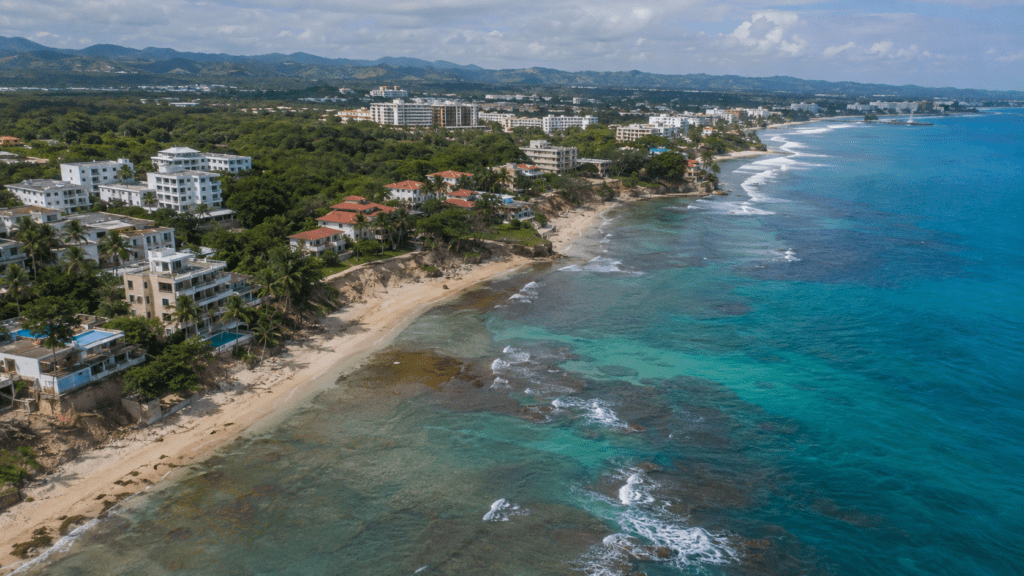
The Dominican Republic is widely recognized as one of the Caribbean countries most exposed to climate-related risks. Although it contributes only a small share of global greenhouse gas emissions, its geography, long coastline, dependence on tourism and agriculture, and exposure to tropical weather make it particularly vulnerable to a changing climate.
Climate change is not a distant concern. It is already influencing weather patterns, water availability, coastal ecosystems, public health, and economic development across the country. While many of these challenges are shared by other Caribbean nations, the Dominican Republic’s diverse landscapes—from mountain forests to coral reefs—mean that climate impacts vary significantly by region.
Why the Dominican Republic Is Especially Vulnerable
The Dominican Republic occupies the eastern two-thirds of the island of Hispaniola in the Caribbean Sea. Its location places it directly within the Atlantic hurricane basin, while its thousands of kilometers of coastline expose communities, infrastructure, and tourist destinations to coastal hazards.
Several factors increase the country’s climate vulnerability, including:
- Long coastlines exposed to sea level rise and storm surge.
- A tropical climate influenced by hurricanes and heavy rainfall.
- Economic dependence on tourism and agriculture.
- Important freshwater resources that are sensitive to changing rainfall patterns.
- High biodiversity, including coral reefs, mangroves, and mountain cloud forests.
National and international assessments identify adaptation as a priority because climate risks affect both ecosystems and key economic sectors.
Rising Temperatures
Average temperatures across the Dominican Republic have increased over recent decades, consistent with global warming trends observed throughout the Caribbean.
Higher temperatures contribute to:
- More frequent and intense heat waves.
- Greater evaporation from reservoirs and soils.
- Increased energy demand for cooling.
- Reduced labor productivity during periods of extreme heat.
- Additional stress on crops, livestock, and natural ecosystems.
Mountain regions that traditionally experienced cooler conditions are also warming, affecting biodiversity and water resources that originate in high-elevation forests. Climate projections indicate that additional warming is expected throughout the coming decades.
Changing Rainfall Patterns
Climate change affects not only how much rain falls but also when and how it falls.
Many areas are expected to experience greater rainfall variability, including longer dry periods interrupted by more intense precipitation events. This creates several challenges:
- Greater drought risk during dry seasons.
- Flash flooding after heavy rainfall.
- Reduced groundwater recharge.
- Increased soil erosion.
- Higher pressure on reservoirs and irrigation systems.
Water management has therefore become an increasingly important component of climate adaptation planning.
More Intense Tropical Storms and Hurricanes
The Dominican Republic has always been exposed to tropical cyclones. Climate change does not necessarily mean that more hurricanes will form every year, but scientific assessments indicate that warmer ocean temperatures can increase the intensity of the strongest storms and produce heavier rainfall.
Major tropical storms can cause:
- River flooding.
- Landslides in mountainous areas.
- Damage to roads, bridges, and utilities.
- Agricultural losses.
- Disruptions to tourism and transportation.
Because much of the country’s population and tourism infrastructure are located near the coast, stronger storms pose growing economic and social risks.
Sea Level Rise and Coastal Erosion
Sea level rise represents one of the most significant long-term climate threats facing the Dominican Republic.
Even relatively small increases in average sea level can amplify the effects of:
- Storm surge.
- Beach erosion.
- Saltwater intrusion into freshwater aquifers.
- Flooding of low-lying coastal communities.
Popular tourism destinations depend on healthy beaches and coastal ecosystems. Continued erosion may require more extensive coastal protection measures and careful land-use planning.
Coral Reefs Under Pressure
The Dominican Republic’s coral reefs provide habitat for marine biodiversity while also supporting fisheries and protecting coastlines from wave energy.
Climate change increases pressure on reefs through:
- Warmer sea temperatures.
- Ocean acidification.
- More frequent coral bleaching events.
- Damage from stronger storms.
Because coral reefs help reduce wave energy before it reaches shore, their degradation can also increase coastal vulnerability.
Mangroves and Coastal Wetlands
Mangrove forests are among the country’s most valuable natural defenses against coastal flooding.
These ecosystems:
- Reduce storm surge impacts.
- Trap sediment.
- Store significant amounts of carbon.
- Provide nursery habitat for many fish species.
- Support biodiversity.
However, sea level rise, coastal development, pollution, and stronger storms increase pressure on these important ecosystems.
Water Resources
The Dominican Republic depends heavily on rivers and reservoirs for drinking water, irrigation, hydroelectric power generation, and industry.
Climate change may affect water availability through a combination of:
- Higher evaporation rates.
- More irregular rainfall.
- Longer drought periods.
- Greater competition among water users.
Mountain forests play a particularly important role because they help regulate streamflow and protect watersheds that supply much of the country’s freshwater.