 25°C
25°C

Best Time to Visit the Dominican Republic: A Season-by-Season Guide
The Dominican Republic offers warm weather year-round, making it an attractive Caribbean destination in every season. While the ideal time to visit depends on your travel priorities, understanding the country's weather patterns, tourism seasons, and annual events can help you plan the perfect trip.


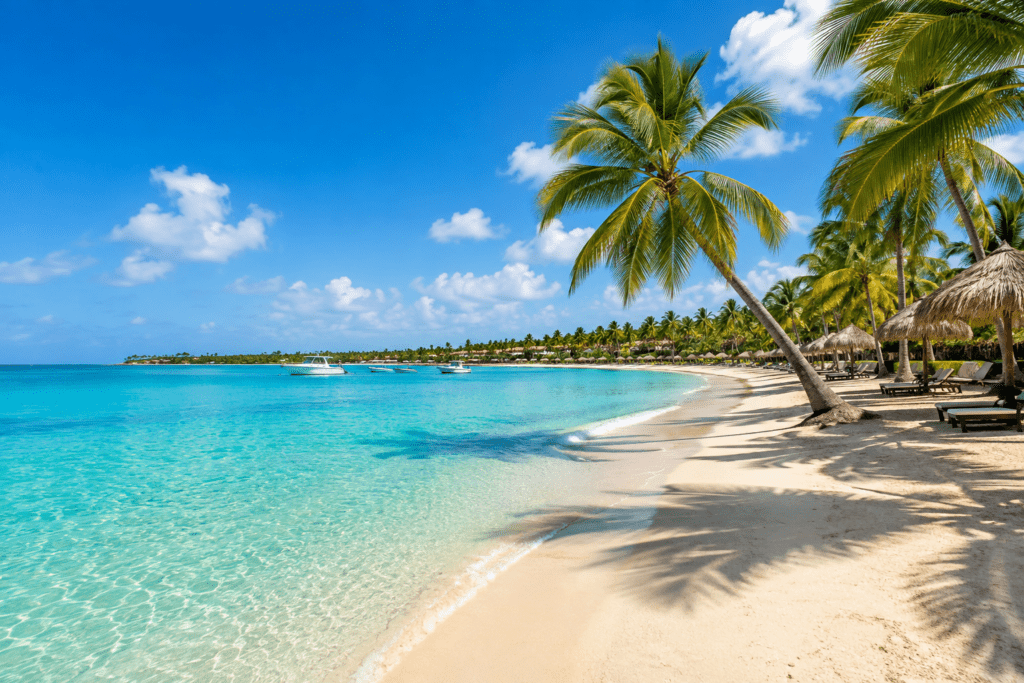
The Dominican Republic enjoys a tropical climate that keeps temperatures warm throughout the year, making it one of the Caribbean’s most accessible destinations regardless of the season. Visitors can expect daytime temperatures along the coast to range between 80°F and 90°F (27°C to 32°C), while mountain destinations such as Jarabacoa and Constanza offer noticeably cooler conditions, especially after sunset.
Rather than four distinct seasons, travelers should think of the year as two main weather periods: a relatively dry season from December through April and a wetter season from May through November. Rain during the wetter months often arrives as short afternoon showers instead of prolonged storms, allowing many outdoor activities to continue with minimal disruption. Long-term climate changes in the Dominican Republic may also influence weather patterns and environmental conditions over time, adding another factor to consider when planning a trip.
December to April: The Best Overall Time to Visit
For many travelers, the dry season offers the most reliable combination of sunshine, comfortable temperatures, and lower humidity. These conditions make it an excellent period for beach vacations, sightseeing, snorkeling, diving, and exploring the country’s natural attractions.
Popular destinations such as Punta Cana, Bávaro, Bayahibe, Las Terrenas, and Cabarete typically experience pleasant weather during these months, attracting visitors from North America and Europe looking to escape colder winters.
The popularity of this period also means higher hotel rates, increased airfare, and greater demand for accommodations. Travelers planning a visit between December and April should consider booking flights and hotels well in advance.
May to June: Great Weather at Better Prices
The late spring shoulder season offers an attractive balance between favorable weather and lower travel costs. Temperatures become warmer and humidity rises slightly, while brief afternoon showers become more common.
Many visitors consider May and June among the best-value months to visit because hotels frequently reduce their rates, tourist attractions are less crowded, and the Caribbean Sea remains warm for swimming and water sports.
July to August: Warm Summer Getaways
Summer is characterized by hotter temperatures and increased humidity, but it also coincides with vacation periods for both international and domestic travelers. Beaches remain a major attraction, although visitors should expect warmer afternoons, occasional thunderstorms, and higher occupancy at many resorts.
Planning outdoor activities early in the morning or later in the afternoon can make sightseeing and excursions more comfortable during the hottest months.
September to November: Traveling During Hurricane Season
The Atlantic hurricane season officially extends from June through November, with the greatest chance of tropical systems generally occurring between August and October.
Although many days remain sunny and suitable for travel, visitors should be prepared for greater weather uncertainty. Our guide to What Hurricane Season Means for Travelers to the Dominican Republic explains what the season can mean for flights, excursions and travel planning
Best Seasons for Different Activities
Travelers focused on beach vacations will generally find the most reliable sunshine and calm sea conditions between December and April. Even during wetter months, rainfall often passes quickly, allowing beach activities to resume later in the day.
Nature enthusiasts can experience one of the Caribbean’s most remarkable wildlife events during the humpback whale migration. From mid-January through March, thousands of humpback whales gather in Samaná Bay to mate and give birth. Travelers planning their trip around the migration can find more details in our guide to When to See Humpback Whales in the Dominican Republic, with daily whale-watching excursions operating when weather conditions permit.
Those interested in hiking, waterfalls, canyoning, or climbing Pico Duarte, the highest mountain in the Caribbean, will typically enjoy the cooler temperatures found between December and March.
Surfers heading to the north coast, particularly Cabarete, usually encounter the strongest Atlantic swells from November through March, while beginners can often find favorable conditions during other parts of the year.
Festivals Worth Planning Around
Travelers looking to experience Dominican culture may wish to coordinate their visit with some of the country’s best-known celebrations.
February brings colorful Carnival parades to cities across the country, while Holy Week is one of the nation’s most significant religious observances and a period of increased domestic travel. In December, Christmas traditions, concerts, and seasonal festivities create a lively atmosphere throughout many towns and cities.
When to Find the Best Travel Deals
Visitors seeking lower prices often find the best value during the shoulder and low seasons, especially from May to early June and again between September and early November. Hotels, vacation rentals, and tour operators frequently offer discounts during these periods, although travelers should remain aware of seasonal weather conditions before booking.
Choosing the Right Time to Visit
The ideal travel period depends on what you want from your vacation. Travelers seeking consistently sunny beach weather will generally prefer December through April. Those hoping to reduce costs may benefit from visiting during the shoulder seasons, while wildlife enthusiasts, hikers, surfers, and cultural travelers can plan around whale watching, Carnival, or other seasonal highlights.
With warm temperatures throughout the year and diverse experiences available in every season, the Dominican Republic remains a destination that can accommodate a wide range of travel styles, budgets, and interests.