 25°C
25°C

Geologist Calls for Chavón and Maimón Dams to Secure Water Supply in Punta Cana for 50 Years
Dominican geologist Osiris de León is urging authorities to accelerate plans for two dams on the Chavón and Maimón rivers, warning that prolonged droughts, rapid tourism growth and excessive groundwater extraction are threatening water supplies in Higüey, Punta Cana, Bávaro, Verón and Cap Cana.


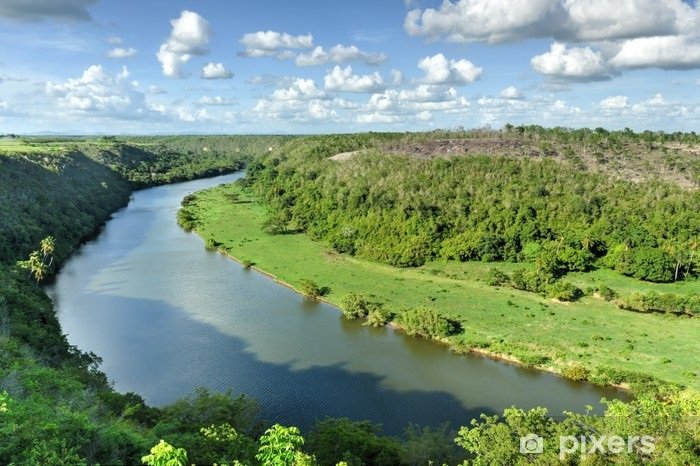
The Dominican Republic’s eastern province of La Altagracia faces growing pressure on its water resources, prompting geologist and hydrogeology specialist Osiris de León to call for the construction of dams on the Chavón and Maimón rivers as a long-term solution to supply shortages.
Speaking at a conference at the Museum of La Altagracia, De León argued that the two projects could secure water supplies for the region for the next 50 years while reducing dependence on groundwater reserves increasingly strained by tourism development and prolonged droughts.
Two proposed dams to serve eastern Dominican Republic
According to De León, the proposed Chavón River dam would supply water to Higüey, La Romana, Bayahíbe and San Rafael del Yuma. The Maimón River project, meanwhile, would serve communities and tourism developments in Higüey, Bávaro, Uvero Alto and La Vacama.
The geologist also believes the Maimón dam could help address flooding in coastal areas near La Vacama, where sand accumulation along the beach can obstruct the river’s natural discharge into the sea. He said rising water levels in these conditions contribute to flooding across the surrounding coastal region and can constrain hotel development.
These benefits remain projections associated with De León’s proposal. The completion of the projects would depend on technical studies, final designs, financing and the necessary public decisions.
Tourism growth increases pressure on groundwater
De León estimated that the eastern tourism region receives approximately 12 million visitors annually and has nearly 50,000 hotel rooms. Based on his calculation of about one cubic meter of water consumed per room each day, hotel demand would amount to roughly 50,000 cubic meters daily.
He warned that much of this water is extracted through wells tapping the coastal aquifer, a groundwater reserve that he says has suffered partial salinization and damage because of excessive pumping.
The specialist also pointed to climate change and increasingly prolonged, severe droughts as factors reducing water availability for both residents and the country’s leading tourism destinations.
In his assessment, the coastal aquifer can no longer sustain current levels of exploitation without additional measures. He therefore proposed restricting new groundwater wells and closing some of those with the highest extraction volumes while developing alternative sources of supply.
De León urges closer coordination with water authorities
The geologist called on provincial authorities in La Altagracia to hold weekly meetings with the National Institute of Drinking Water and Sewerage (INAPA) and the National Institute of Hydraulic Resources (INDRHI) to advance the designs and budgets for both dams.
He also argued that the projects could finance themselves through revenue generated by water services supplied to the regional hotel industry. That proposal would require detailed financial assessments and confirmation of the projects’ costs and expected revenues.
De León has studied major coastal aquifers in the Dominican Republic since the early 1980s, designed well fields for regional projects and participated in geological and geophysical studies for 30 of the country’s 36 dams, according to information presented at the conference.
His proposal comes as the eastern region continues to expand its tourism infrastructure, increasing the importance of securing reliable water supplies for communities and businesses. Whether the two dams can deliver the projected benefits will depend on the technical, environmental and financial feasibility of the projects and on decisions by the relevant authorities.