 25°C
25°C

Metro de Santo Domingo Guide: Everything You Need to Know
The Santo Domingo Metro is the backbone of public transportation in the Dominican Republic's capital, offering residents and visitors a fast, affordable, and reliable way to avoid the city's often-congested streets. Whether you are visiting Santo Domingo for a few days or planning a longer stay, understanding how the metro works can make traveling around the city significantly easier. This guide explains the system, how to use it, ticket options, routes, stations, connections, safety, and practical advice for international travelers.


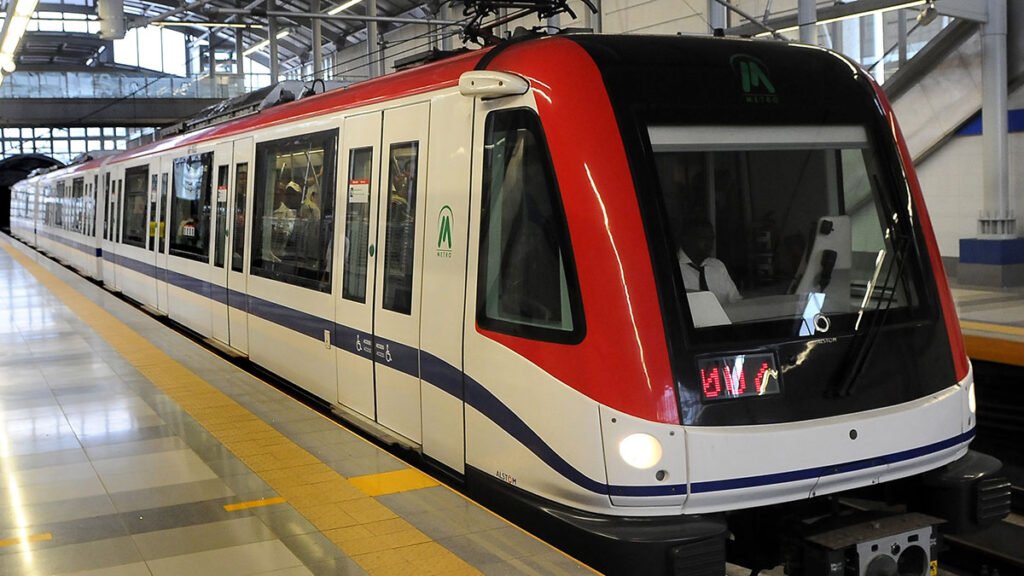
The Santo Domingo Metro is the first and only metro system in the Dominican Republic and one of the largest urban rail networks in the Caribbean. Since opening in 2009, it has transformed mobility across the capital by connecting major residential districts, commercial centers, government institutions, universities, and transportation hubs.
Designed to reduce road congestion and improve public transportation, the metro has become one of the most efficient ways to travel across Santo Domingo. It operates alongside the Santo Domingo Cable Car (Teleférico), public buses, and other transport services, creating an increasingly integrated urban transportation network.
What Is the Santo Domingo Metro?
The Santo Domingo Metro is an electric rapid transit system operated by the Dominican government’s Office for the Reorganization of Transportation (OPRET). Built to modern international standards, it provides an affordable alternative to road transport while helping reduce travel times across one of the Caribbean’s busiest metropolitan areas.
Unlike traditional commuter rail services, the metro is designed for frequent urban trips. Trains operate throughout the day with regular departures, making it suitable for commuting, sightseeing, shopping, or reaching business districts.
Why the Metro Is Important
Santo Domingo is home to several million residents, and traffic congestion is a daily challenge. During peak hours, journeys by car or taxi can take considerably longer than expected.
The metro offers several advantages:
- Predictable travel times.
- Affordable fares.
- Air-conditioned trains.
- Modern stations.
- Reduced exposure to road traffic.
- Easy transfers between major parts of the city.
For many visitors, the metro is the fastest way to reach popular neighborhoods while avoiding delays caused by heavy traffic.
Metro Lines
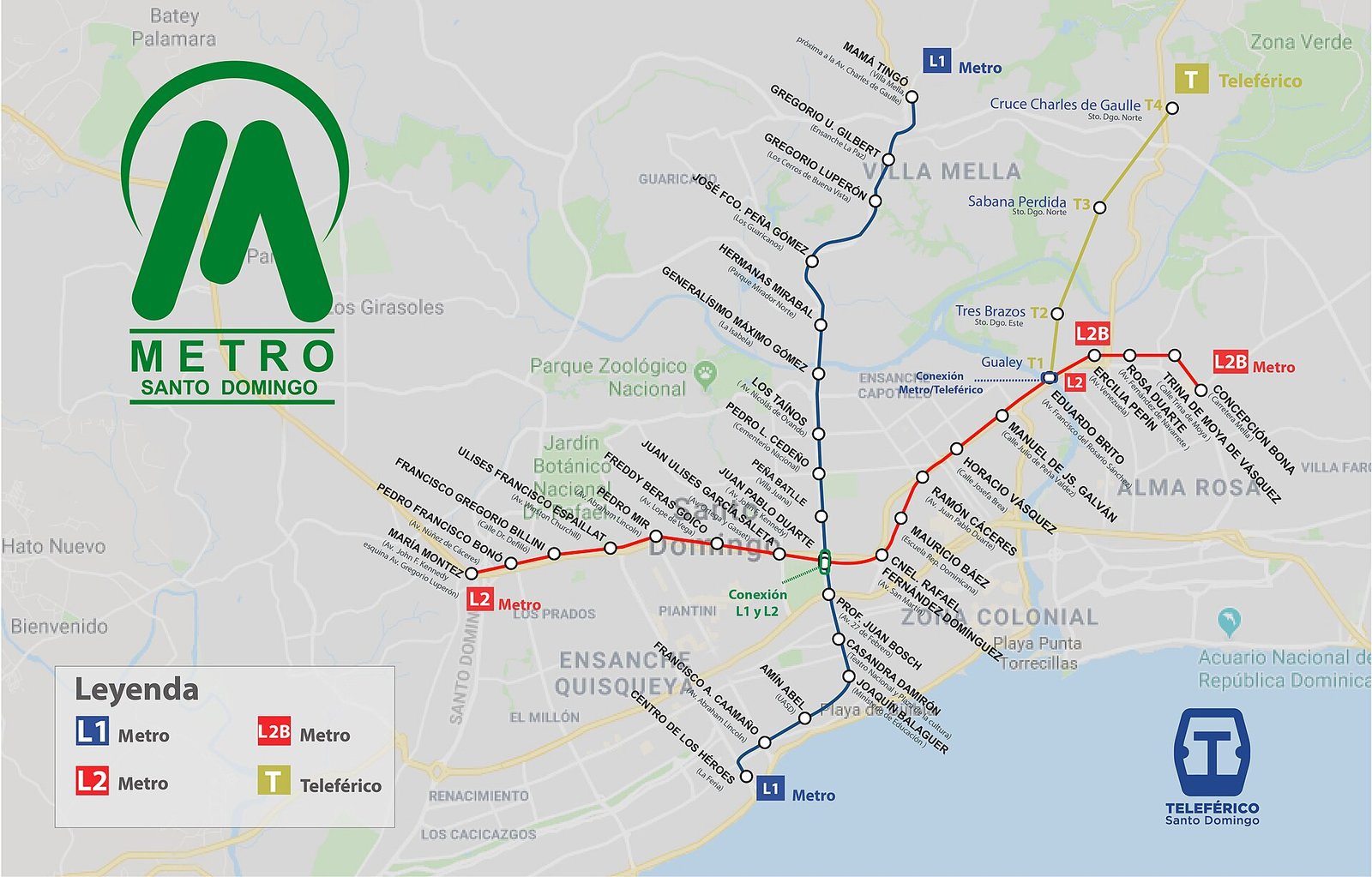
The Santo Domingo Metro currently consists of two operational lines that intersect at a central transfer station.
Line 1
Line 1 runs north to south, connecting Villa Mella with the government district at Centro de los Héroes. It serves densely populated residential neighborhoods as well as important employment, education, and administrative areas.
Major destinations along Line 1 include:
- Mamá Tingó
- Hermanas Mirabal
- Máximo Gómez
- Juan Pablo Duarte
- Joaquín Balaguer
- Centro de los Héroes
Many government offices, universities, and commercial districts are located close to stations on this line.
Line 2
Line 2 runs east to west, crossing much of Santo Domingo and connecting important residential neighborhoods with commercial areas.
Key stations include:
- Concepción Bona
- Eduardo Brito
- Juan Pablo Duarte
- Pedro Mir
- María Montez
This line provides convenient access to shopping centers, business districts, educational institutions, and entertainment venues.
The Main Transfer Station
The two metro lines intersect at Juan Pablo Duarte Station, the network’s principal interchange.
Passengers can transfer between Line 1 and Line 2 without leaving the paid area, making cross-city journeys straightforward.
This station is one of the busiest in the system and serves as the heart of Santo Domingo’s rapid transit network.
Metro Stations
The metro serves dozens of stations distributed across the capital. Most stations feature:
- Escalators or elevators.
- Ticket vending facilities.
- Security personnel.
- Electronic information displays.
- Platform signage.
- Accessibility features.
Stations are generally clean, well-maintained, and clearly marked in Spanish.
Fares and Tickets
The Santo Domingo Metro uses a flat-fare system, meaning passengers pay the same fare regardless of distance traveled.
A standard metro ride costs RD$20. Travelers can use either disposable single-use cards or rechargeable travel cards, with rechargeable cards offering greater convenience for frequent use. Multi-trip options are also available for regular riders.
Because the fare structure is simple, visitors do not need to calculate zones or distance-based pricing before boarding.
Operating Hours
The metro operates every day of the week.
- Monday to Friday: approximately 6:00 a.m. to 10:30 p.m.
- Saturday and Sunday: approximately 6:00 a.m. to 8:00 p.m.
Schedules may occasionally change during holidays, maintenance work, or special events, so checking the latest service information before traveling is advisable.
Who Uses the Metro?
The metro is used by a broad cross-section of Santo Domingo residents, including students, office workers, government employees, shoppers, and visitors.
Passenger numbers increase significantly during weekday commuting hours, while weekends generally offer a more relaxed travel experience.