 24°C


Dominican Doctors Threaten to Strike as CMD Leader Warns Government to Address Demands
The Dominican Medical Association (CMD) has reaffirmed a nationwide 24-hour doctors’ strike for Tuesday, October 13, as its president, Luis Alberto Peña Núñez, warns that he could expose damaging information about the government if authorities fail to address the medical sector’s demands. Emergency departments and critical care units will remain operational during the protest, which centers on compensation, staffing shortages, hospital security and outstanding agreements.


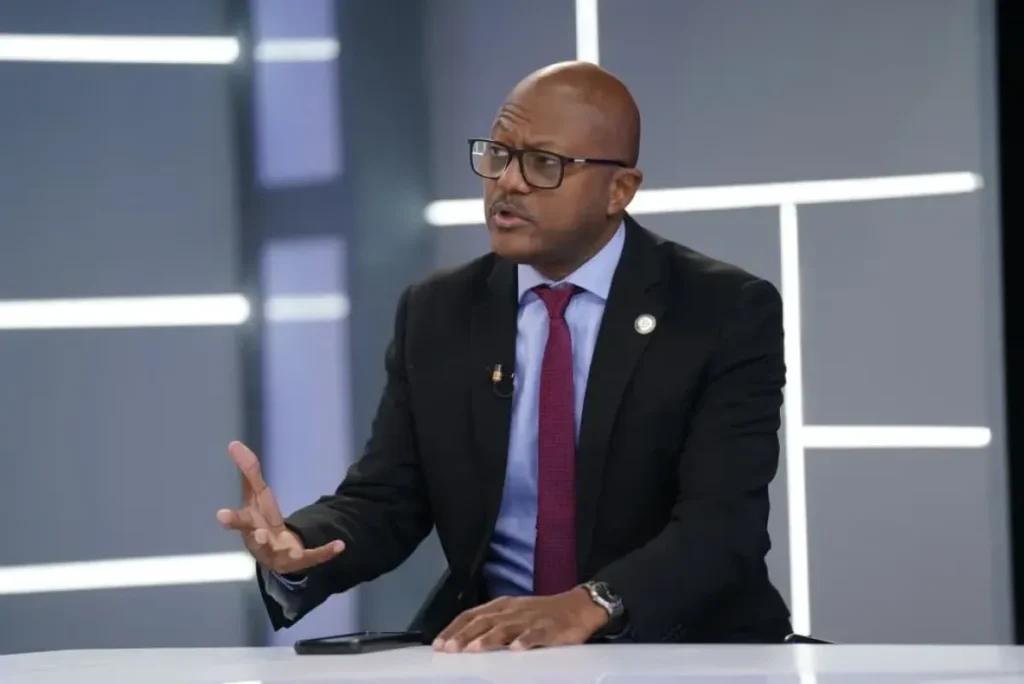
The Dominican Medical Association (CMD) is preparing to suspend non-emergency medical services nationwide for 24 hours on Tuesday, October 13, as its dispute with the government intensifies. Association president Dr. Luis Alberto Peña Núñez has warned that he could publicly reveal compromising information about the administration if officials continue to ignore the profession’s demands.
The organization has confirmed that emergency departments and critical care units will remain operational during the strike. The action follows unsuccessful efforts by the medical association to secure negotiations with government authorities, including a requested meeting with President Luis Abinader.
Doctors Cite Unresolved Compensation and Working Conditions
The CMD says its members face persistent problems involving compensation, staffing and working conditions throughout the Dominican Republic’s public healthcare system. The association argues that unresolved agreements and insufficient institutional support are affecting both medical professionals and the quality of care available to patients.
One of its principal demands is the implementation of seniority incentives for doctors with more than 15 years of service. The organization considers these payments an outstanding professional benefit and has called on authorities to provide a clear response regarding their implementation.
The association is also demanding higher compensation for in-person medical shifts. According to figures cited in the report, payments currently range from RD$600 to RD$1,000, depending on the circumstances. The CMD additionally seeks recognition of distance-related incentives for physicians working in provinces that qualify for the benefit, specifically naming Samaná and Santiago Rodríguez.
Hospital Security and Staffing Remain Key Concerns
Hospital security is another central issue in the dispute. The CMD has warned that some healthcare facilities lack sufficient entrance and security personnel after 6 p.m., creating potential risks for doctors, other healthcare workers and patients.
The association argues that hospitals must provide adequate protection for staff members carrying out their duties, particularly in facilities where security arrangements may be insufficient. It has called for corrective measures to improve safety throughout the public healthcare network.
Access to specialist training is also a concern. The CMD says more than 5,000 doctors compete each year for approximately 1,400 to 1,500 medical residency positions. The figures highlight the gap between the number of applicants seeking advanced medical training and the number of available places, according to the association.
CMD Says Attempts to Establish Dialogue Have Failed
The medical association maintains that it has exhausted institutional channels in an effort to resolve the dispute. It has proposed technical working groups involving the Ministry of Public Health, the National Health Service, the Ministry of Higher Education, Science and Technology, and other relevant institutions.
However, the CMD says these proposals have not produced the progress needed to settle its outstanding demands. The organization has also sought direct engagement with the presidency, arguing that high-level intervention could help resolve issues affecting physicians across the country.
Peña Núñez has linked his warning about potentially revealing damaging information to the government’s continued failure to respond. The reported threat adds a political dimension to a dispute that has primarily focused on professional benefits and healthcare working conditions. The specific information he might disclose has not been established in the reporting available.
What Patients Can Expect During the Strike
The planned walkout is scheduled to last 24 hours on Tuesday, October 13. Emergency care and critical care services are expected to continue, according to the CMD’s announcement, while other medical services may be disrupted during the stoppage.
Patients with scheduled consultations, diagnostic appointments or non-urgent procedures should contact their healthcare facilities to confirm whether their services will be affected. The precise impact may vary by facility and the services available during the protest.
The association says its action is intended to pressure authorities into addressing unresolved commitments rather than to harm patients. It maintains that better compensation, adequate staffing and improved hospital security are necessary to strengthen the country’s public healthcare services.
Government Response Remains Central to the Dispute
The next step will depend on whether government officials engage with the association and offer concrete responses to its demands. The CMD has reiterated its willingness to pursue dialogue but says the lack of progress has left it with few options beyond collective action.
As of October 12, the reports reviewed did not establish that a comprehensive agreement had been reached to avert the strike. The association’s warning that it could disclose further information about the government also remains separate from its specific demands for improved medical compensation and working conditions.
The planned stoppage will test whether the government and the medical profession can resume negotiations and agree on measures addressing the concerns of doctors while minimizing disruption to patients who depend on the public healthcare system.